Japan’s Hypersonic Weapons Development: US Support and Strategic Implications
In a significant move to bolster its defense capabilities, the US State Department has approved a $340 million Foreign Military Sales (FMS) deal to support Japan’s hypersonic weapons program. This collaboration marks a pivotal step in Japan’s efforts to develop advanced hypersonic technology, with far-reaching implications for regional security and global defense strategies.
US-Japan Collaboration on Hypersonic Technology
The FMS announcement includes the sale of unspecified equipment and services to support Japan’s Hyper Velocity Gliding Projectile (HVGP) program. This follows Japan’s second request for US assistance, building on an earlier 2025 request. The deal encompasses test preparation, range surveillance, logistics support, and safety reviews—critical components for advancing Japan’s hypersonic capabilities.
Key Elements of the FMS Deal
- Test preparation and transportation support
- Range surveillance and safety protocols
- Flight termination system reviews
- Logistical and program management assistance
Technical Breakdown of Japan’s Hypersonic Systems
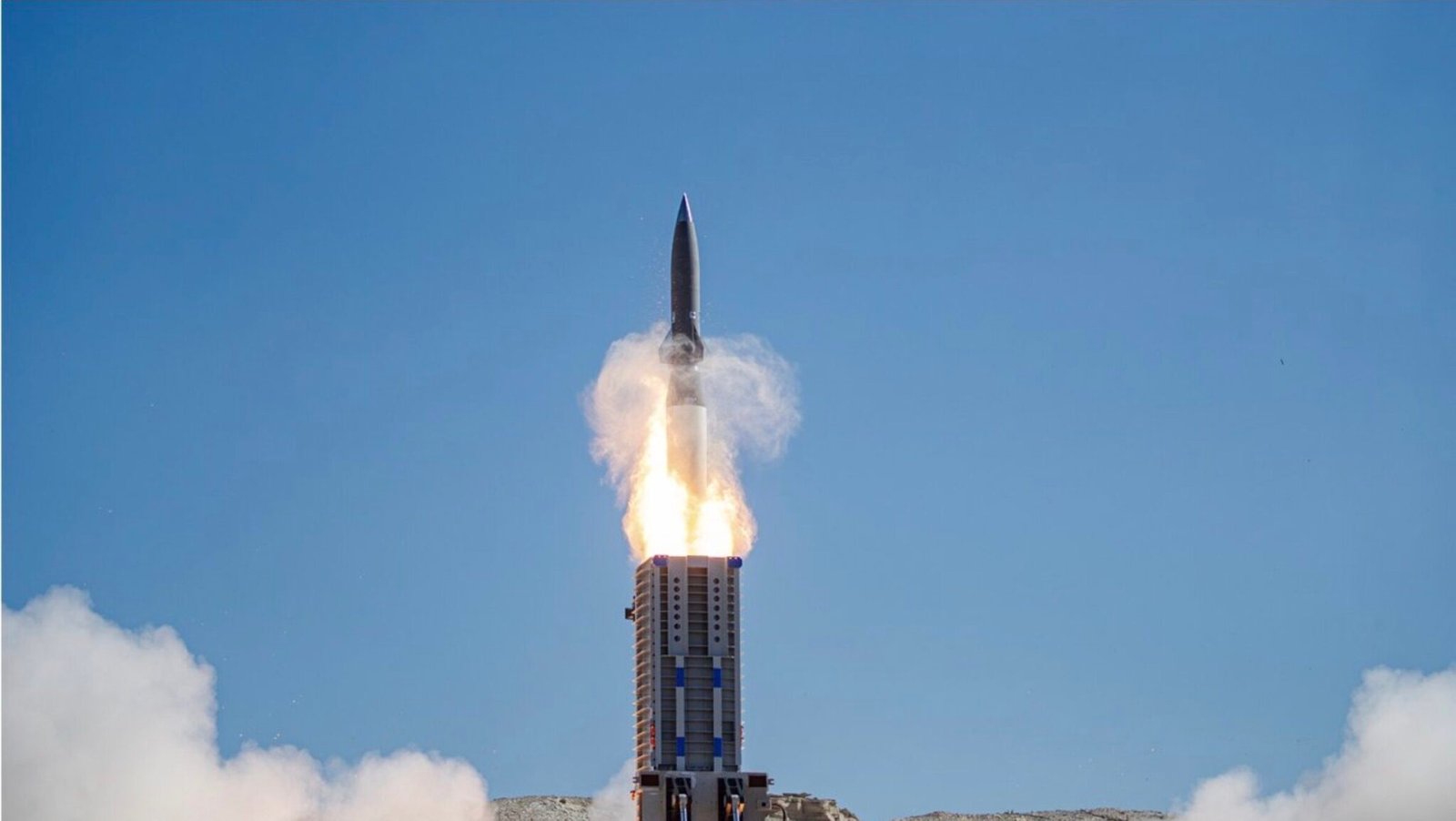
Japan’s hypersonic arsenal includes two primary systems: the Hyper Velocity Gliding Projectile (HVGP) and the Hypersonic Cruise Missile. The HVGP uses a solid-fuel rocket booster to launch a warhead to high altitude before gliding to its target at hypersonic speeds. Meanwhile, the scramjet-powered Hypersonic Cruise Missile resembles a traditional missile but operates at extended ranges and high velocities.
Development Milestones
- 2024: Pre-launch tests in California validated measurement systems.
- 2025: Deployment capability demonstrations on ships and aircraft.
- 2026: Initial deployment of Block 1 HVGP with a 500km range.
- 2030: Extended-range variants (up to 3,000km) planned.
Strategic Goals and Budget Allocation
Japan has allocated 126.1 billion yen ($769 million) for hypersonic development in its 2026 fiscal year. The program aims to counter regional threats, particularly China’s growing naval and air power. The HVGP’s armor-piercing warhead targets aircraft carriers, while the land-attack variant uses explosively formed projectiles for area suppression.
Industry and Manufacturing
- Mitsubishi Heavy Industries (MHI): Selected as the primary manufacturer.
- Launch Vehicle Flexibility: Tested on ships and C-2 transport aircraft.
Future Outlook and Global Impact
Japan’s hypersonic ambitions align with broader Indo-Pacific security strategies. As the first Asian nation to develop such systems, Japan aims to fill a critical gap in anti-ship and land-attack capabilities. The US partnership ensures technical expertise and logistical support, while Japan’s investment signals a long-term commitment to technological sovereignty.
With plans for extended-range variants by 2030, Japan’s hypersonic program could reshape regional power dynamics. The success of this initiative will depend on rigorous testing, international cooperation, and sustained funding—factors that will determine its role in future defense architectures.
Stay Informed on Defense Innovations
Follow our blog for updates on hypersonic technology, global defense trends, and the evolving strategic landscape in the Indo-Pacific region. Share your thoughts in the comments below!