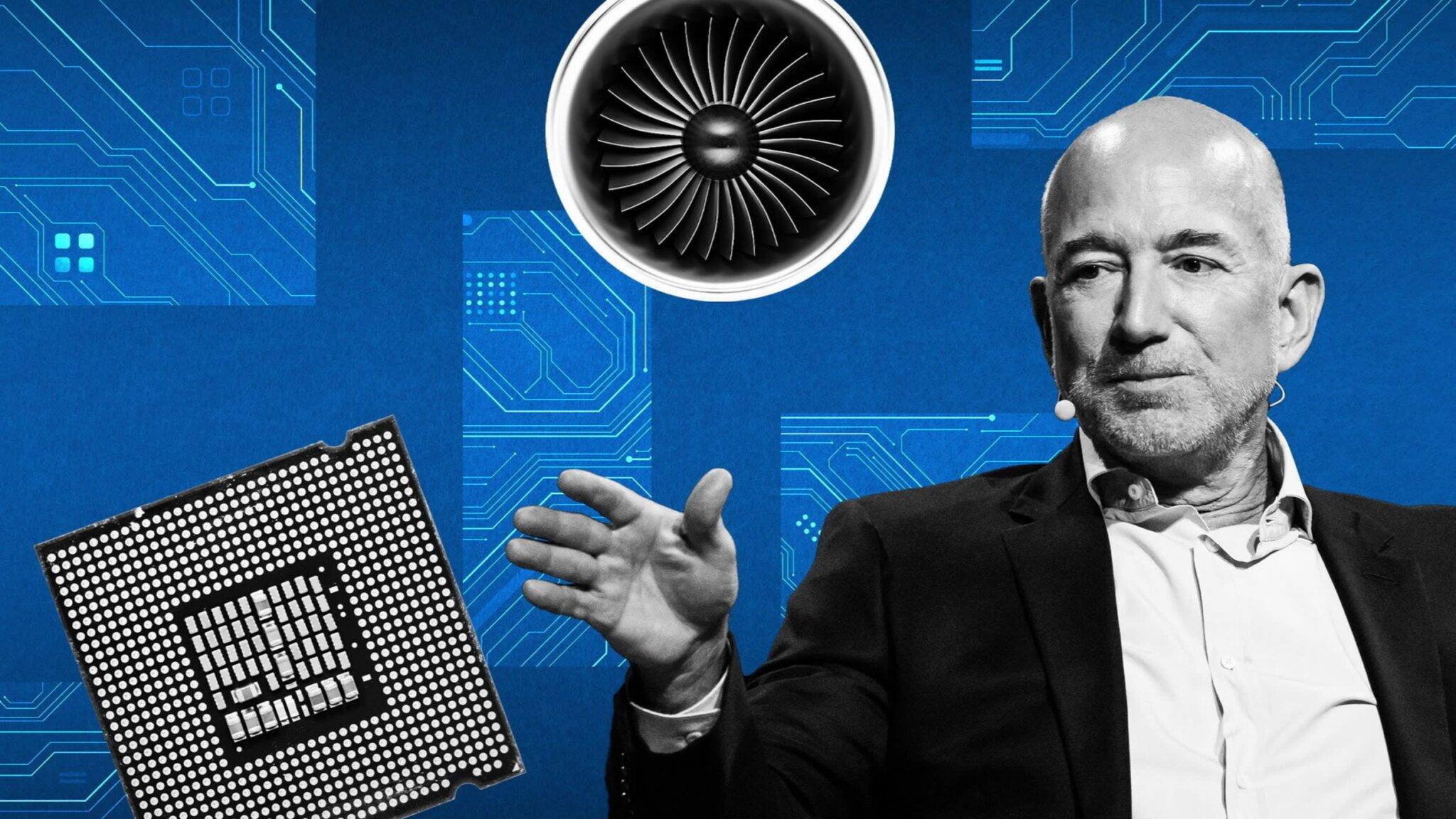
Jeff Bezos’s $30B AI Lab Targets Industrial Sector Deals
Artificial intelligence is reshaping industries at breakneck speed. At the forefront of this revolution is Jeff Bezos’s $30 billion AI lab, which recently announced plans to secure tens of billions more for industrial sector deals. From manufacturing to logistics, AI is unlocking efficiency, innovation, and profitability. But how exactly is this technology transforming traditional industries—and what does it mean for businesses and workers?
The $30 Billion Bet: AI’s Industrial Revolution
Bezos’s AI lab isn’t just another tech experiment. It’s a strategic move to dominate the industrial sector by leveraging AI for automation, predictive analytics, and real-time decision-making. The lab’s focus on industrial applications reflects a growing trend: companies are no longer asking *if* AI will disrupt their field, but *how fast* they can adapt.
Key Sectors Poised for AI Transformation
- Manufacturing: AI-driven robotics and predictive maintenance are reducing downtime by up to 50% in smart factories.
- Energy: Machine learning optimizes grid management, slashing waste and cutting costs for utilities.
- Logistics: Autonomous vehicles and route optimization algorithms are revolutionizing supply chains.
Why Industrial Sectors Are AI’s Next Frontier
Industrial sectors offer a unique blend of scalability and ROI. Unlike consumer-facing AI tools, industrial applications often yield measurable savings within months. For example, AI-powered quality control systems in manufacturing can detect defects with 99.9% accuracy, reducing waste and improving product consistency.
Funding the Future: Strategic Partnerships and Risks
Securing $30 billion in funding is no small feat. Bezos’s lab is targeting partnerships with industrial giants, venture capital firms, and even governments. However, challenges remain. Integrating AI into legacy systems requires significant upfront investment, and workforce retraining is a critical—but often overlooked—component of these transitions.
5 Steps for Businesses to Prepare for AI Adoption
- Assess Pain Points: Identify areas where AI can deliver the most value (e.g., inventory management, predictive maintenance).
- Invest in Talent: Hire AI specialists or partner with labs like Bezos’s to bridge the skills gap.
- Start Small: Pilot AI solutions in one department before scaling.
- Focus on Ethics: Ensure AI systems comply with regulations and avoid bias.
- Measure ROI: Track cost savings, efficiency gains, and employee productivity post-implementation.
Conclusion: The AI Industrial Boom Is Here
The $30 billion AI lab is a signal that industrial transformation is accelerating. Companies that act now will gain a first-mover advantage, while laggards risk obsolescence. Whether you’re a manufacturer, energy provider, or logistics firm, the time to explore AI partnerships is now.
Call to Action: Ready to future-proof your business? Explore AI solutions tailored to your industry or connect with experts to discuss funding opportunities.
FAQs
1. How is AI impacting the industrial sector?
AI is streamlining operations, reducing costs, and enabling predictive analytics in manufacturing, energy, and logistics. For example, AI-driven robotics are boosting production efficiency by up to 40% in smart factories.
2. What challenges do companies face when adopting AI?
Legacy systems, high upfront costs, and workforce retraining are common hurdles. Successful adoption requires strategic planning and phased implementation.
3. Why is Jeff Bezos’s AI lab targeting industrial deals?
Industrial sectors offer high ROI and scalability for AI applications. By focusing on automation and predictive analytics, the lab aims to unlock billions in efficiency gains for partners.
4. How can small businesses leverage AI?
Start with affordable AI tools like cloud-based analytics or chatbots. Partnering with AI labs or consultants can also provide access to cutting-edge solutions without massive upfront costs.
5. What’s the future of AI in manufacturing?
AI will drive fully autonomous factories with real-time decision-making. Expect 70% of manufacturers to adopt AI for quality control and predictive maintenance by 2030.