
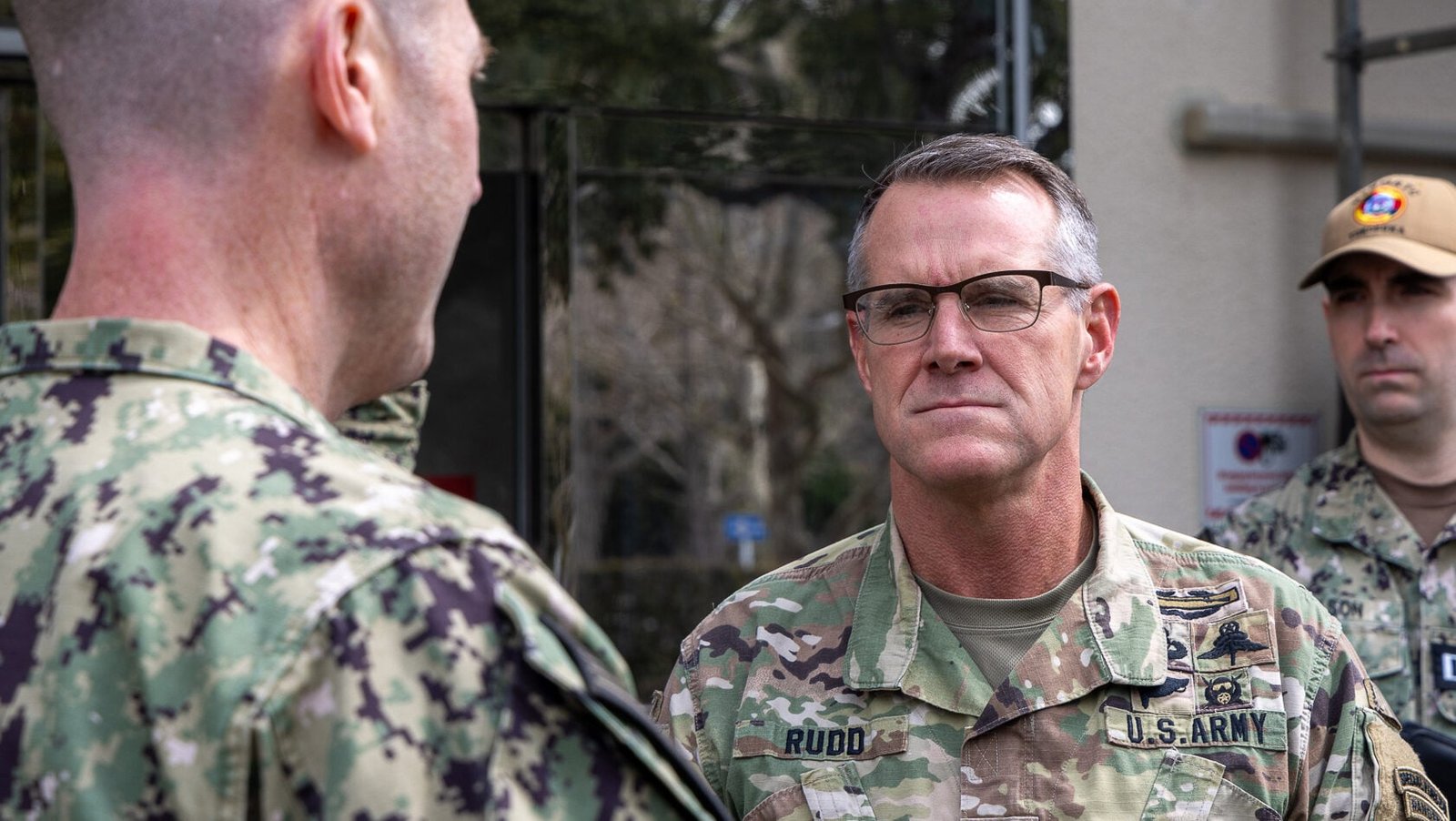
Joshua Rudd Confirmed as Cyber Command Chief
The U.S. Senate confirmed Lt. Gen. Joshua Rudd as the next commander of U.S. Cyber Command and director of the National Security Agency (NSA) in a 71-29 vote. This marks the first time in nearly a year that the dual-hatted role will have a permanent leader after the abrupt departure of Gen. Timothy Haugh in April 2023.
From Special Ops to Cyber Leadership
Rudd’s career as a special operations officer contrasts sharply with the technical demands of cyber and signals intelligence. While he has led high-stakes missions involving cyber capabilities, his direct experience in the field remains limited. This gap sparked immediate debate about his qualifications for a role requiring expertise in defending against cyber threats from state and non-state actors.
Key Background Points
- 35-year Army veteran with special forces experience
- Commanded Joint Task Force-Bravo in Honduras
- Oversees cyber operations during conflicts in Syria and Iraq
Senate Divisions Over Qualifications
Sen. Ron Wyden (D-Ore.) raised concerns about the urgency of the cyber threat landscape. “There is no time for on-the-job learning when defending critical infrastructure,” he stated in a Congressional Record submission. His objections delayed confirmation for weeks.
Sen. Roger Wicker (R-Miss.) countered these concerns, emphasizing Rudd’s leadership during Iran-related operations. “The committee voted unanimously to confirm him. We need decisive leadership now,” he argued on the Senate floor.
Key Arguments For and Against
- Pro: Proponents highlight his operational experience and ability to manage complex missions
- Con: Critics question his readiness to address emerging cyber threats like AI-driven attacks
Implications for Cybersecurity Strategy
Rudd’s confirmation comes at a critical juncture. Recent reports show a 30% increase in state-sponsored cyberattacks since 2022. His leadership will shape responses to threats ranging from Russian disinformation campaigns to Chinese espionage operations.
Experts suggest his special operations background could bring a more aggressive posture to cyber defense. However, some cybersecurity professionals warn this approach might prioritize speed over thoroughness in threat mitigation.
What’s Next for Cyber Command?
The transition period will focus on three priorities:
- Strengthening partnerships with private sector tech companies
- Modernizing NSA surveillance capabilities
- Training hybrid teams for cyber-kinetic operations
Conclusion: A Leader in Transition
While Rudd’s confirmation ends a leadership vacuum, it raises important questions about the balance between operational experience and technical expertise in cyber leadership. As the cyber threat landscape evolves rapidly, his ability to adapt will determine the effectiveness of U.S. cyber defense strategies.
Stay informed about national security developments. Follow our blog for updates on cyber policy and military leadership changes.








