Judge Blocks Anthropic Blacklisting Over First Amendment Concerns
In a landmark ruling, US District Judge Rita Lin has halted the Department of War’s attempt to blacklist AI firm Anthropic, calling the move “classic First Amendment retaliation.” The decision underscores the legal risks of using government power to punish companies for public criticism.
Government Lacks Authority to Blacklist Anthropic
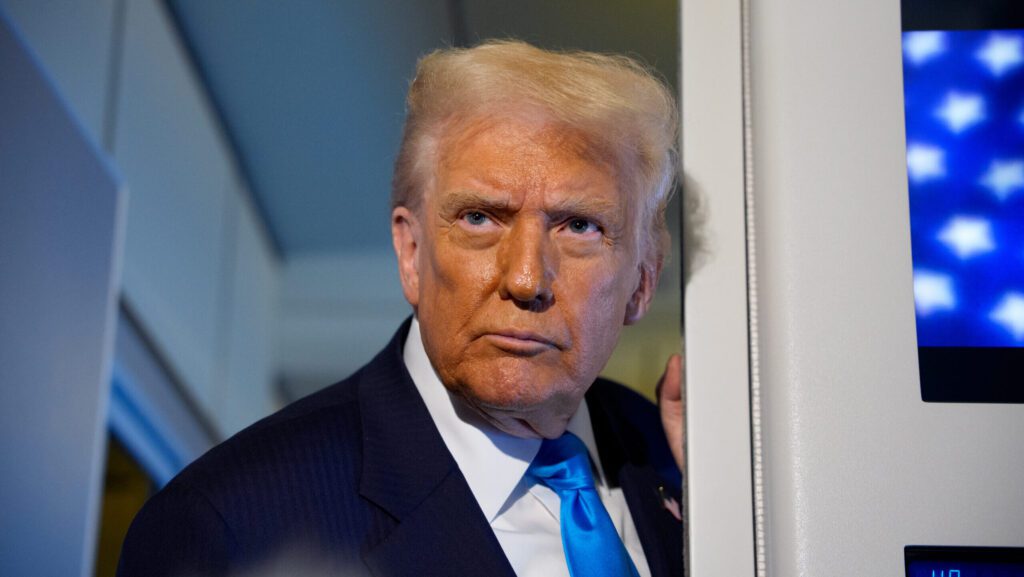
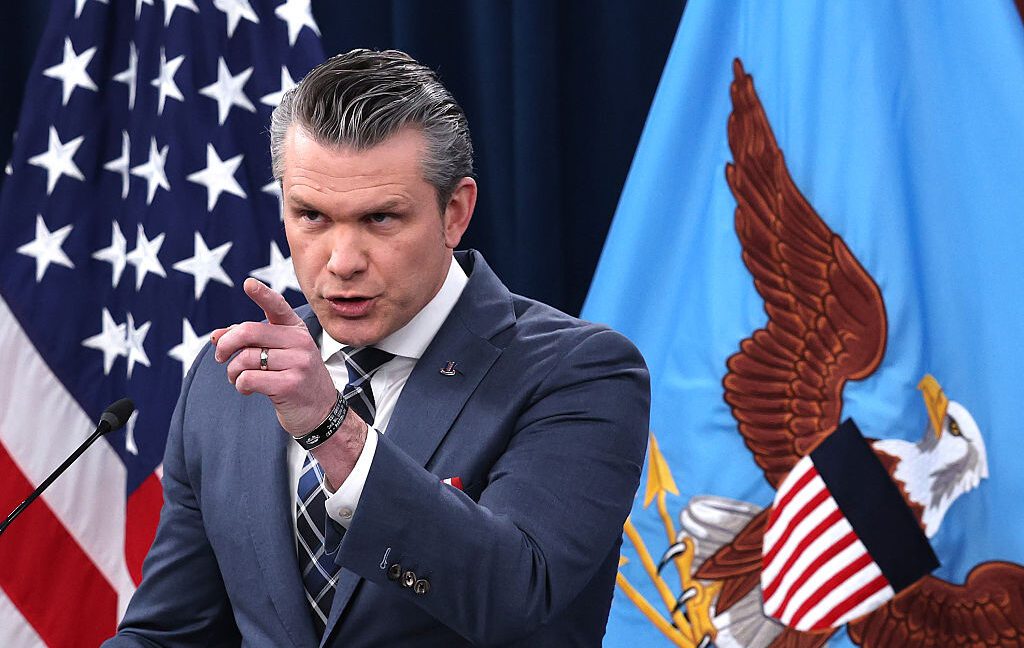
Secretary of War Pete Hegseth and former President Donald Trump lacked the legal authority to designate Anthropic as a supply-chain risk, Judge Lin ruled. The government failed to provide evidence that Anthropic posed an urgent national security threat, instead citing the company’s public criticism of military AI use as justification.
“The Department of War’s records show that it designated Anthropic as a supply chain risk because of its ‘hostile manner through the press,’” Lin wrote. This reasoning, she argued, violates constitutional protections against government retaliation.
Key Legal Findings
- The government cannot punish companies for free speech under the guise of national security
- No evidence was presented to justify the blacklisting
- Supply-chain risk designations typically target foreign adversaries, not domestic firms
Anthropic’s Stance on AI Safety
Anthropic has consistently advocated for responsible AI use, refusing to allow its Claude models to be deployed for mass surveillance or autonomous lethal weapons. The company’s public stance—while praised by some military leaders—became a flashpoint in the dispute.
Industry Implications
The case highlights the tension between AI innovation and government oversight. Anthropic’s CEO stated: “Our focus remains on working productively with the government to ensure all Americans benefit from safe, reliable AI.”
Government Pushback and Market Impact
Despite the ruling, the Department of War called the injunction a “disgrace.” Under Secretary Emil Michael claimed the order contained “factual errors” and warned of operational disruptions. Meanwhile, Anthropic faces immediate financial fallout:
- Three trade deals canceled
- Potential loss of billions in contracts
- Partners delaying negotiations
Broader Debate on AI Governance
Judge Lin emphasized that the case raises critical questions about who controls AI policy. “It was not up to me to decide if AI firms or the government should be in charge of deciding what AI uses are safe for the public,” she wrote.
Anthropic’s legal victory may set a precedent for how governments regulate emerging technologies. The company’s refusal to compromise on safety principles—while risking lucrative contracts—has positioned it as a key player in the AI ethics debate.
What’s Next?
The government has seven days to seek an emergency stay from an appeals court. In the meantime, Anthropic continues its push for collaborative AI governance. As the case moves forward, stakeholders will watch closely for signals about the future of AI regulation in national security contexts.
Stay informed about AI policy developments and their impact on innovation. Follow this space for updates on Anthropic’s legal battle and the evolving AI governance landscape.