Introduction: A Legal Battle Ends in Dismissal
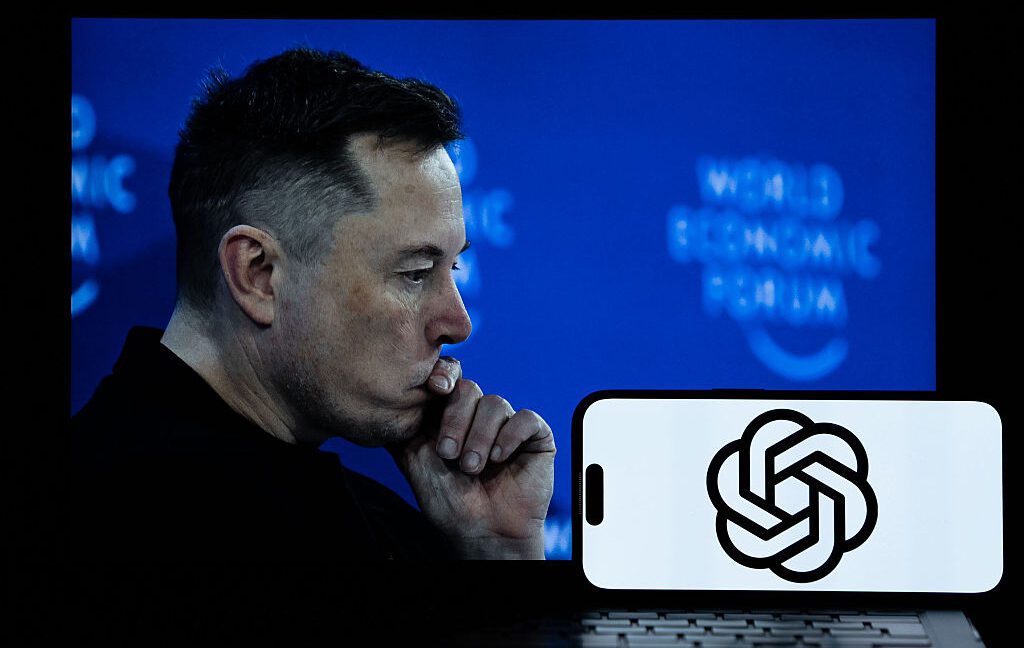
A U.S. judge has dismissed Elon Musk’s lawsuit against OpenAI, ruling there is no evidence to support claims of trade secret theft. The case, which alleged OpenAI poached xAI employees to access confidential data, has been a focal point in the high-stakes rivalry between Musk and OpenAI. This decision underscores a critical legal principle: hiring employees from a competitor does not automatically equate to stealing trade secrets.
The Legal Battle Unveiled
xAI’s Allegations
xAI, Musk’s AI startup, accused OpenAI of luring eight employees away to gain access to xAI’s trade secrets. The lawsuit claimed these employees downloaded sensitive information, including source code and internal meeting recordings. However, the judge found these allegations lacked concrete evidence linking OpenAI to the alleged misconduct.
OpenAI’s Defense
OpenAI countered that xAI’s claims were part of a “harassment campaign” by Musk. The company emphasized that hiring employees from a competitor is a common business practice and not inherently illegal. Legal experts agree that OpenAI’s defense hinges on the principle that suspicion alone cannot establish liability under trade secret laws.
Why the Judge Dismissed the Case
Lack of Direct Evidence
Judge Rita F. Lin ruled that xAI failed to prove OpenAI “induced” employees to steal trade secrets or that the company used any stolen information. While two employees admitted to downloading confidential data, there was no evidence OpenAI benefited from this information. The judge noted that “suspicious timing” or “aggressive recruiting” does not meet the legal threshold for trade secret misappropriation.
Weak Legal Theories
xAI’s argument relied heavily on circumstantial evidence, such as a Signal message from an OpenAI recruiter to an xAI employee. The message, “nw!” (interpreted as “no way!”), was presented as proof of collusion. However, the judge dismissed this as speculative, emphasizing that OpenAI denied any wrongdoing and provided alternative explanations for the communication.
Implications for the AI Industry
Clarifying Legal Boundaries
This ruling reinforces that companies can compete for talent without facing legal repercussions unless direct evidence of trade secret theft exists. Commercial litigator Sarah Tishler highlighted that the decision “boils down to a fundamental concept in trade secret law: hiring from a competitor is not the same as stealing trade secrets from one.”
Encouraging Talent Mobility
In the fast-paced AI sector, talent mobility is inevitable. The ruling reassures companies that aggressive hiring practices are legally permissible unless they involve explicit collusion to steal intellectual property. This clarity is crucial for fostering innovation in an industry where competition for skilled engineers is fierce.
What’s Next for xAI and OpenAI?
While the judge dismissed the current complaint, xAI may file an amended lawsuit with stronger evidence. OpenAI, meanwhile, has framed the case as part of Musk’s broader legal strategy to undermine its business. Both parties are likely to continue their legal and public relations battles, but the dismissal sets a precedent for future trade secret disputes.
Frequently Asked Questions
1. What is the OpenAI trade secrets lawsuit about?
Elon Musk’s xAI accused OpenAI of stealing trade secrets by hiring employees who allegedly downloaded confidential data. A judge dismissed the case due to insufficient evidence.
2. Can hiring employees from a competitor be considered theft?
No. The ruling clarifies that hiring employees is not illegal unless there is direct evidence the new employer used stolen trade secrets.
3. What legal standard must be met to prove trade secret theft?
Plaintiffs must demonstrate the defendant acquired, disclosed, or used trade secrets without authorization. Circumstantial evidence alone is insufficient.
4. How does this affect AI industry practices?
The decision encourages companies to compete for talent legally, reinforcing that suspicion or aggressive recruiting does not equate to legal liability.
5. What happens next in the xAI vs. OpenAI case?
xAI may revise its lawsuit to include stronger evidence. OpenAI will likely continue defending against allegations of trade secret misappropriation.
Conclusion: A Landmark Ruling for AI Legal Standards
This dismissal marks a pivotal moment in AI litigation, establishing clear boundaries for trade secret claims. As the industry evolves, companies must focus on building robust legal defenses and ethical hiring practices. Stay tuned for updates on this case and its broader implications for the tech sector.