Kalshi Prediction Market Controversy Explained
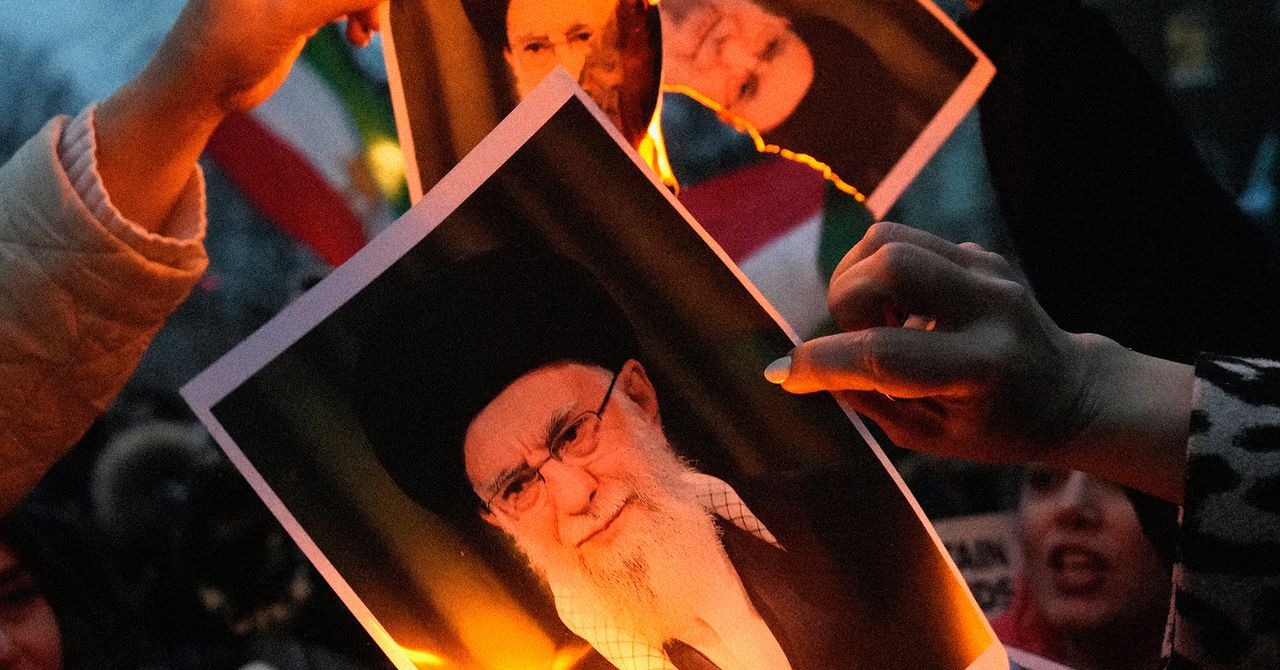
In March 2026, Kalshi, a U.S.-based prediction market platform, faced backlash after resolving a $54 million market tied to the fate of Iranian Supreme Leader Ayatollah Ali Khamenei. Traders who bet on his removal from power were left frustrated when the platform settled the market based on the last-traded price before his death, not the outcome itself. This incident sparked debates about transparency, rules, and the future of prediction markets.
How Kalshi Handled the Market
Kalshi’s market offered “yes” or “no” contracts on whether Khamenei would be “out” as Iran’s supreme leader. After his death was confirmed, the platform paused the market and settled it at the last-traded position before the event. CEO Tarek Mansour cited a “death carve-out” in Kalshi’s rules, which prohibits contracts tied to assassination. However, traders argued the rules were unclear and not prominently displayed until after the conflict began.
Key Issues:
- Rule Ambiguity: The “death carve-out” was added to the market page post-conflict, leaving many traders unaware.
- Financial Impact: Kalshi reportedly lost $2.2 million reimbursing fees and losses to maintain user trust.
- Regulatory Scrutiny: The incident intensified calls for tighter oversight of prediction markets in the U.S.
Trader Reactions and Legal Implications
Traders expressed outrage, with some threatening class-action lawsuits and filing complaints with the Commodity Futures Trading Commission (CFTC). Nicholas Mahoney, a Kalshi trader, stated, “They should have settled the market how people thought it would be settled.” Despite Kalshi’s apology and financial concessions, trust eroded quickly, with users defunding accounts and deleting the app.
Broader Industry Concerns:
- Polymarket Criticism: Similar disputes over markets tied to events like Ukraine’s Zelensky’s attire highlight systemic issues in the sector.
- Regulatory Pressure: Kalshi faces 19 lawsuits from state authorities, while advocacy groups like Gambling Is Not Investing push for stricter rules.
What This Means for Prediction Markets
The controversy underscores the challenges of balancing free markets with ethical and legal boundaries. While prediction markets remain popular—Kalshi already has a new market on Khamenei’s successor—the incident highlights the need for clearer rules and user education. For traders, it’s a reminder to scrutinize platform policies before investing.
Takeaway for Traders:
- Review market rules thoroughly before trading.
- Stay informed about regulatory changes in the prediction market space.
- Consider the ethical implications of betting on geopolitical events.