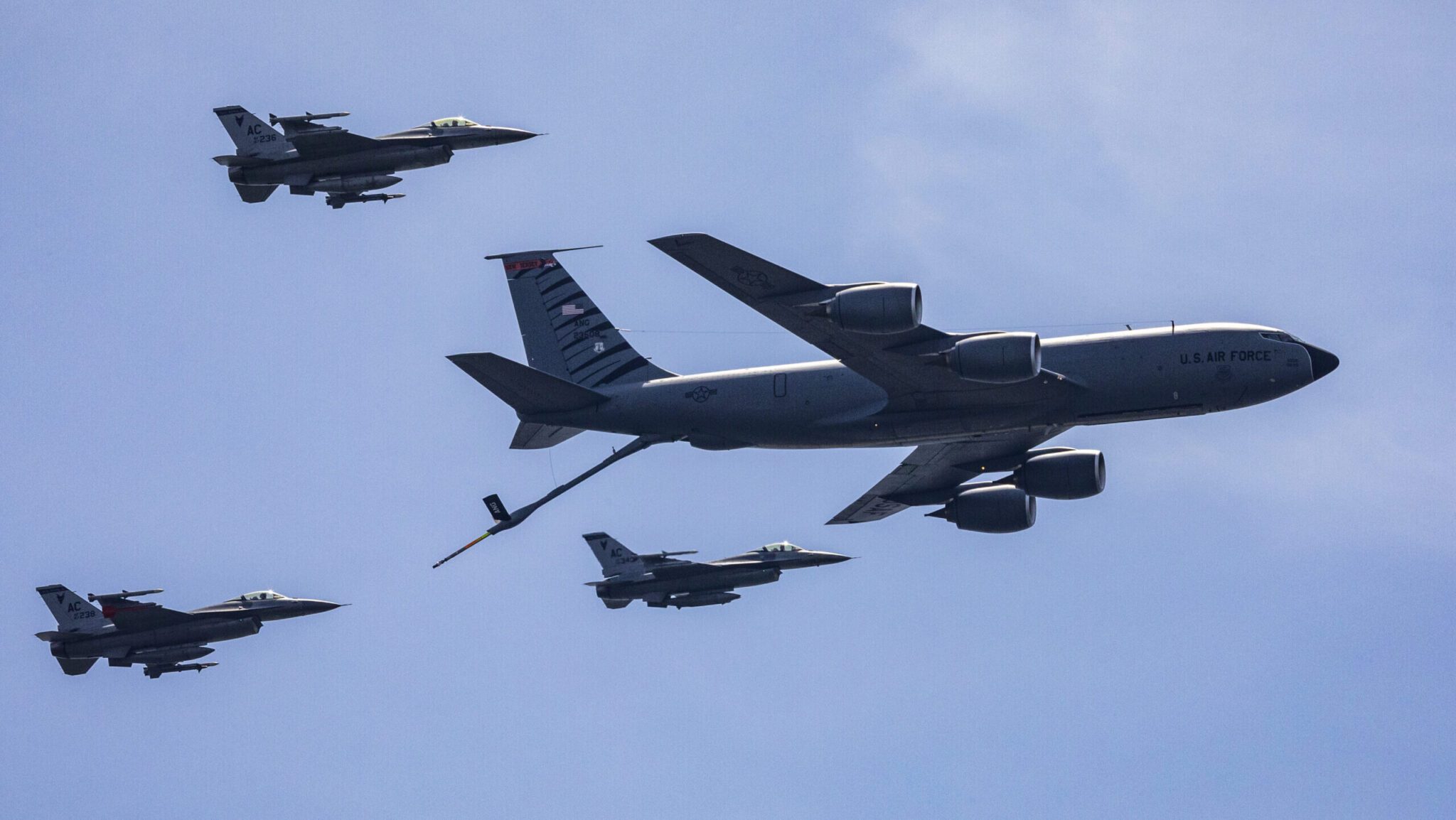
Understanding the KC-135 Stratotanker’s Role in Modern Warfare
The U.S. Air Force’s KC-135 Stratotanker is a workhorse of aerial refueling, enabling long-range missions for fighter jets and bombers. However, a recent incident in Iraq has raised urgent questions about safety and operational risks. On [date], a KC-135R Stratotanker from the New Jersey Air National Guard’s 108th Wing crashed during a refueling exercise at the 2019 Atlantic City International Airshow. Now, a similar event has unfolded in a combat zone, highlighting vulnerabilities in this aging aircraft.
What Happened During the KC-135 Stratotanker Crash?
According to U.S. Central Command (CENTCOM), the KC-135 Stratotanker crashed in Iraq during Operation Epic Fury, the U.S. military’s campaign against Iran. The incident occurred in friendly airspace and was not caused by hostile or friendly fire. While casualties remain unclear, rescue efforts are ongoing. Notably, the KC-135 lacks ejection seats, complicating recovery efforts compared to fighter jets like the F-16s used in the same operation.
Key Details from the Incident
- A second aircraft was involved, though it landed safely.
- The crash marks the first KC-135 incident since 2013, when three crew members died in a takeoff mishap.
- The Stratotanker’s role in extending mission range makes it critical but vulnerable in contested environments.
Why the KC-135 Stratotanker Matters
With a wingspan of 130 feet, the KC-135 has been the backbone of U.S. air refueling since the 1950s. Despite its age, it remains indispensable for operations in the Middle East, where it fuels jets striking Iranian targets. However, its susceptibility to enemy fire has prompted the Air Force to replace it with the newer Boeing KC-46 Pegasus. Yet, the Stratotanker is expected to stay in service until 2050, underscoring its enduring importance.
Risks and Modernization Challenges
The KC-135’s design prioritizes fuel capacity over combat survivability. Unlike stealth fighters, it typically operates outside contested airspace. However, incidents like this crash and the recent F-15 friendly fire incident in Kuwait reveal systemic risks in high-stakes operations. Modernization efforts face delays, leaving the Stratotanker as a critical but aging asset.
What Comes Next?
CENTCOM has not released details about the cause of the crash. Investigations will likely focus on mechanical failure, human error, or environmental factors. Meanwhile, the Air Force must balance operational demands with the need to retire aging aircraft. For now, the KC-135 Stratotanker’s legacy remains a mix of reliability and risk—a reminder of the complexities of modern military logistics.
Stay Informed on Military Aviation Updates
Follow developments in this story as investigations unfold. The KC-135 Stratotanker crash underscores the need for transparency and innovation in military aviation. Share your thoughts in the comments or subscribe for updates on defense technology and safety protocols.