
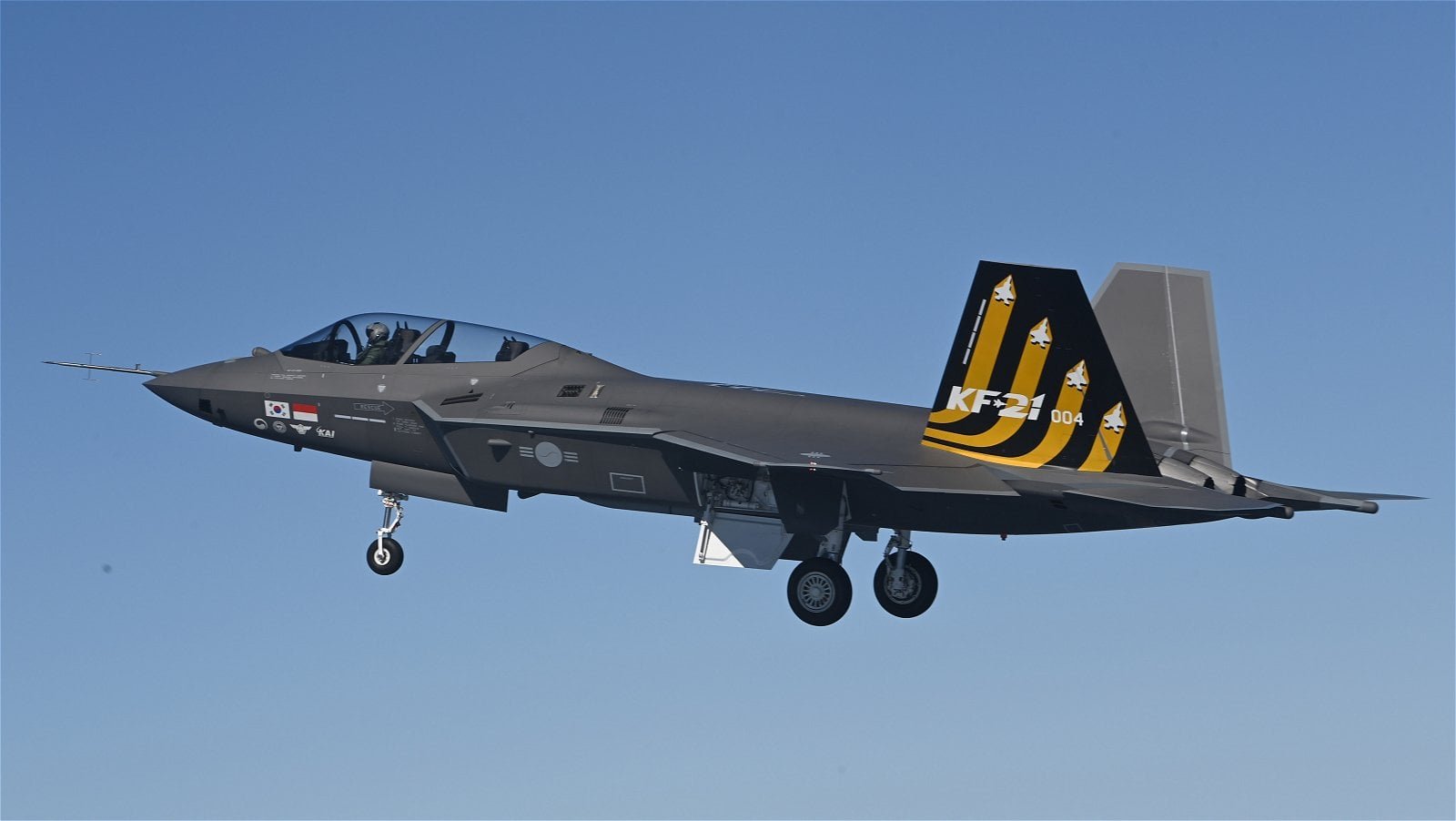
KF-21 Boramae: South Korea’s Leap in Defense Innovation
South Korea has taken a monumental step in its defense industry with the rollout of the first production KF-21 Boramae fighter jet. This achievement, just two years after construction began, marks a pivotal moment in the nation’s quest for self-reliance in advanced military technology. With a two-seat design and cutting-edge capabilities, the KF-21 Boramae is more than a jet—it’s a symbol of South Korea’s growing global influence in aerospace and defense.
The KF-21 Boramae: A Strategic Milestone
On Wednesday, Korea Aerospace Industries (KAI) unveiled the first production model of the KF-21 Boramae at its Sacheon facility. South Korean President Lee Jae Myung attended the ceremony, emphasizing the program’s role in advancing the country’s defense ambitions. “This success will solidify Korea’s position among the world’s top four defense-industrial nations,” he stated, highlighting the government’s commitment to investing in advanced aircraft engines, materials, and components.
From Concept to Reality
The journey to this milestone began 25 years ago, with the final development approval secured in 2015. Key partners like KAI, the Agency for Defense Development, and Hanwha collaborated to bring the KF-21 to life. The program recently completed its flight test phase in January 2024, setting the stage for mass production and operational deployment.
Development and Collaboration
The KF-21 program is a testament to South Korea’s ability to unite public and private sectors. KAI led the project, supported by Hanwha’s expertise in defense systems and the Agency for Defense Development’s technological guidance. This partnership has enabled the integration of both indigenous and international systems, such as the European MBDA Meteor missile and the KGGB precision glide bomb.
Technological Advancements
- 4.5-Generation Capabilities: The KF-21 combines advanced sensors, stealth features, and multirole flexibility.
- Hybrid Armaments: Equipped with a mix of South Korean and Western weapons for air-to-air and air-to-ground missions.
- Future-Proof Design: Block 2 variants will expand the jet’s capabilities with enhanced avionics and ground-attack systems.
Capabilities and Variants
South Korea has ordered 40 Block 1 KF-21s, primarily for air superiority. The Block 2 variant, with 80 units planned, will introduce advanced ground-attack features. This phased approach ensures the jet evolves alongside emerging threats and technologies.
Replacing Legacy Aircraft
The KF-21 will gradually replace aging F-4 Phantom and KF-5 Tiger II jets. The F-4s were retired in 2025, while the KF-5s will follow in the coming years. This transition will modernize the Republic of Korea Air Force (RoKAF) and enhance its readiness for future conflicts.
Export Potential and Global Ambitions
KAI is actively pursuing international sales, with Indonesia and the Philippines as key targets. Indonesia, a development partner, has already contributed to the program, while the Philippines has expressed interest in acquiring the jets. These exports could position the KF-21 as a competitive alternative to Western and Chinese fighter aircraft.
Strategic Alliances
Collaborations with global defense firms have strengthened the KF-21’s appeal. By integrating Western systems like the MBDA Meteor, South Korea has addressed potential concerns about interoperability, making the jet attractive to allied nations seeking to align with NATO standards.
Future Outlook and Impact
The KF-21 program is more than a military project—it’s a catalyst for economic growth. By fostering a domestic defense industry, South Korea aims to reduce reliance on foreign suppliers and create high-tech jobs. Analysts predict the program could generate $10 billion in revenue over the next decade, boosting the nation’s GDP and technological expertise.
Challenges Ahead
Despite its success, the KF-21 faces hurdles. Delays in engine development and the need for sustained government funding could impact production timelines. However, KAI’s track record with the T-50 Golden Eagle trainer jet suggests the company is capable of overcoming these challenges.
Conclusion: A New Era for South Korea
The KF-21 Boramae represents a bold leap for South Korea’s defense sector. By combining innovation, collaboration, and strategic vision, the program has positioned the country as a global player in aerospace. As production ramps up and exports expand, the KF-21 will not only protect South Korea’s skies but also elevate its status on the world stage.
Stay informed about the KF-21 Boramae’s progress and South Korea’s defense advancements. Follow our blog for updates on this groundbreaking program.








