
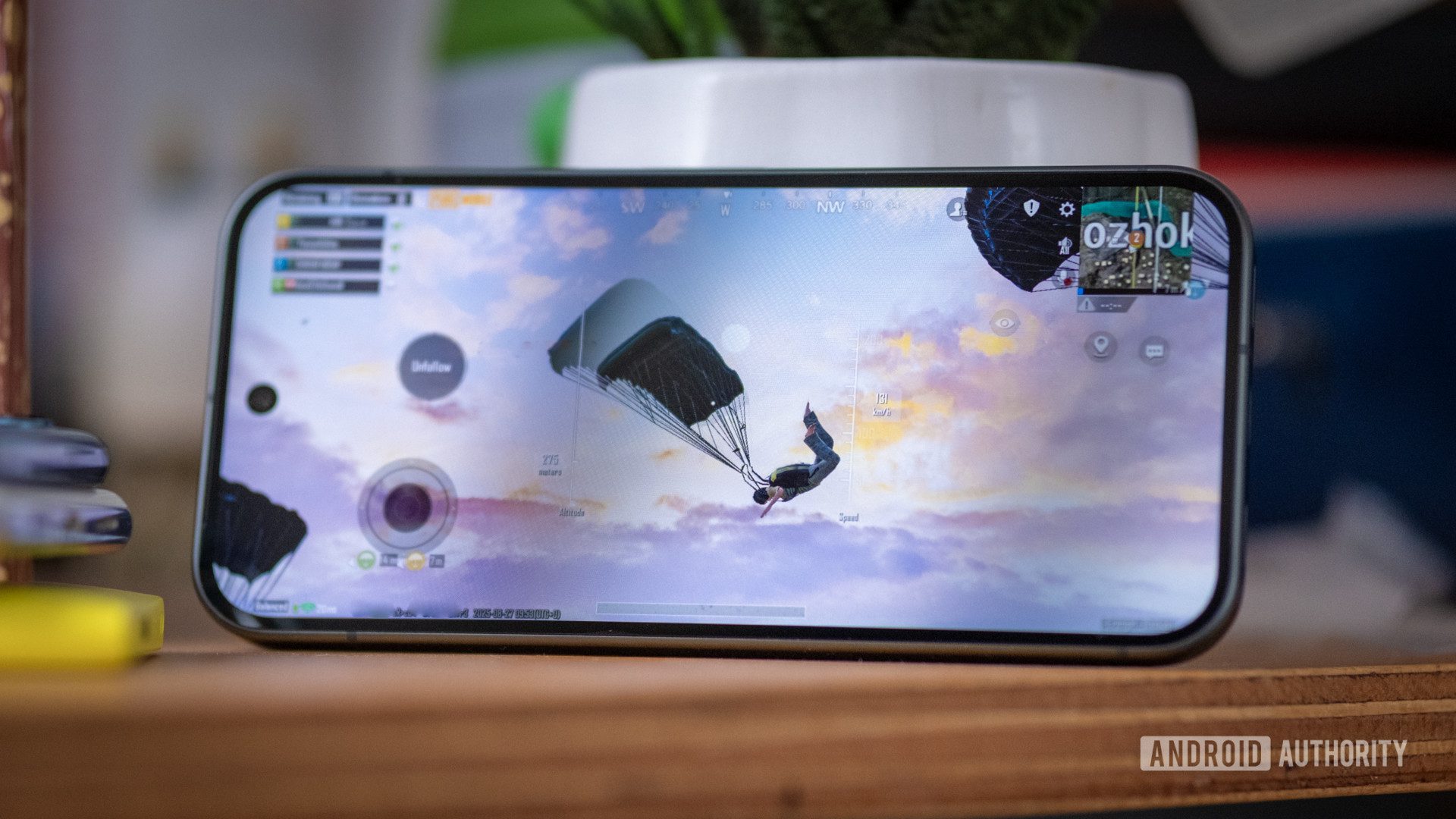
Don’t Buy a New Phone for Gaming—Last-Gen Flagships Still Perform Just as Well
Mobile gaming has evolved rapidly, but does upgrading to the latest flagship phone truly justify the cost? Recent tests reveal that last-gen smartphones, like the Xiaomi 15 Ultra, still deliver top-tier performance for even the most demanding games. Here’s why you might not need to break the bank for a new device.
Real-World Gaming Tests: New vs. Last-Gen
To evaluate performance, I compared the Xiaomi 17 Ultra (Snapdragon 8 Elite Gen 5) and the Xiaomi 15 Ultra (Snapdragon 8 Elite). Both handled Call of Duty: Mobile and Genshin Impact at 120fps and 60fps respectively, with minimal microstutters. Even under stress, temperatures peaked at 40°C, but neither phone overheated or crashed.
Key Takeaways from the Tests
- Frame Rates: Both devices hit 120fps in supported games, with no noticeable lag.
- Thermal Throttling: Sustained drops occurred after 20–30 minutes of play, but neither phone exceeded 40°C.
- Emulation Performance: NetherSX and Dolphin emulators ran smoothly at 60fps, with the Gen 5 chip showing marginally better stability.
Power Efficiency: The Hidden Advantage of Newer Chips
While performance is nearly identical, the Snapdragon 8 Elite Gen 5 uses 20% less power in intensive tasks. For example, in Mario Kart Wii emulation, the new chip averaged 5.0W versus 5.6W for the older model. This efficiency translates to longer battery life during extended gaming sessions.
When Does the Newer Chip Matter?
Some games, like Asphalt Legends, lock frame rates to specific chipsets. The Xiaomi 15 Ultra was capped at 60fps, while the 17 Ultra hit 120fps. However, this is an edge case—most games treat both generations equally.
Should You Upgrade for Gaming?
For most gamers, last-gen flagships offer equivalent performance at a fraction of the cost. You’ll save hundreds of dollars while still enjoying:
- High frame rates in AAA titles
- Robust thermal management
- Future-proofing for 1–2 years
That said, the Gen 5 chip provides slight advantages in power efficiency and future compatibility. If you’re buying a phone for gaming and want longevity, the newer model is worth considering.
Conclusion: Save Money Without Sacrificing Performance
Mobile gaming performance isn’t advancing as rapidly as benchmarks suggest. Last-gen flagships like the Xiaomi 15 Ultra still deliver blistering frame rates and thermal stability. Unless you need cutting-edge features like AI enhancements or camera upgrades, there’s no urgent need to upgrade.
Ready to save? Check prices for last-gen flagships—they’re often 30–50% cheaper than new models while still crushing games.
FAQs
Can last-gen flagships handle high-end gaming?
Absolutely. Both the Xiaomi 15 Ultra and 17 Ultra hit 120fps in Call of Duty: Mobile and 60fps in Genshin Impact without overheating.
Do new chips use less power?
Yes. The Snapdragon 8 Elite Gen 5 uses 20% less power in gaming scenarios, extending battery life by up to 15%.
Will last-gen phones support future games?
Most developers optimize for the latest chipsets, but last-gen models will still run upcoming games at high settings for 1–2 years.
Why do some games lock frame rates?
Game developers sometimes restrict settings to specific chipsets. This is rare but can happen with titles like Asphalt Legends.
Are there other benefits to upgrading?
Newer phones often include improved cameras, AI features, and better software support. However, these upgrades are secondary to gaming performance.








