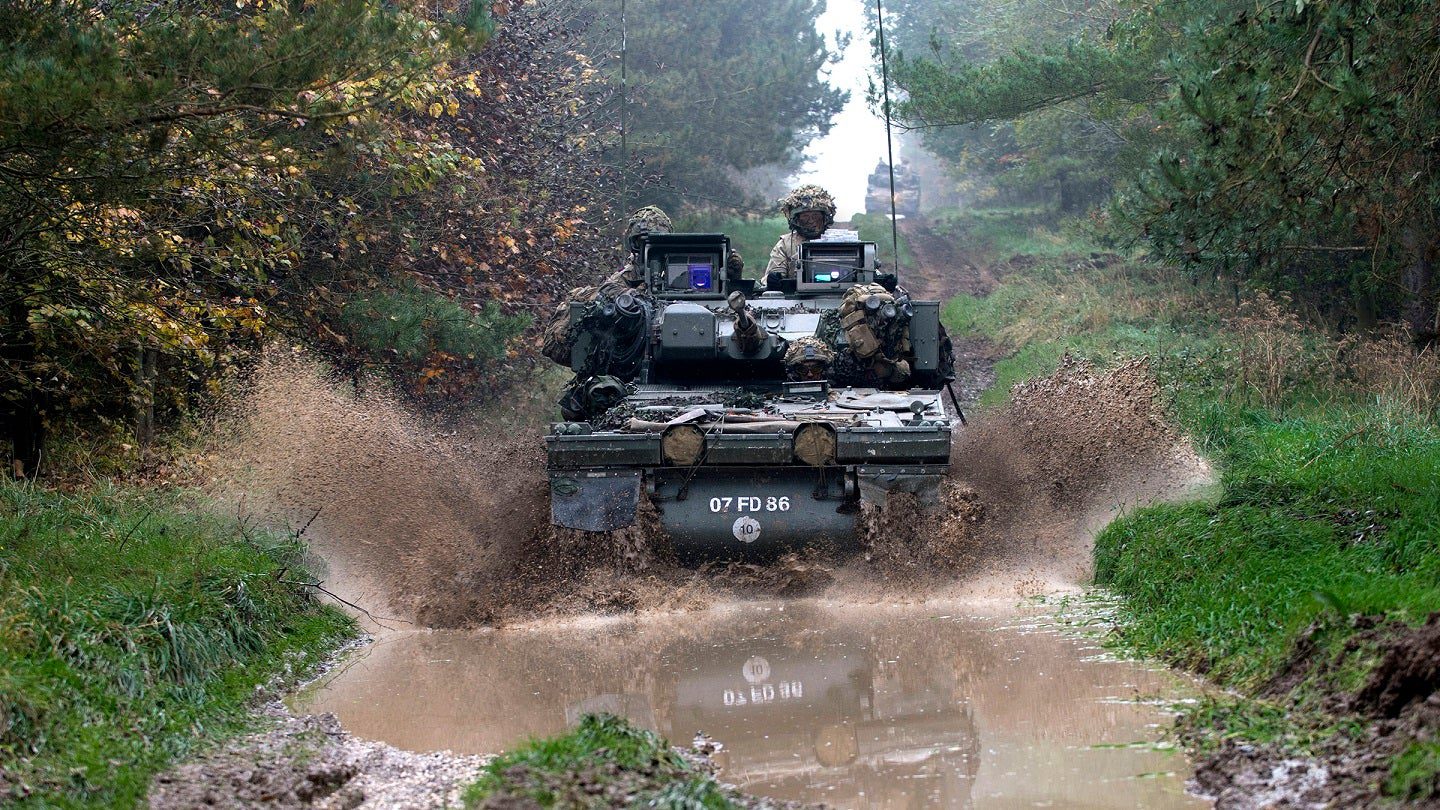
Latvia Transfers Scimitar Tanks to Ukraine
Latvia has begun transferring its fleet of Scimitar light tanks and Spartan armored personnel carriers (APCs) to Ukraine, marking a significant step in military aid to Kyiv. This move follows Latvia’s acquisition of over 200 CVR(T) vehicles from the UK in the mid-2010s, with the British Army decommissioning the Scimitar in 2023. The transfer aims to bolster Ukraine’s armored capabilities amid ongoing conflict.
Strategic Shift in Military Aid
The Scimitar and Spartan vehicles, part of the Combat Vehicle Reconnaissance (Tracked) family, are now central to Latvia’s defense strategy. By redirecting these assets to Ukraine, Latvia aligns with broader NATO support efforts. The UK’s 2023 decision to retire the Scimitar fleet created an opportunity for rapid deployment to Ukraine, where armored units face critical shortages.
Why CVR(T) Vehicles Matter
- Scimitar Light Tanks: Designed for reconnaissance and rapid strikes, these vehicles offer mobility and firepower.
- Spartan APCs: Provide troop transport and logistical support, essential for frontline operations.
Ukraine’s Funding Challenges
Ukraine has repeatedly highlighted funding gaps as a barrier to sustaining its defense. Latvia’s commitment to allocate 0.25% of its GDP annually to military aid, alongside the EU’s recent €90 billion support package, signals a coordinated effort to address these needs. The transfer of CVR(T) vehicles directly supports Ukraine’s goal to equip a full battalion-level unit.
Combat Losses and Replacement Needs
Ukraine’s existing CVR(T) fleet has suffered combat losses, reducing operational readiness. The Latvian transfer helps replenish these losses while integrating modernized variants of the Scimitar and Spartan. This ensures Ukrainian forces maintain armored mobility and firepower in key engagements.
Implications for Modern Warfare
The Scimitar and Spartan’s tracked design offers superior terrain adaptability compared to wheeled vehicles. Their deployment in Ukraine underscores the importance of versatile armored units in hybrid warfare scenarios. Analysts note that these vehicles’ speed and agility make them ideal for reconnaissance missions and rapid troop movements.
Key Takeaways for Defense Procurement
- Legacy systems like the Scimitar can be repurposed for modern conflicts with minimal upgrades.
- International cooperation accelerates the transfer of critical military assets.
- Armored vehicle fleets require continuous modernization to counter evolving threats.
Conclusion
Latvia’s transfer of Scimitar tanks and Spartan APCs to Ukraine highlights the strategic value of armored vehicles in contemporary warfare. As Kyiv continues to secure funding and equipment, partnerships like this will remain vital. For defense professionals, this case study offers insights into optimizing legacy systems and streamlining international military aid.
Download our free buyer’s guide to explore leading armored vehicle manufacturers and suppliers in the defense industry.