
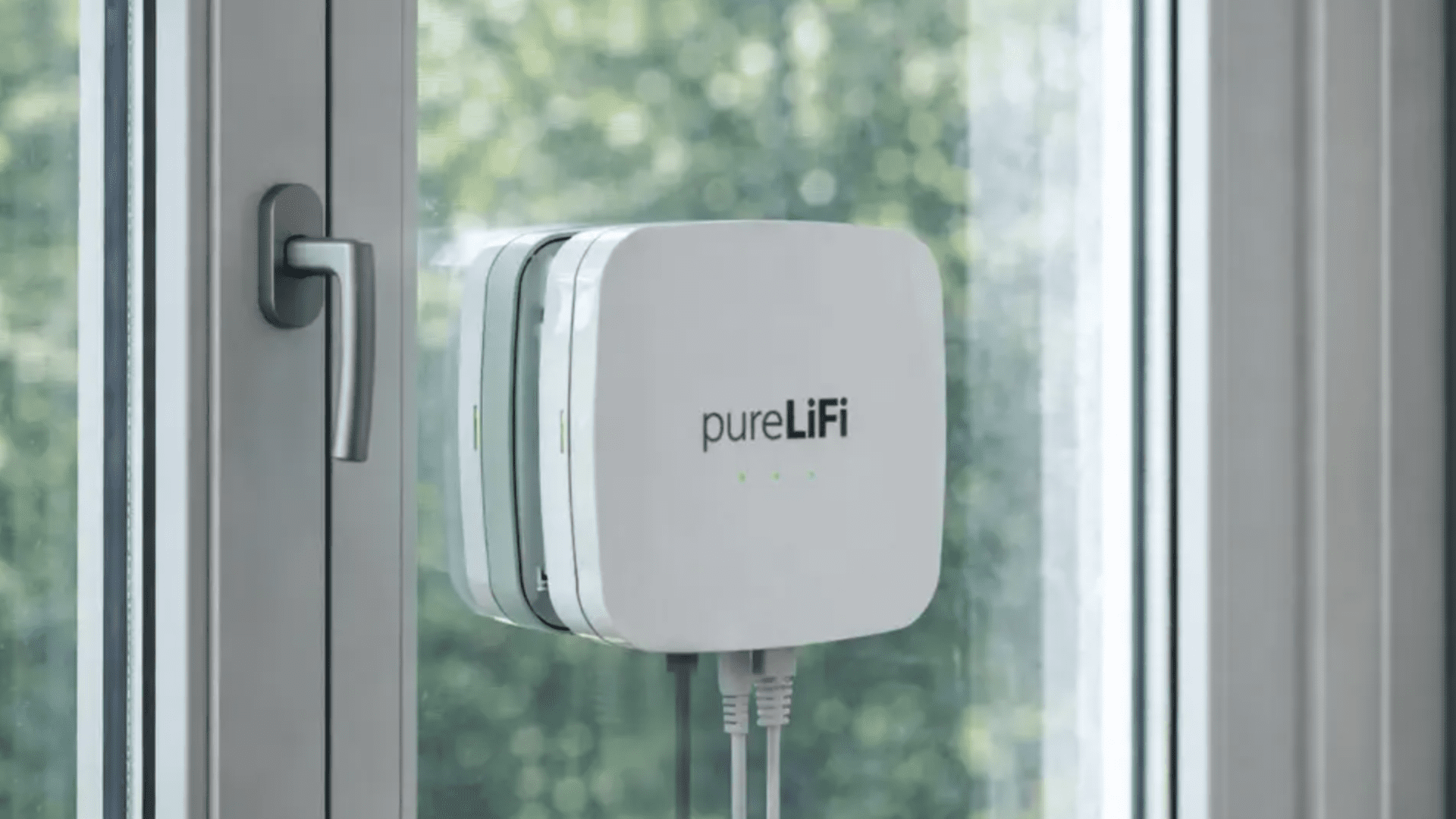
Introduction to LiFi
LiFi, or Light Fidelity, is a wireless communication technology that uses light to transmit data. It’s being hailed as the future of indoor connectivity, with companies like pureLiFi promising speeds of up to 10Gbps.
However, LiFi also has its limitations, including the need for a clear line of sight between the transmitter and receiver. Meanwhile, this technology has the potential to revolutionize the way we connect to the internet indoors.
How LiFi Works
LiFi works by using LED lights to transmit data through light waves. For example, when you turn on a LiFi-enabled light, it begins to flicker at a rate that’s imperceptible to the human eye. Additionally, this flickering is actually a form of data transmission.
Therefore, devices equipped with LiFi receivers can detect these light waves and decode the data being transmitted. Furthermore, this technology has the potential to provide faster and more reliable internet connections than traditional Wi-Fi.
Benefits of LiFi
One of the main benefits of LiFi is its ability to provide secure connections. Since LiFi signals can’t pass through walls, it’s much harder for hackers to intercept data. Moreover, LiFi also has the potential to reduce interference from other devices.
Finally, LiFi is also being explored for use in areas where traditional Wi-Fi is not possible, such as in hospitals or other sensitive environments.
Challenges Facing LiFi
Despite its potential, LiFi still faces several challenges. For instance, the need for a clear line of sight between the transmitter and receiver can be a major limitation. However, companies like pureLiFi are working to develop new technologies that can overcome this limitation.
Meanwhile, the cost of LiFi technology is also a barrier to adoption. Nevertheless, as the technology continues to develop, we can expect to see the cost come down and the adoption rate increase.








