How Skyward Wildfire Aims to Stop Lightning Strikes
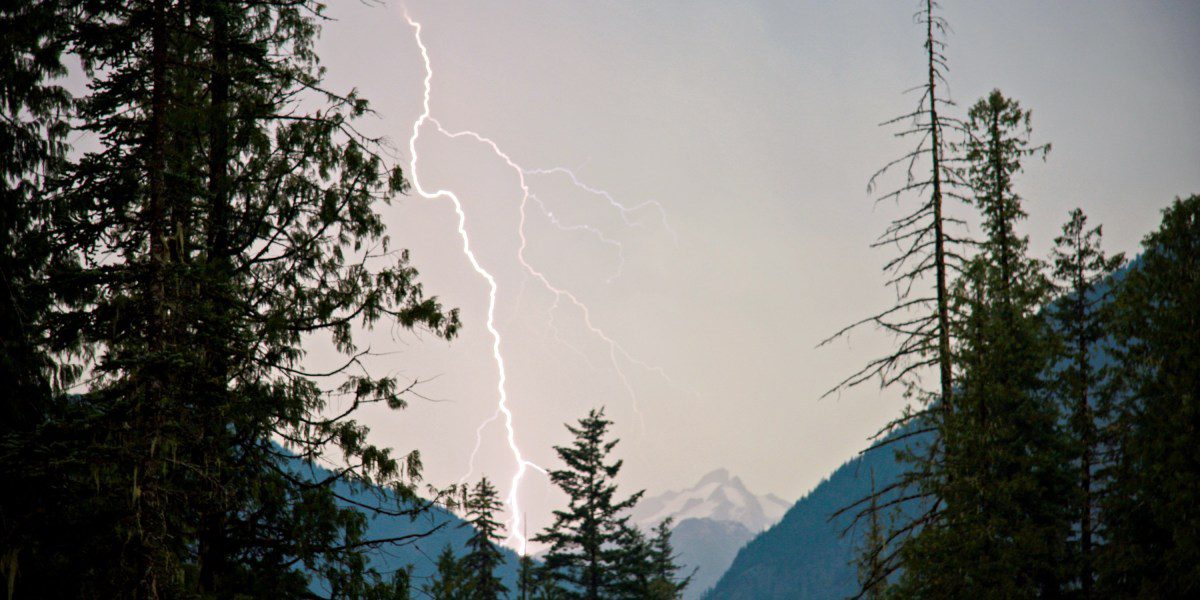
Wildfires devastate ecosystems, communities, and economies. In 2026, a startup named Skyward Wildfire claims it has developed technology to prevent these disasters by stopping the very cause: lightning strikes. The company’s approach, rooted in 1960s research, involves cloud seeding with metallic chaff—fiberglass strands coated in aluminum. But how effective is this method, and what challenges remain?
The Science Behind Lightning Prevention
- Cloud Seeding: Skyward uses metallic chaff to alter cloud dynamics, potentially disrupting lightning formation.
- Historical Context: The U.S. government explored similar methods decades ago, but Skyward’s modernized approach aims to refine the process.
- Unproven Efficacy: While promising, the technology’s success depends on variables like weather conditions and material dispersion rates.
Challenges and Ethical Questions
Despite its bold claims, Skyward faces skepticism from researchers and environmentalists. Key concerns include:
Environmental Impact
Releasing metallic chaff into the atmosphere raises questions about long-term ecological effects. Could this method inadvertently harm ecosystems or create new hazards?
Cost and Scalability
Deploying this technology on a large scale requires significant resources. Skyward recently raised millions to accelerate development, but critics argue the cost may outweigh benefits in high-risk regions.
What’s Next for Lightning Prevention Technology?
As Skyward moves forward, transparency will be critical. The company must publish data on field trials and address concerns about unintended consequences. Meanwhile, governments and wildfire agencies will need to evaluate whether this technology complements existing prevention strategies.
Conclusion: A Promising but Uncertain Future
Lightning prevention technology represents a bold step in wildfire mitigation. While Skyward’s approach could revolutionize disaster response, its success hinges on rigorous testing and public trust. Stay informed as this story unfolds—and consider how emerging technologies might shape our fight against nature’s most destructive forces.
FAQs
- How does lightning prevention technology work? It uses cloud seeding with metallic chaff to disrupt lightning formation, though results vary by conditions.
- Is this method environmentally safe? Long-term impacts remain unclear, requiring further research to assess ecological risks.
- Can startups like Skyward replace traditional wildfire prevention? Likely not alone. This technology should complement existing strategies like controlled burns and forest management.
- How much does lightning prevention cost? Costs depend on scale, but experts warn large-scale deployment could be prohibitively expensive.
- What’s the timeline for real-world testing? Skyward aims to conduct field trials within 18–24 months, pending regulatory approvals.