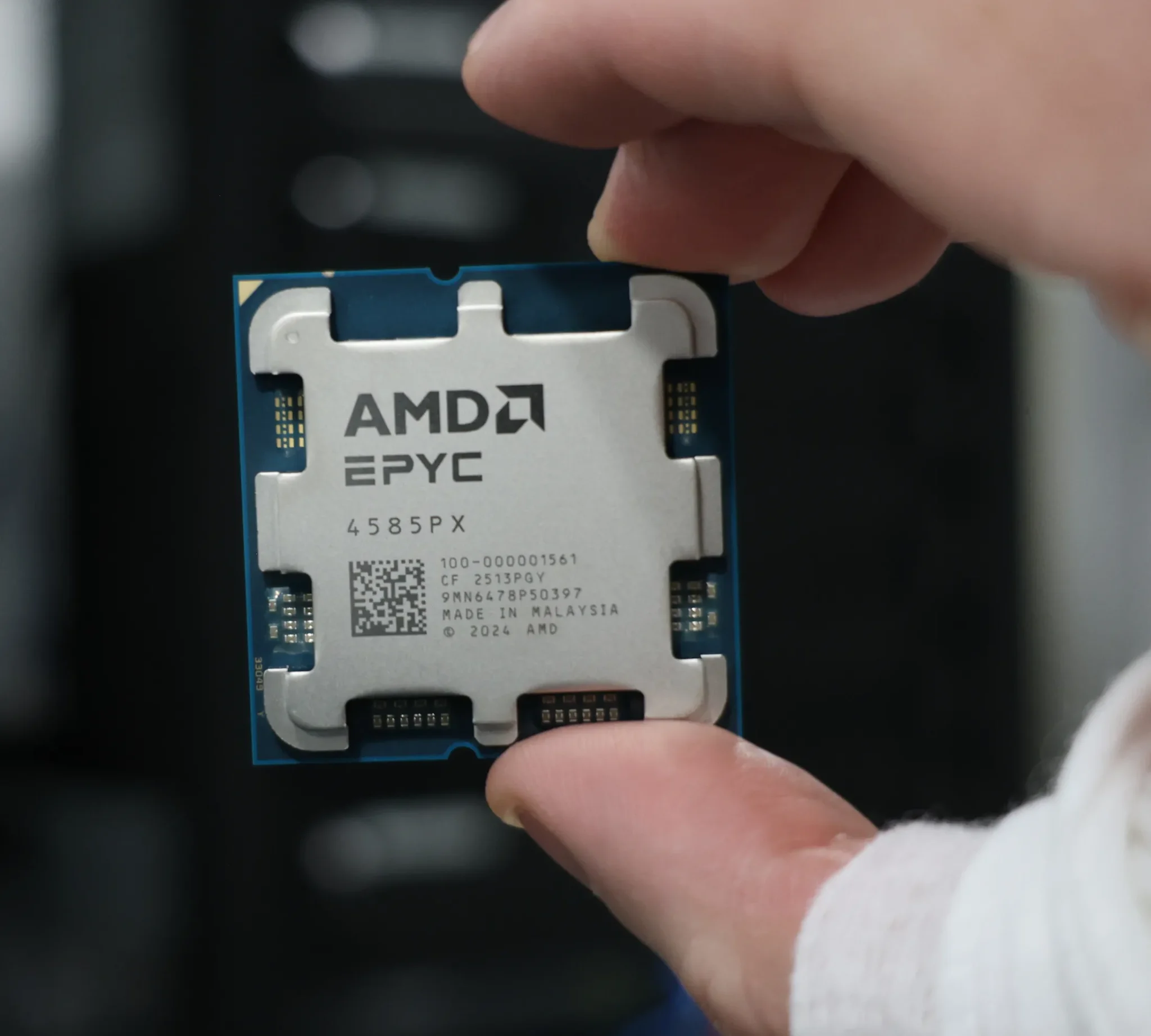
Linux 7.0 Delivers Database Boost on Entry-Level AMD EPYC Systems
Linux 7.0 is showing impressive performance improvements for database workloads on smaller AMD EPYC servers, according to recent benchmarking. Michael Larabel’s tests on a 16-core AMD EPYC 4585PX server revealed significant gains for PostgreSQL, MariaDB, Redis, and CockroachDB—matching similar results seen on larger 128-core EPYC 9755 systems.
Testing Setup and Methodology
The benchmarks compared Linux 6.19 stable with the latest Linux 7.0 Git snapshot (as of 24 February 2026) on a Supermicro AS-3015A-I H13SAE-MF server. The AMD EPYC 4585PX Zen 5 processor ran identical software/hardware configurations, with only kernel defaults differing between versions.
Key Performance Wins
- PostgreSQL: Notable throughput improvements in transaction processing
- MariaDB: Reduced query latency for complex joins
- Redis: 15% faster key-value operations
- CockroachDB: Improved scalability in distributed workloads
Additional gains were observed in OpenVINO and CloverLeaf benchmarks, though most other workloads showed no significant changes. Crucially, no performance regressions were detected in the Linux 7.0 testing.
Why This Matters for Developers
These results are particularly valuable as Linux 7.0 will become the default kernel for Ubuntu 26.04 LTS. The performance consistency across small and large AMD EPYC servers suggests the kernel optimizations are broadly applicable, making it a strong upgrade path for both entry-level and enterprise systems.
Call to Action
Consider testing Linux 7.0 on your AMD EPYC infrastructure to evaluate potential performance boosts. For database-heavy workloads, the gains could justify early adoption of the upcoming kernel release.