Introduction to Linux
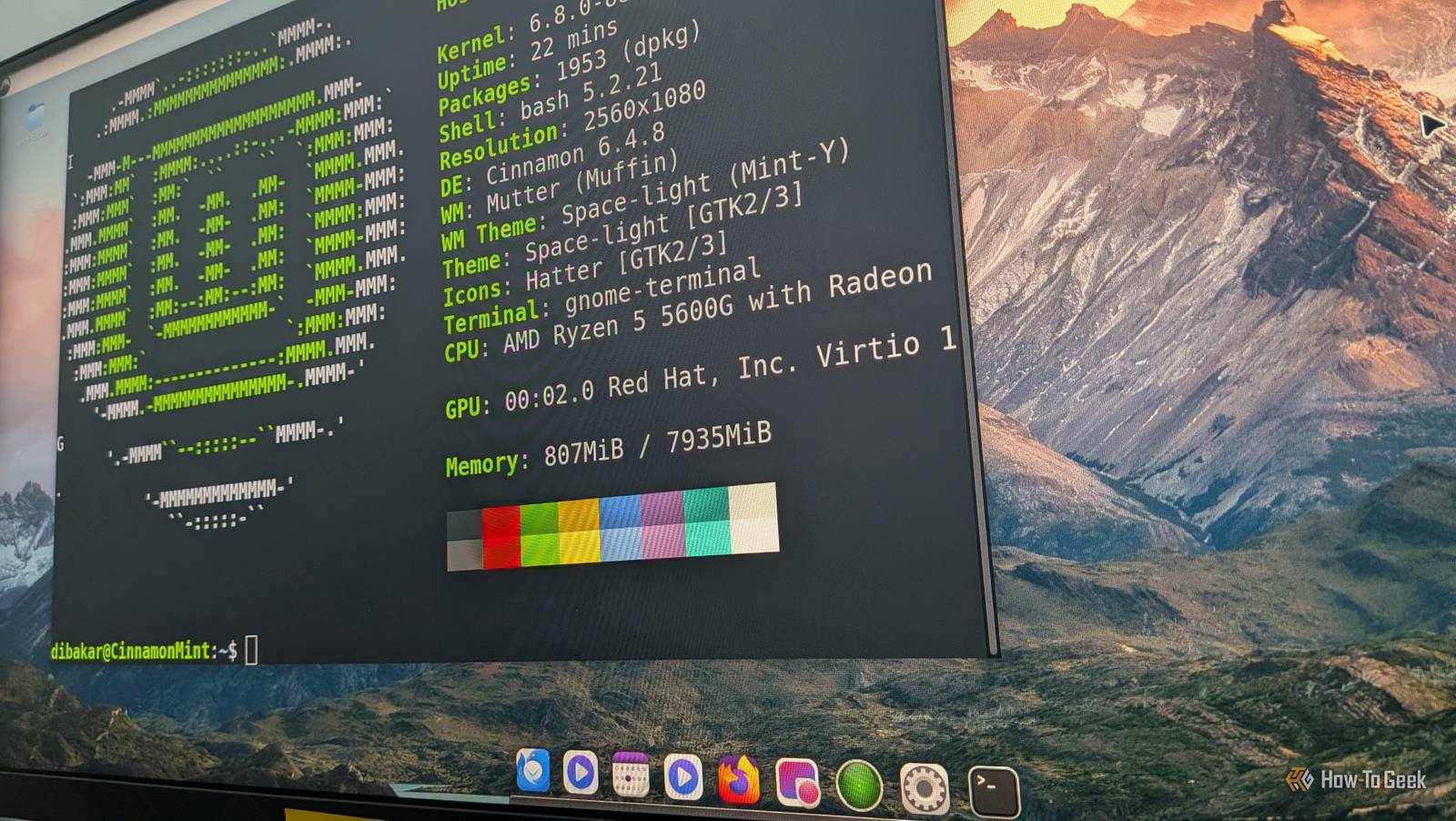
Linux, an operating system known for its flexibility and customizability, offers users a wide range of choices. However, this abundance of options can be overwhelming for new users. Meanwhile, experienced users appreciate the freedom to tailor their system to their specific needs. For example, the variety of desktop environments available, such as GNOME, KDE, and XFCE, allows users to choose the one that best suits their workflow.
Additionally, the numerous distributions, or distros, of Linux, such as Ubuntu, Debian, and Fedora, provide users with different package managers, software repositories, and community support. Therefore, it is essential to consider whether this vast array of choices is a strength or a weakness of the Linux operating system.
The Pros of Linux Choice
On the one hand, the diversity of Linux options enables users to find the perfect fit for their needs. Furthermore, the open-source nature of Linux allows developers to create customized solutions, which can lead to innovative applications and services. For instance, the Linux terminal, with its vast array of commands and scripts, provides users with a powerful tool for automating tasks and streamlining their workflow.
Moreover, the Linux community is known for its active support and extensive documentation, making it easier for users to find help when they need it. However, the sheer number of options can make it difficult for new users to navigate and find the resources they need.
Customization and Flexibility
One of the primary advantages of Linux is its customizability. Users can modify almost every aspect of their system, from the desktop environment to the kernel. Meanwhile, this level of customization can also lead to complexity and compatibility issues. For example, installing a new kernel or updating the system can sometimes cause problems with hardware drivers or software applications.
Additionally, the variety of software packages available for Linux can make it challenging for users to find the best tools for their needs. However, this also means that users have access to a wide range of applications, from productivity software to games, that can enhance their overall computing experience.
The Cons of Linux Choice
On the other hand, the overwhelming number of choices in Linux can be daunting for new users. Furthermore, the lack of standardization across different distros and desktop environments can make it difficult for users to find consistent documentation and support. For instance, the different package managers used by various distros, such as apt, yum, and pacman, can confuse users who are not familiar with the specific commands and syntax.
Meanwhile, the constant updates and changes in the Linux ecosystem can be overwhelming, even for experienced users. Therefore, it is crucial to weigh the pros and cons of Linux choice and consider whether the benefits outweigh the drawbacks.
Fragmentation and Complexity
The fragmentation of the Linux ecosystem, with its many distros and desktop environments, can lead to complexity and inconsistency. However, this also means that users have a wide range of options to choose from, which can be beneficial for those with specific needs or preferences.
Additionally, the rapid pace of development in the Linux community can result in a high volume of updates and changes, which can be challenging for users to keep up with. Nevertheless, this also ensures that Linux remains a dynamic and innovative operating system, with new features and improvements being added regularly.
Conclusion
In conclusion, the choice overload in Linux is a double-edged sword. While it provides users with a wide range of options and customizability, it can also be overwhelming and lead to complexity. However, by understanding the pros and cons of Linux choice, users can make informed decisions and find the perfect fit for their needs.
Ultimately, the key to navigating the Linux ecosystem is to be aware of the options available and to take the time to explore and learn about the different distros, desktop environments, and software packages. By doing so, users can unlock the full potential of Linux and enjoy a tailored computing experience that meets their unique requirements.
Therefore, if you are considering switching to Linux, do not be intimidated by the vast array of choices. Instead, take the opportunity to explore and discover the many benefits that Linux has to offer. With its customizability, flexibility, and active community, Linux can be a powerful and rewarding operating system for users of all levels.