Liquid Glass Interface: A New Era for Apple Devices
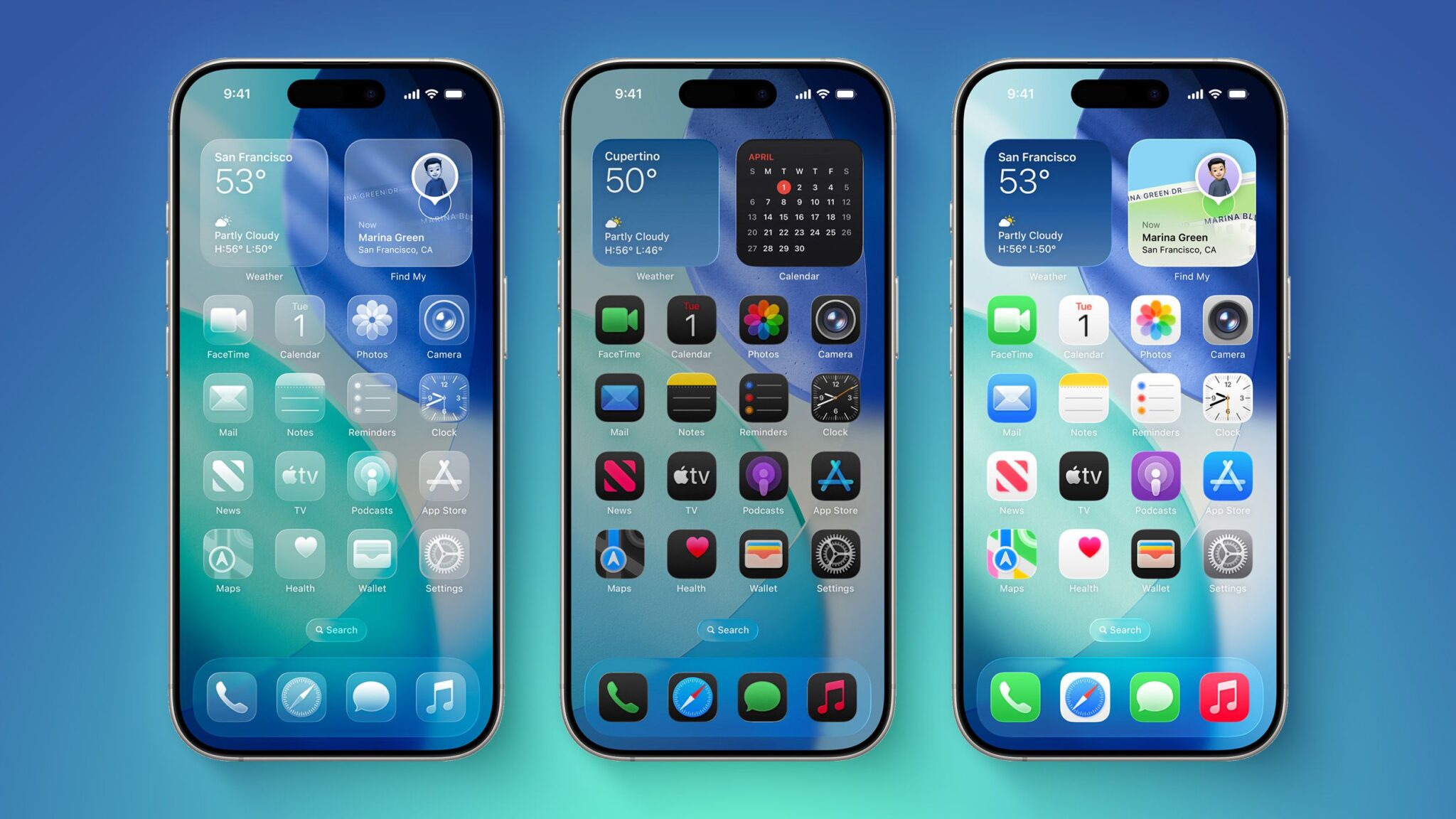
Meanwhile, Apple’s new Liquid Glass interface has been making waves across iOS 26, macOS Tahoe, and other latest software platforms. However, according to Bloomberg’s Mark Gurman, the latest internal versions of iOS 27 and macOS 27 do not have major Liquid Glass design changes. Additionally, Gurman mentioned how Apple’s new software design chief, Steve Lemay, was a driving force behind Liquid Glass and was deeply involved in its development.
Liquid Glass: The Future of Apple’s Design
For example, Lemay joined Apple in 1999 and succeeded Alan Dye, who left Apple for Meta at the end of last year. Therefore, under his leadership, it is likely that Apple will focus on gradually improving Liquid Glass. This would be similar to Apple’s approach with iOS 7, which did away with skeuomorphism in favor of a flat design and was then refined over the years. Furthermore, Apple already provided iPhone users with a few Liquid Glass customization options through software updates.
Meanwhile, iOS 26.1 added a “Tinted” option that increases the opacity of Liquid Glass elements across the system, and iOS 26.2 introduced a slider that allows you to adjust the opacity of Liquid Glass for the Lock Screen’s clock. However, Apple was initially working on a system-wide Liquid Glass slider for iOS 26, but it ran into engineering challenges when trying to extend it across the entire system.
What’s Next for Liquid Glass?
Additionally, Gurman said Apple could go back to the drawing board and manage to get the system-wide slider working in an iOS 27 version. Finally, with Lemay at the helm, we can expect Apple to continue refining and improving Liquid Glass in the coming years. Some potential features that could be added to Liquid Glass include:
- More customization options for users
- Improved performance and efficiency
- New features and functionalities
In conclusion, while there may not be major changes to Liquid Glass in iOS 27 and macOS 27, Apple is likely to continue improving and refining the interface in the coming years. Therefore, users can expect a more polished and feature-rich experience with each new update.
For instance, with the rise of AI-powered design tools, Apple may explore new ways to integrate AI into Liquid Glass, such as using machine learning algorithms to personalize the user experience. Meanwhile, the company may also focus on improving the accessibility features of Liquid Glass, making it easier for users with disabilities to interact with their devices.
Finally, as Apple continues to push the boundaries of innovation and design, we can expect Liquid Glass to play a major role in shaping the future of Apple devices. With its sleek and intuitive interface, Liquid Glass has the potential to revolutionize the way we interact with our devices, and we can’t wait to see what the future holds.
However, it’s worth noting that the development of Liquid Glass is an ongoing process, and Apple may face challenges and setbacks along the way. Nevertheless, with the company’s commitment to innovation and customer satisfaction, we can expect Liquid Glass to continue evolving and improving in the years to come.
In the meantime, users can take advantage of the current features and customization options available in Liquid Glass, and provide feedback to Apple to help shape the future of the interface. By working together, we can create a more seamless and enjoyable user experience that meets the needs of everyone.
Additionally, the impact of Liquid Glass on the tech industry as a whole should not be underestimated. As a pioneer in innovative design, Apple has the power to influence the direction of the industry and inspire other companies to follow suit. Therefore, the development of Liquid Glass is not only important for Apple, but also for the entire tech ecosystem.
Meanwhile, the potential applications of Liquid Glass extend far beyond the realm of Apple devices. For instance, the technology could be used in a variety of fields, such as education, healthcare, and finance, to create more engaging and interactive experiences. However, the key to unlocking the full potential of Liquid Glass lies in its ability to adapt to different contexts and user needs.
Finally, as we look to the future of Liquid Glass, it’s clear that the interface has the potential to revolutionize the way we interact with technology. With its unique blend of style, functionality, and innovation, Liquid Glass is poised to become a game-changer in the world of tech. Therefore, it’s essential to stay tuned for the latest developments and updates on this exciting technology.