Loblaw Data Breach: What You Need to Know
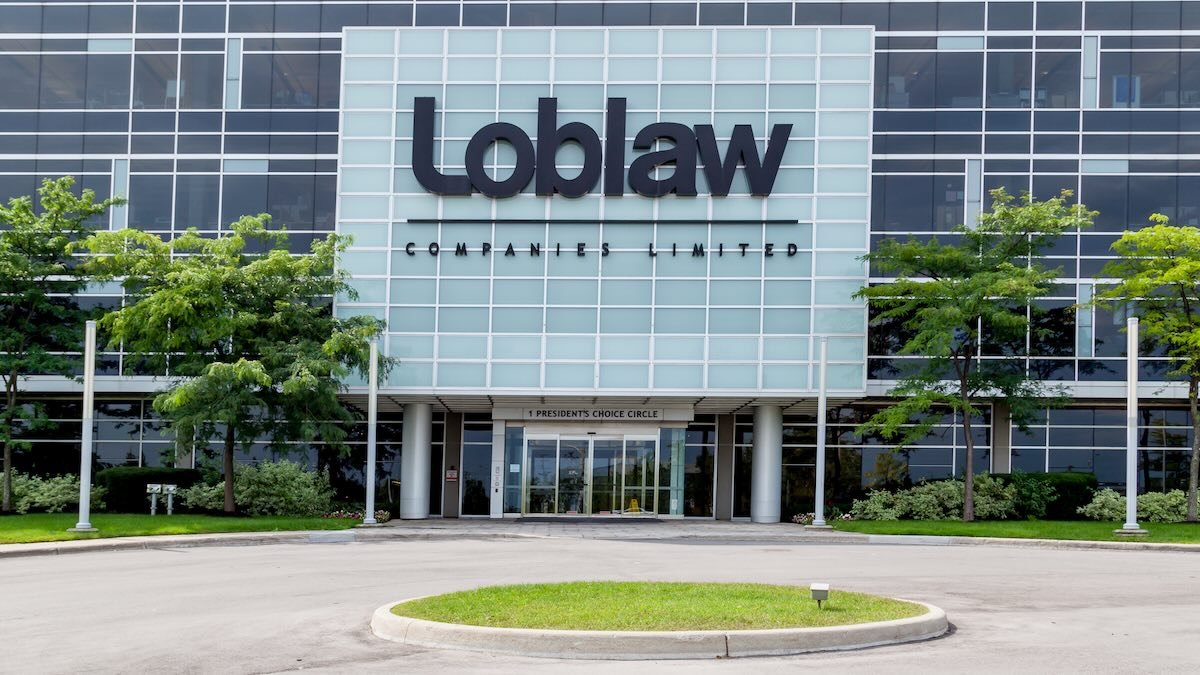
Canadian retail giant Loblaw recently disclosed a cybersecurity incident that exposed customer information, raising concerns about data privacy in the retail sector. As one of Canada’s largest food and pharmacy retailers, Loblaw operates over 2,400 stores and owns brands like Shoppers Drug Mart and Real Canadian Superstore. The breach highlights the growing risks of cyberattacks targeting consumer data.
What Happened in the Loblaw Data Breach?
The breach was discovered after threat actors gained unauthorized access to customer information. Loblaw confirmed that hackers accessed basic details such as names, email addresses, and phone numbers. However, the company emphasized that sensitive data like passwords, health records, and credit card information were not compromised. The investigation also ruled out any impact on PC Financial, a subsidiary of Loblaw.
Timeline and Discovery
Loblaw detected the breach and immediately launched an investigation. While the exact date of the incident remains unclear, the company has not attributed the attack to any known ransomware group. This lack of attribution underscores the challenges of tracing cyberattacks to specific actors.
Scope of the Breach
Though the number of affected customers is still under investigation, the breach has already prompted comparisons to recent incidents at companies like Starbucks and Ericsson. These cases highlight a troubling trend: cybercriminals increasingly target large organizations with vast customer databases.
What Information Was Compromised?
The breach primarily exposed non-financial personal data. Specifically, attackers accessed:
- Names
- Email addresses
- Phone numbers
Loblaw reiterated that no payment information or health records were at risk. However, even basic personal data can be exploited for phishing scams or identity theft, making this breach a cause for concern.
How Loblaw Responded
Loblaw has taken steps to address the breach, including notifying affected customers and cooperating with cybersecurity experts. The company stated, “We are committed to protecting customer data and are working diligently to resolve this issue.”
Communication and Transparency
Transparency has been a key focus for Loblaw. The company provided a detailed statement outlining what data was compromised and what was not. This approach helps customers understand the risks and take appropriate action.
What Customers Should Do Now
If you’re a Loblaw customer, here are steps to protect yourself:
- Monitor your accounts: Watch for suspicious activity on your email and phone lines.
- Enable two-factor authentication: Add an extra layer of security to your online accounts.
- Stay informed: Check Loblaw’s official channels for updates on the breach.
While the risk of financial fraud is low, vigilance is still crucial. Cybercriminals often use stolen contact information to launch follow-up attacks.
Broader Implications for Retail Cybersecurity
The Loblaw breach reflects a larger challenge for the retail industry. As companies collect more customer data, they become prime targets for cyberattacks. Retailers must invest in robust cybersecurity measures, including:
- Regular security audits
- Employee training on phishing threats
- Advanced threat detection systems
Consumers, meanwhile, should remain proactive about protecting their personal information. This incident serves as a reminder that no organization is immune to cyber threats.
Conclusion: Stay Vigilant in a Digital World
The Loblaw data breach is a wake-up call for both businesses and individuals. While the company has taken responsibility for securing customer data, the incident underscores the need for stronger cybersecurity practices across industries. By staying informed and adopting proactive measures, you can reduce your risk in an increasingly digital world.
Take action today: Review your online accounts and consider signing up for credit monitoring services. Cybersecurity is a shared responsibility, and your vigilance can make all the difference.