
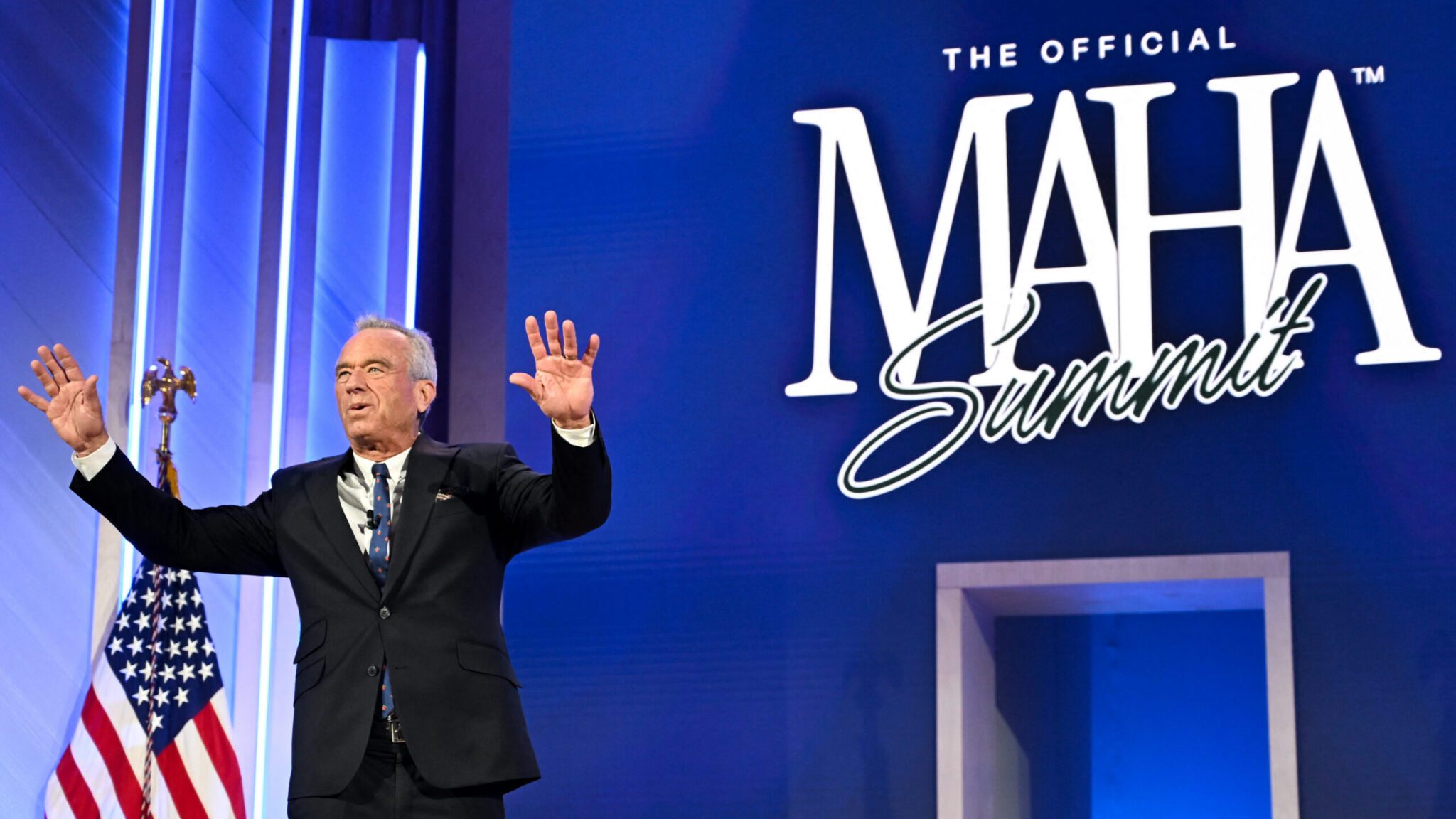
Introduction to the Controversy
In a shocking turn of events, members of the Mothers Against Health America (MAHA) have expressed their outrage and disappointment over Robert F. Kennedy Jr.’s recent support for the use of glyphosate, a widely used pesticide. This move has led to a significant backlash, with many calling the movement a ‘sham’ due to Kennedy’s flip on the issue.
The controversy surrounding glyphosate has been ongoing, with many advocating for its ban due to its potential health and environmental risks. Kennedy, known for his environmental activism, had previously been a vocal critic of glyphosate. However, his recent change of heart has left many of his supporters feeling betrayed.
The MAHA Movement and Its Principles
The MAHA movement was founded on the principles of protecting children’s health and promoting a safe environment. The movement’s core values include advocating for policies that reduce exposure to harmful chemicals and promoting sustainable practices. Kennedy’s support for glyphosate has been seen as a direct contradiction to these values, leading to widespread criticism from MAHA members.
Technical Insights
- Glyphosate is a broad-spectrum herbicide used in many agricultural and non-agricultural settings.
- Studies have linked glyphosate to various health problems, including cancer and neurological disorders.
- The use of glyphosate has also been linked to environmental degradation, including the destruction of biodiversity and water pollution.
- Many countries have implemented restrictions or bans on the use of glyphosate due to its potential risks.
Impact on the Movement and Its Future
The fallout from Kennedy’s support for glyphosate has been significant, with many questioning the movement’s credibility and effectiveness. The loss of trust in leadership can have long-lasting effects on a movement, making it challenging to regain momentum and achieve its goals. As the MAHA movement navigates this crisis, it will be essential to address the concerns of its members and the broader community.
In the coming months, the movement will need to reassess its priorities and strategies to ensure that it remains true to its core values. This may involve re-evaluating partnerships and alliances, as well as engaging in open and honest dialogue with its supporters. By doing so, the MAHA movement can work towards healing and rebuilding trust, ultimately emerging stronger and more resilient.








