Maine Sweeps Ban: What You Need to Know
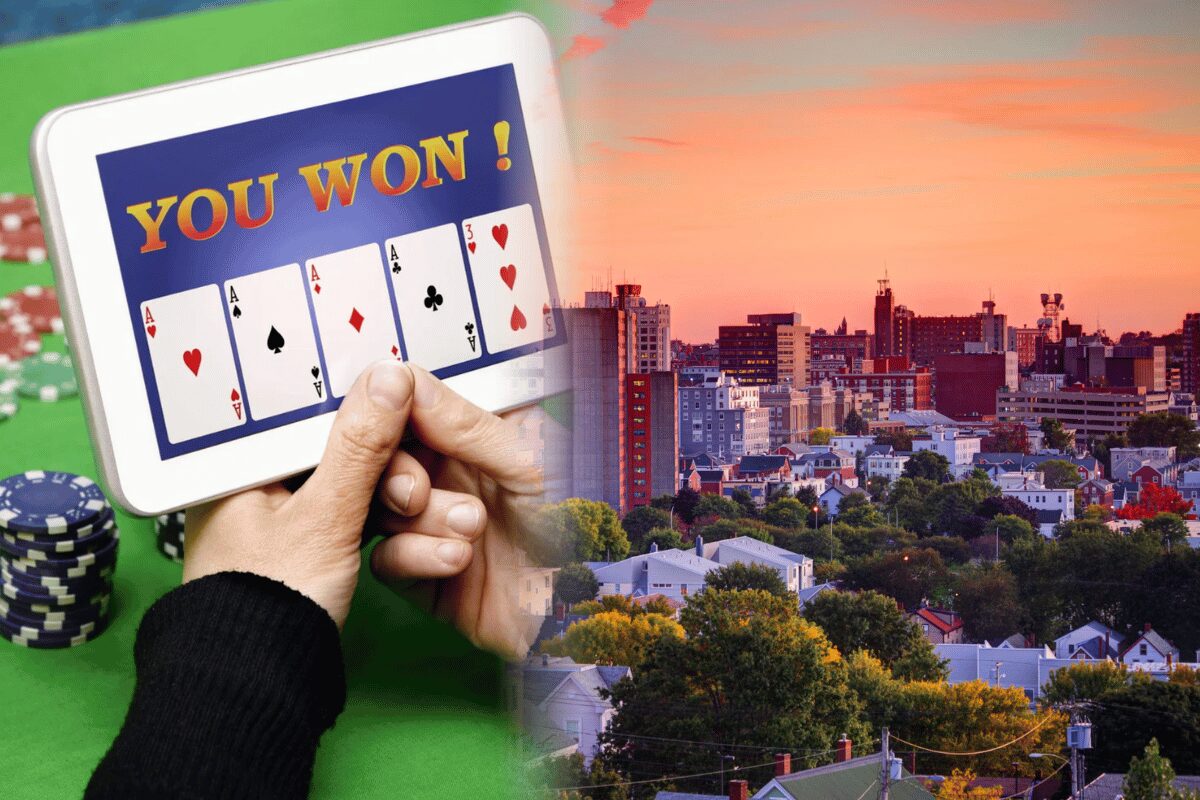
Legislators in Maine are moving forward with a proposal to ban online sweepstakes games that mimic casino-style gambling. The bill, LD 2007, has sparked a heated debate between lawmakers, industry advocates, and residents who see these platforms as a form of entertainment. Here’s a breakdown of the key details and implications.
What Is the Maine Sweepstakes Ban?
Officially titled An Act Regarding the Prohibition of Online Sweepstakes Games, the bill targets platforms that use dual-currency systems to simulate gambling experiences. These sites allow users to purchase virtual credits while earning another currency redeemable for prizes. Supporters argue this structure closely resembles real-money gambling and exploits legal loopholes.
The legislation defines “online sweepstakes games” as platforms offering slot machine, poker, or lottery-style mechanics. If passed, operating or promoting these games would become a civil violation, with fines ranging from $10,000 to $100,000. Funds from penalties would go to Maine’s Gambling Addiction Prevention and Treatment Fund.
Supporters’ Argument: Closing Legal Gaps
Proponents, including Sen. Craig Hickman, claim the bill addresses a critical gap in state gambling law. They argue that these platforms prey on users by mimicking casino games while avoiding existing regulatory frameworks. For example:
- Operators could face license revocation if licensed gambling entities are found involved.
- Individuals violating the law could be barred from future gaming-related licenses.
“These games are designed to hook players with gambling-like mechanics,” said one supporter. “Closing this loophole protects consumers and aligns with responsible gaming principles.”
Industry Pushback: A Free-to-Play Sector at Risk
The Social Gaming Leadership Alliance (SGLA), representing sweepstakes platforms, has strongly opposed the bill. They argue that these games are free-to-play and rely on promotional sweepstakes rather than real-money wagering. Key points from their stance include:
- Approximately 50,000 Maine adults regularly use these platforms.
- Estimates suggest a regulated market could generate $3 million annually for the state.
- Proposed safeguards like age verification and geolocation tools could address concerns without a ban.
“Banning these games would push operators offshore and eliminate a legitimate entertainment option,” said an SGLA representative. “Regulation, not prohibition, is the solution.”
What’s Next for the Legislation?
As of March 12, 2026, LD 2007 has cleared the Maine Senate and is now in the concurrence phase. If both chambers approve it and the governor signs it, the law would take effect by year’s end. Critics warn this could disrupt a growing sector, while supporters see it as a necessary step to protect public interests.
Conclusion: A Divisive but Timely Debate
The Maine sweepstakes ban highlights a national trend as states like Indiana and Tennessee also scrutinize similar platforms. While the bill aims to curb gambling-like risks, it raises questions about how to balance regulation with innovation in digital entertainment. Follow this space for updates, and consider sharing your perspective on how states should approach these evolving technologies.