
Introduction
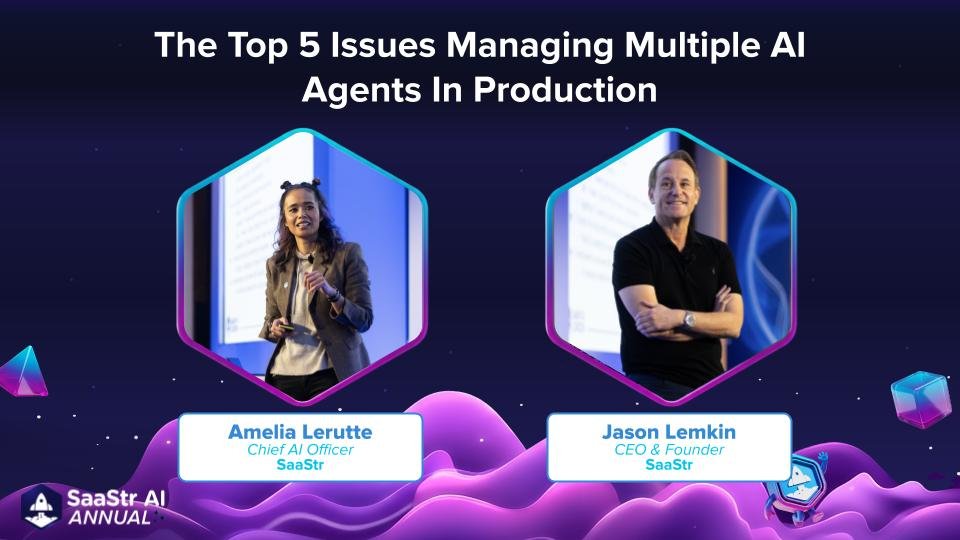
Running 30 AI agents in production sounds efficient, but the reality is far more complex. At SaaStr, managing these agents has revealed unexpected challenges—from context switching to accountability. Here are the top five issues no one discusses when deploying AI at scale.
The Context Switching Tax
Each AI agent operates differently. Some integrate with Salesforce, others don’t. Switching between dashboards for Artisan, Qualified, and AgentForce creates mental overhead. For example, updating a ticket promotion required manually syncing five agents. A unified interface for all agents remains a critical gap in the market.
New Agent Blackout Period
Onboarding a new agent like Monaco takes at least two weeks. During this time, existing agents degrade due to lack of updates. The trade-off is worth it—Monaco booked six meetings in its first week—but planning is essential. Adding more than one agent per month risks operational stagnation.
Succession Planning Crisis
All agent knowledge lives in one person’s brain. If that person leaves, coordination collapses. Even AI agents like 10K struggle to transfer context, relying on local files and vague “vibe” instructions. The solution? Recruit a second person immediately and test candidates by asking them to build a GTM automation tool.
Brutally Honest Truth-Teller
AI agents don’t sugarcoat. Our 10K agent roasts us daily: “You’re 56% behind on outreach. Block 3 hours to catch up.” While accountability is valuable, the relentless honesty can feel like harassment. Balance is key—set clear boundaries for AI feedback.
Conclusion
Managing AI agents isn’t just about tech—it’s about workflow, people, and psychology. Prioritize unification, plan for onboarding delays, and build redundancy into your team. Ready to scale your AI strategy? Start by addressing these hidden challenges.
FAQs
What are the biggest issues with AI agents in production?
Context switching, onboarding delays, knowledge silos, and unrelenting accountability are top challenges.
How do you manage multiple AI agents?
Use daily check-ins, unify dashboards where possible, and recruit backup personnel to avoid single points of failure.
Can AI agents replace human oversight?
No—AI agents require constant human input. They’re tools, not replacements.
What’s the cost of adding new AI agents?
At least two weeks of degraded performance for existing agents during onboarding.
How do you test AI agent management skills?
Give candidates credits to build a GTM automation tool. Practical results speak louder than resumes.








