Master Cloud Repatriation with Self-Service Dev Platforms
Cloud repatriation is notoriously complex. Migrating workloads back to on-premises environments or consolidating cloud providers demands precision, collaboration, and tools that empower developers—not slow them down. The solution? A self-service developer platform designed to streamline cloud repatriation while maintaining agility and governance.
Why Cloud Repatriation Fails Without the Right Tools
Repatriation projects often stall due to fragmented workflows, manual processes, and lack of developer autonomy. Teams struggle with inconsistent environments, delayed approvals, and shadow IT. For example, a 2023 Gartner study found that 68% of organizations face delays in repatriation due to poor tooling and governance gaps.
Common Pain Points
- Manual provisioning of infrastructure
- Lack of visibility into resource usage
- Slow approval cycles for environment changes
- Security risks from unapproved cloud services
How Self-Service Platforms Solve Cloud Repatriation Challenges
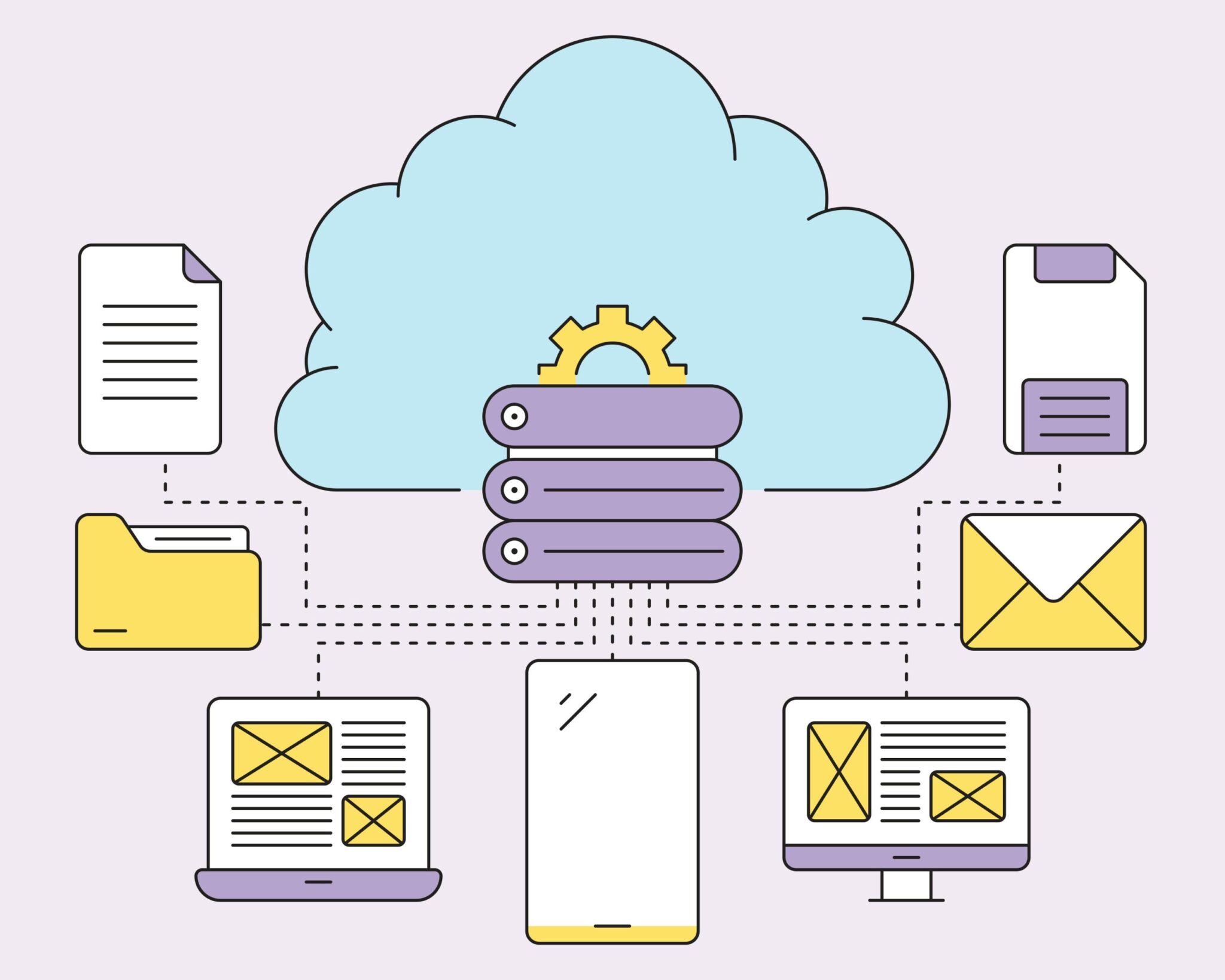
A self-service developer platform acts as a centralized hub for managing repatriation workflows. By giving developers controlled access to resources while enforcing governance, these platforms reduce friction and accelerate migration. Let’s break down the key components:
1. Automated Infrastructure Provisioning
Eliminate manual requests with pre-approved templates for environments. Developers can spin up servers, databases, or containers in minutes, ensuring consistency across on-prem and cloud setups.
2. Governance Without Bureaucracy
Set policies for resource limits, cost controls, and compliance. For instance, restrict access to specific cloud regions or enforce encryption standards automatically.
3. Real-Time Collaboration Tools
Integrate with CI/CD pipelines, monitoring systems, and ticketing platforms. Teams can track progress, resolve issues, and maintain audit trails—all within a single interface.
5 Steps to Build a Self-Service Platform for Repatriation
- Define Governance Boundaries: Establish clear rules for access, costs, and compliance.
- Choose a Cloud-Native Platform: Opt for tools like Kubernetes, Terraform, or AWS CloudFormation for flexibility.
- Embed Security by Default: Automate vulnerability scans and enforce least-privilege access.
- Train Developers: Provide documentation and sandbox environments for onboarding.
- Monitor and Iterate: Use analytics to identify bottlenecks and refine workflows.
Real-World Example: TechCo’s Repatriation Success
When TechCo migrated 200+ microservices from AWS to on-prem, they faced delays due to manual provisioning. By implementing a self-service platform with automated templates and cost tracking, they reduced deployment time by 40% and cut cloud costs by $2.1M annually.
Conclusion: Empower Developers, Simplify Repatriation
Cloud repatriation doesn’t have to be a nightmare. A self-service developer platform balances autonomy with governance, turning a complex process into a strategic advantage. Start small, iterate quickly, and watch your team reclaim control of their infrastructure.
Ready to transform your repatriation strategy? Explore our free template for building a self-service platform or join our webinar on cloud governance best practices.
FAQs
What is cloud repatriation, and why is it challenging?
Cloud repatriation involves moving workloads back to on-premises systems or consolidating cloud providers. Challenges include fragmented workflows, governance gaps, and developer resistance to manual processes.
How do self-service platforms reduce repatriation costs?
By automating provisioning and enforcing cost controls, these platforms eliminate waste from over-provisioning and reduce time spent on manual tasks.
Can small teams benefit from self-service platforms?
Absolutely. Start with lightweight tools like GitHub Actions or HashiCorp Terraform to automate basic workflows before scaling to enterprise solutions.
What role does security play in repatriation?
Security is critical. Platforms should include automated compliance checks, encryption, and role-based access controls to protect data during migration.
How do you measure repatriation success?
Track metrics like deployment speed, cost savings, and developer satisfaction. Use dashboards to monitor progress in real time.