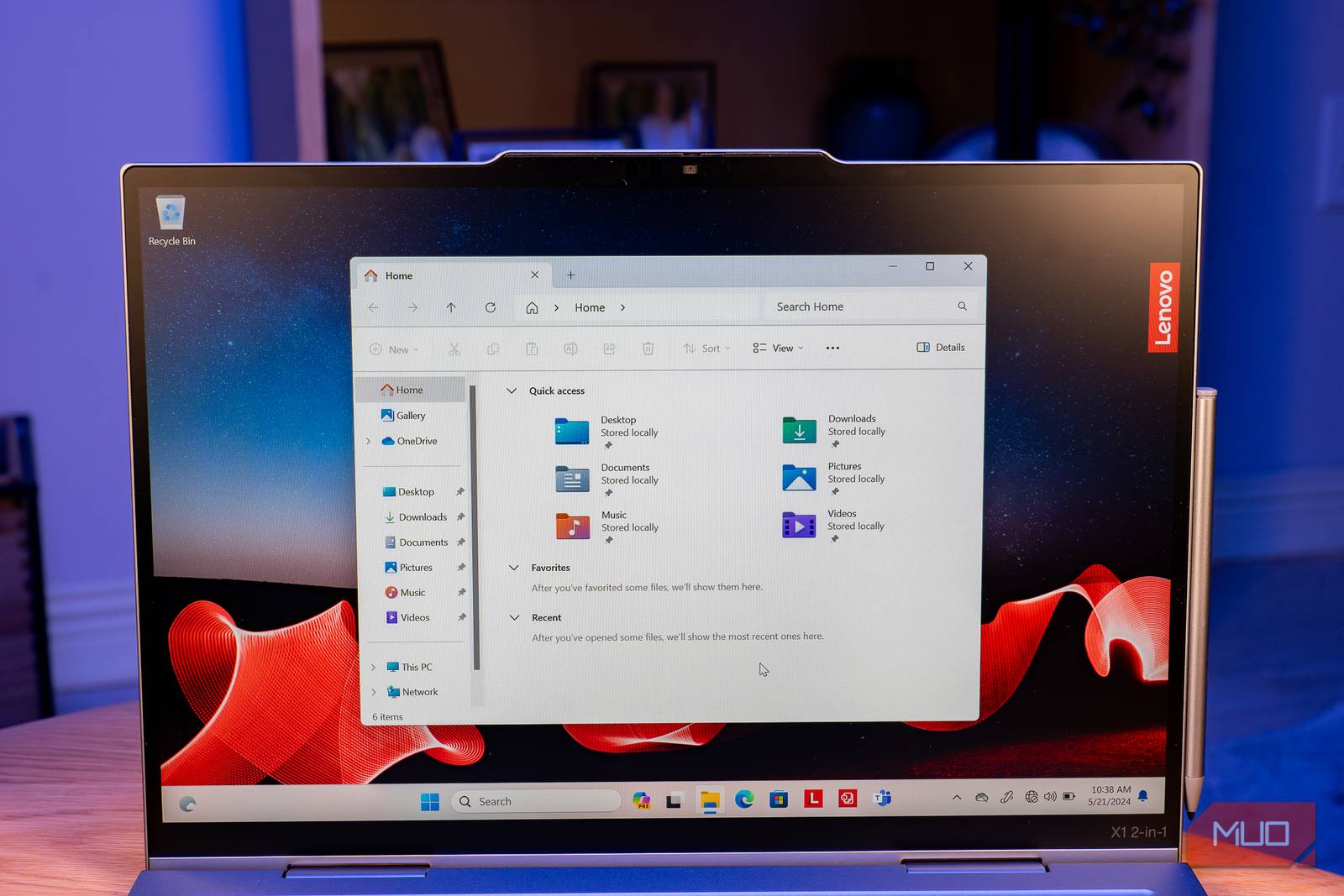
Master File Explorer: 5 Hidden Tips You’re Missing
Imagine spending years using Windows File Explorer the same way—only to discover shortcuts that could have saved you hours. This is a common story for many users. The truth? Most people overlook powerful features built into this essential tool. Let’s fix that.
Why You’re Using File Explorer Wrong
File Explorer isn’t just for browsing files. It’s a productivity powerhouse hiding in plain sight. A 2024 Microsoft survey found that 78% of Windows users only use 20% of File Explorer’s capabilities. Here’s how to unlock the rest.
1. Master the Quick Access Toolbar
Quick Access is your shortcut hub. Add frequently used folders by right-clicking them and selecting Pin to Quick Access. For example, if you work with design files daily, pin your project folders here for instant access.
Pro Tip:
- Customize Quick Access by dragging folders from the main window
- Use Ctrl + E to clear search history instantly
2. Use the Search Bar Like a Pro
The search bar does more than find files. Type kind:pdf to filter documents, or date:2024-01-01..2024-12-31 to find files from a specific year. These filters work for images, emails, and more.
Advanced Search Operators:
- type: Filter by file type (e.g., type:docx)
- size: Find files by size range (e.g., size:1MB..10MB)
3. Keyboard Shortcuts That Save Time
Keyboard shortcuts transform your workflow. Press Ctrl + Shift + N to create a new folder instantly. Use Alt + D to jump directly to the address bar. These tricks reduce mouse dependency and speed up tasks.
Must-Know Shortcuts:
- Ctrl + Shift + E: Open the parent folder
- Ctrl + Shift + V: Paste without formatting
- Alt + Up Arrow: Navigate up one folder level
4. Organize with Custom Folders
Create custom folders for recurring tasks. For instance, set up a “Client Projects” folder with subfolders for each client. Use color-coded tags (right-click > Properties > Tags) to categorize files visually.
Organization Hacks:
- Use Alt + Enter to rename files quickly
- Drag-and-drop files between folders using Ctrl + X/C/V
5. Leverage File History for Safety
Enable File History to automatically back up important folders. Go to Settings > Update & Security > Backup and select folders to protect. This feature recovers deleted files or versions from past dates.
Backup Best Practices:
- Back up to an external drive for extra security
- Review File History settings monthly
Conclusion: Boost Your Productivity Today
File Explorer is more than a file browser—it’s a productivity tool waiting to be mastered. By using these techniques, you’ll save time and reduce frustration. Start applying these tips now to streamline your workflow.
Ready to take your skills further? Share your favorite File Explorer tricks in the comments below!
Published Mar 12, 2026, 8:00 AM EDT