Maximizing Grid Utilization: Smart Solutions for Lower Costs
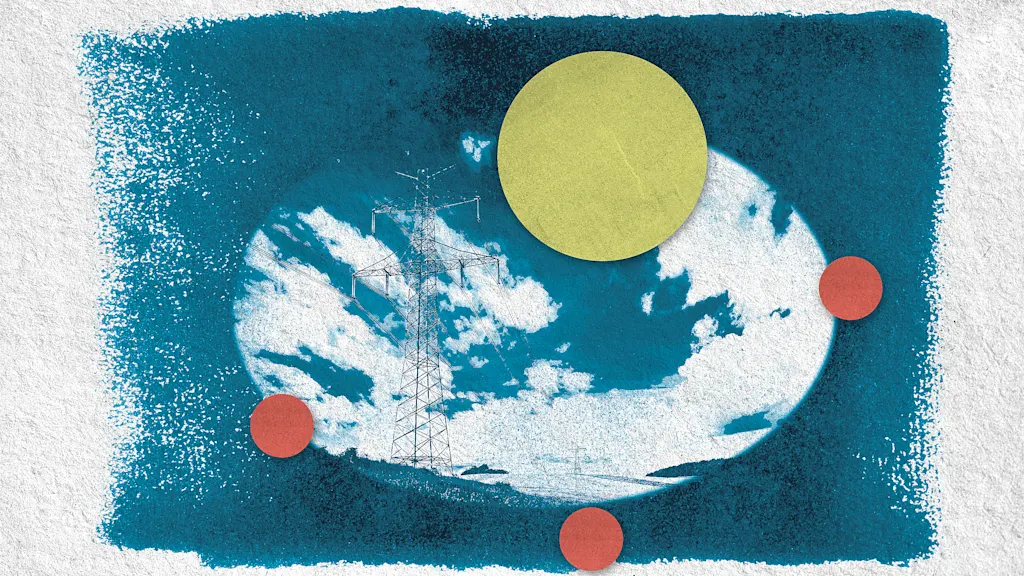
Electricity demand is surging globally, driven by electric vehicles, data centers, and climate-driven energy needs. Traditionally, utilities respond by building new power plants and infrastructure—a costly and time-consuming solution. However, a groundbreaking report from the cross-industry coalition Utilize reveals a smarter alternative: unlocking unused grid capacity through innovative grid utilization solutions. This approach could save consumers $110 billion to $170 billion over the next decade while making the grid more resilient and affordable.
What Is Grid Utilization and Why Does It Matter?
The modern power grid was designed to handle peak demand—those sweltering summer afternoons when air conditioners strain the system. As a result, roughly 50% of grid capacity sits idle most of the time. Grid utilization solutions aim to tap into this untapped potential by shifting energy use to off-peak hours and leveraging new technologies to optimize existing infrastructure.
Key Benefits of Grid Utilization
- Reduces the need for new power plants and infrastructure
- Lowers electricity costs for consumers
- Enhances grid resilience during extreme weather
- Supports the transition to renewable energy
Innovative Grid Utilization Solutions
Several technologies and strategies are already making grid utilization a reality:
1. Smart Thermostats and Load Flexibility
Smart thermostats can pre-cool homes during low-demand hours, reducing strain on the grid during peak times. Similarly, large energy users like data centers can shift their operations to off-peak periods. This load flexibility ensures existing infrastructure works harder without costly upgrades.
2. Electric Vehicles as Grid Assets
Electric vehicles (EVs) aren’t just consumers of energy—they can also be part of the solution. By charging during low-demand hours or even sending power back to the grid (a process called vehicle-to-grid), EVs help balance supply and demand. Utilities are already testing programs that pay EV owners to charge their cars at optimal times.
3. Home Batteries and Virtual Power Plants
Startups like Base Power are deploying home battery networks that store excess energy during low-demand periods and release it when needed. These virtual power plants act as decentralized energy resources, reducing the need for centralized infrastructure. Homeowners benefit from lower bills and backup power, while utilities gain a flexible energy source.
4. Advanced Grid Management Software
Modern sensors and software can optimize how transmission lines operate, allowing them to carry more power safely. These tools also enable real-time adjustments to energy distribution, preventing outages and improving efficiency.
Real-World Impact and Savings
The Utilize report models the potential of grid utilization solutions at a national scale. By increasing grid utilization by just 10% as demand grows, the report estimates savings of $110 billion to $170 billion over the next decade. These savings come from two key areas:
- Direct Cost Reductions: Shared infrastructure costs mean lower electricity bills for everyone.
- Incentive Programs: Utilities already offer rebates for off-peak energy use, and these programs can expand with better grid utilization.
For example, virtual power plant programs in California and Texas have demonstrated how distributed energy resources can meet demand without new infrastructure. Base Power’s model shows how home batteries can generate revenue for both consumers and utilities while stabilizing the grid.
The Path Forward for Grid Utilization
Adopting grid utilization solutions requires collaboration across industries. Google, Tesla, and other members of the Utilize coalition are already investing in these technologies. However, widespread adoption depends on three factors:
1. Policy Support
Regulators must create incentives for utilities to prioritize grid utilization over traditional infrastructure. This includes updating rules to allow virtual power plants and dynamic pricing models.
2. Consumer Participation
Programs that reward consumers for shifting energy use—like time-of-use pricing or demand response incentives—need to be more widely adopted. Education and transparency will be key to encouraging participation.
3. Technological Integration
Utilities must invest in smart grid technologies and interoperable systems. This includes upgrading software platforms to manage distributed energy resources and real-time data analytics.
Why Grid Utilization Is a Near-Term Solution
Unlike long-term projects like nuclear power plants or transmission line expansions, grid utilization solutions can be deployed quickly. As Ian Magruder, executive director of Utilize, explains, “This isn’t about waiting for the future—it’s about using the grid we already have more efficiently.”
The report emphasizes that grid utilization isn’t a silver bullet but a critical component of a broader energy strategy. When combined with renewable energy and energy storage, it creates a more sustainable and affordable power system.
Conclusion: Embrace Grid Utilization for a Smarter Energy Future
The path to affordable, reliable electricity doesn’t always require building more. By maximizing grid utilization through smart technologies and collaborative strategies, we can unlock billions in savings while preparing for the energy demands of tomorrow. For consumers, utilities, and policymakers, the message is clear: the future of energy is about using what we have more wisely.
Ready to explore grid utilization solutions for your business or home? Start by researching local utility programs or investing in smart energy technologies like home batteries and EVs. Every small change adds up to a more resilient grid for everyone.