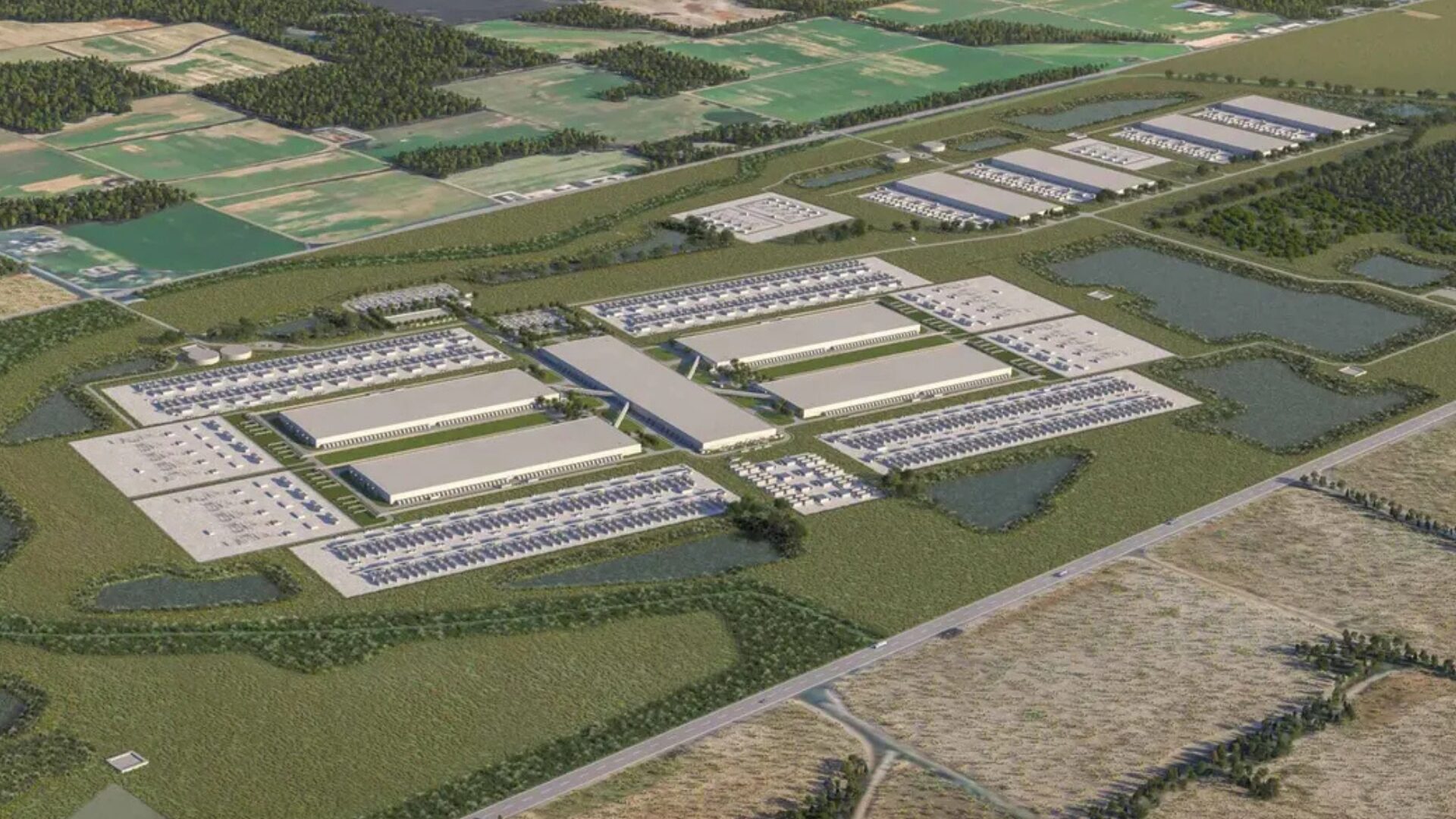
Meta Funds 7-GW Power Plants for AI Data Centers
Artificial intelligence is hungry for power. As AI models grow more complex, so does their demand for reliable, high-capacity energy. Now, Meta has taken a bold step to future-proof its AI infrastructure: partnering with Entergy to build seven natural gas power plants in Louisiana. This move will deliver 7 gigawatts of electricity to fuel Meta’s AI data centers, addressing a critical challenge in the tech industry.
Why AI Needs More Power
Training large AI models requires massive computational resources. Data centers run 24/7, consuming energy equivalent to small cities. For example, Meta’s AI division alone uses as much power as 100,000 homes annually. Without stable energy sources, AI innovation grinds to a halt.
Key Challenges
- Fluctuating energy costs
- Grid reliability during peak demand
- Environmental impact of fossil fuels
Meta’s Power Plant Partnership
Meta’s collaboration with Entergy aims to solve these issues head-on. The Louisiana project will generate 7 gigawatts of power—enough to support 1.4 million homes—specifically for Meta’s AI facilities. Here’s what makes this partnership unique:
- Location: Louisiana’s energy grid is already robust, reducing infrastructure costs.
- Scalability: The plants can expand as Meta’s AI needs grow.
- Reliability: Natural gas provides consistent power, avoiding renewable energy’s intermittency.
Technical Breakdown
- 7 GW Output: Equivalent to 7,000 megawatts of continuous power.
- AI Workloads: Supports training of models like Meta’s Llama 3 and future AI systems.
- Grid Integration: Entergy’s existing infrastructure ensures seamless delivery.
Implications for the AI Industry
This partnership sets a precedent for how tech companies will power AI in the coming decade. While critics argue for renewable energy, Meta’s approach balances practicality with scalability. For now, natural gas remains a bridge to a greener future.
Broader Impact
Other companies may follow suit, investing in energy infrastructure rather than relying on public grids. This shift could lead to:
- Increased energy costs for smaller AI startups
- Accelerated development of hybrid energy solutions
- Greater scrutiny of AI’s environmental footprint
What This Means for You
If you’re in AI development, energy planning is no longer optional. Whether you’re building models or managing data centers, understanding power dynamics is critical. Consider these actionable steps:
- Assess energy needs: Map out your AI workloads’ power consumption.
- Explore partnerships: Collaborate with energy providers for tailored solutions.
- Monitor sustainability: Balance performance with environmental goals.
Conclusion
Meta’s 7-GW power plant project is a game-changer for AI infrastructure. By securing dedicated energy sources, the company ensures its AI ambitions remain uninterrupted. As AI reshapes industries, energy strategy will become a defining factor in competitive advantage.
Ready to future-proof your AI projects? Share your thoughts in the comments—how will energy challenges shape your AI roadmap?