Introduction
Micro-LED TVs promise stunning visuals and massive screen sizes, but their sky-high prices remain a barrier for most consumers. A recent report reveals the staggering costs behind manufacturing these TVs—and why we shouldn’t expect prices to drop anytime soon.
The High Cost of Micro-LED TVs
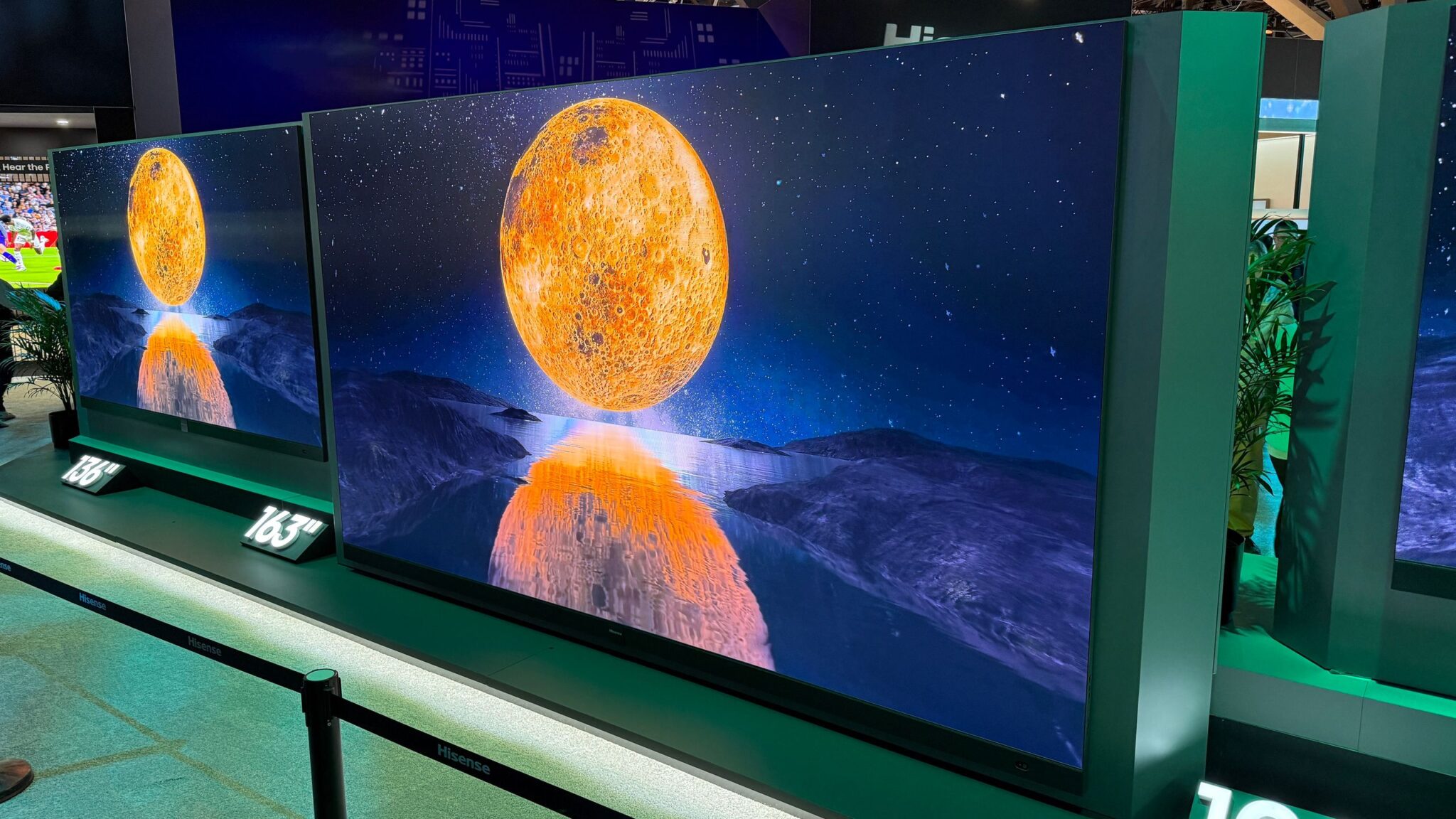
According to a new analysis by UBI Research, the bill of materials (BOM) for a 101-inch micro-LED TV clocks in at around $52,000. That’s just the manufacturing cost before adding overhead, profit margins, or shipping. For context, a 98-inch mini-LED TV from TCL costs $5,999, while a 116-inch RGB TV from Hisense retails for $29,999. Micro-LED’s price tag is significantly higher due to its complex production process.
Breakdown of Micro-LED Manufacturing Costs
- Pixel Layer: $28,913 (largest single cost)
- Backplane: $15,932
- Mainboard: $4,188
- Driving Circuit Module: $1,168
- Backing Plate: $1,325
Why Micro-LED TVs Are So Expensive
Micro-LED’s high cost stems from two key factors:
1. Manufacturing Complexity
Unlike OLED or mini-LED, micro-LED requires precise alignment of millions of tiny LED chips. This process is labor-intensive and prone to defects, reducing production efficiency. Established technologies like OLED benefit from economies of scale, but micro-LED is still in its infancy.
2. Low Yield Rates
Even minor imperfections in the pixel layer render entire panels unusable. Dr. Joohan Kim of UBI Research notes that improving process yield and vertical integration will be critical for reducing costs.
The Road to Affordability
While current costs are prohibitive, the future looks brighter. Micro-LED’s modular design allows for smaller, mass-produced panels that can be combined into larger displays. This scalability could eventually lower per-unit costs. However, industry experts predict it may take 5+ years for micro-LED TVs to become mainstream.
Alternatives for Now
If you’re not ready to wait (or spend), consider these options:
- Mini-LED TVs: Affordable large-screen options like the TCL QM9K.
- OLED TVs: Premium picture quality at a lower price than micro-LED.
- RGB Mini-LED TVs: High-end models like Hisense’s 116UX offer next-gen performance.
Conclusion
Micro-LED TVs are a technological marvel, but their costs remain out of reach for most. Until manufacturing processes improve, stick with current-gen options. For now, the future of TV tech is bright—but expensive.