Microsoft Authenticator Vulnerability Exposes Login Codes to Malware
A critical security flaw in Microsoft Authenticator could let malicious apps steal sensitive login codes from users’ devices. The vulnerability, tracked as CVE-2026-26123, affects both Android and iOS versions of the app, which over 75 million people rely on for multi-factor authentication (MFA). Here’s what you need to know to protect your accounts.
What Is the Microsoft Authenticator Vulnerability?
Discovered by security researchers, the flaw centers on deep links—special URLs that open specific app functions. Attackers exploit this by tricking users into installing a malicious app that intercepts authentication data. Once installed, the malware can capture one-time codes or sign-in links meant for Microsoft Authenticator.
This vulnerability is particularly dangerous because MFA codes are the last line of defense for many online accounts. Compromised codes could grant attackers access to emails, cloud storage, and other sensitive services.
How the Attack Works
Step-by-Step Breakdown
- Malicious App Installation: Users unknowingly download a harmful app from untrusted sources.
- Deep Link Hijacking: When a user attempts to log in via Microsoft Authenticator, the malicious app intercepts the deep link.
- Data Theft: The malware captures the login code or sign-in link, which attackers can then use to bypass MFA protections.
Importantly, this attack requires physical access or social engineering to install the malicious app. However, the risk remains high given the app’s widespread use.
The Patch and Immediate Fixes
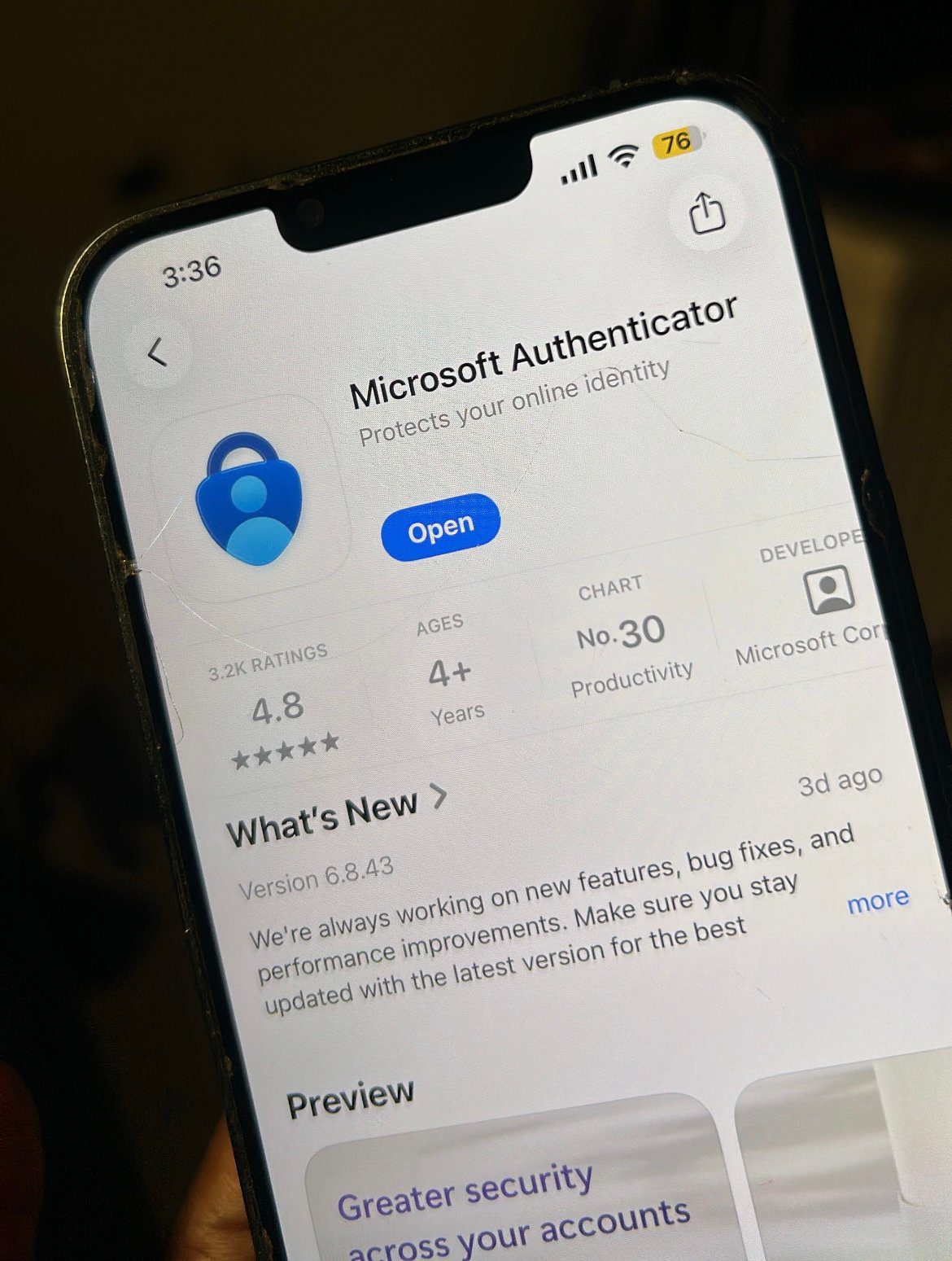
Microsoft has already released updates to address CVE-2026-26123. Users are urged to update the app immediately via the Apple App Store (iOS) or Google Play Store (Android). If updates aren’t possible, follow these steps:
- Only install apps from trusted sources.
- Verify that deep links open in the Microsoft Authenticator app, not third-party apps.
- Enable app permissions carefully and review installed apps regularly.
Upcoming Security Changes by Microsoft
Microsoft is also rolling out stricter security measures for enterprise users. Starting in late 2026, the company will block Microsoft Authenticator on jailbroken or rooted devices. This change aims to prevent attackers from exploiting modified operating systems to bypass security features.
The rollout will begin with warnings for affected users, followed by full authentication restrictions by mid-2026. Organizations using Microsoft Entra ID should prepare for these updates to maintain compliance and security.
Protect Your Accounts Now
While Microsoft has patched this vulnerability, proactive steps are essential. Update your app, avoid suspicious downloads, and monitor account activity for unusual logins. For enterprise users, consider additional MFA methods like hardware tokens for critical accounts.
Stay informed about emerging threats by subscribing to cybersecurity newsletters and following trusted security blogs. Your vigilance is the best defense against evolving cyber risks.