
Microsoft Expands Windows 365 Cloud PC Strategy with ASUS and Dell
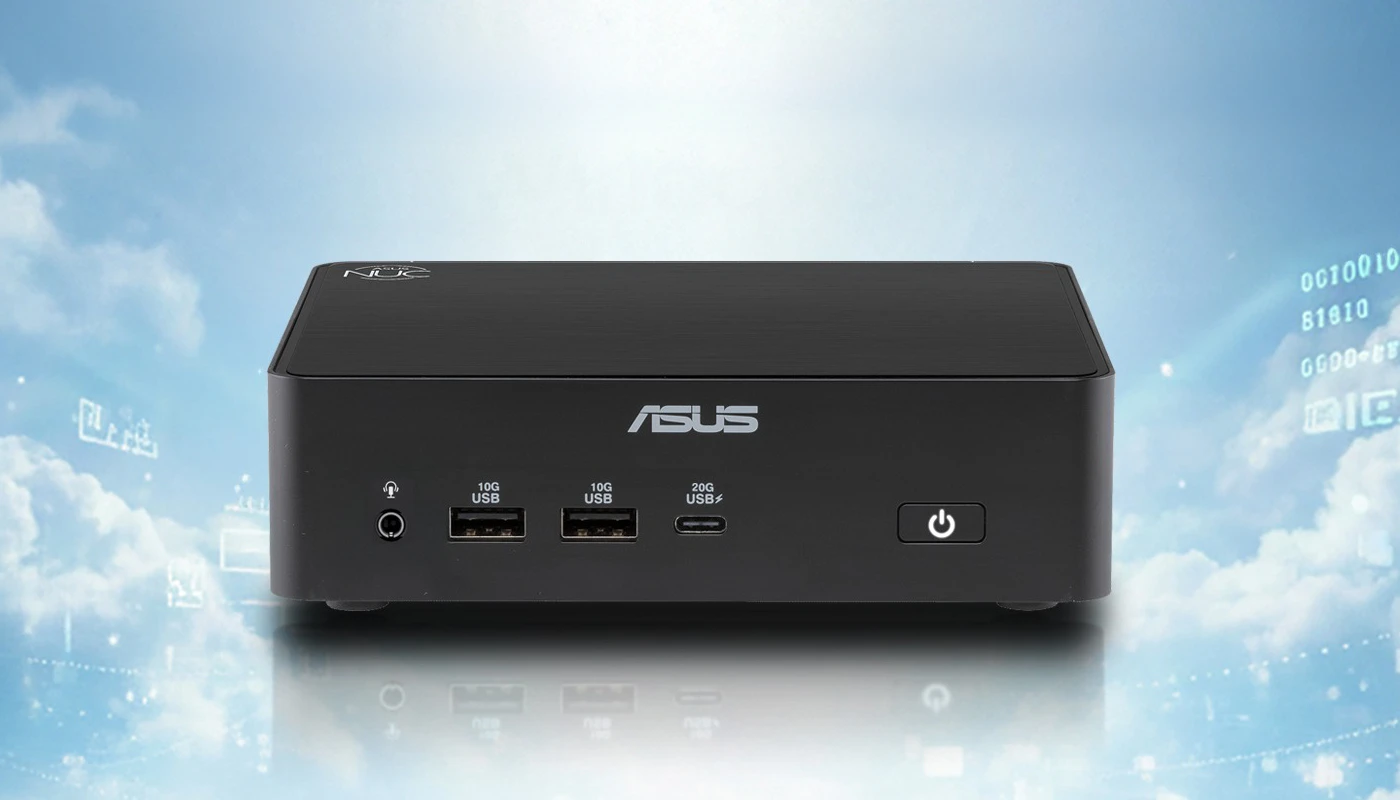
Microsoft is reshaping the future of cloud computing with two new additions to its Windows 365 Cloud PC ecosystem. The tech giant has partnered with ASUS and Dell to launch the ASUS NUC 16 for Windows 365 and the Dell Pro Desktop for Windows 365, broadening hardware options for its cloud-based desktop service. These devices, set to debut in Q3 2026, join the existing Windows 365 Link device, offering businesses and consumers flexible, secure, and high-performance computing solutions.
ASUS NUC 16 for Windows 365: Compact Powerhouse for Flexible Deployment
The ASUS NUC 16 for Windows 365 is a 0.7-liter mini PC designed for seamless integration into modern workspaces. Key features include:
- Support for up to three monitors via HDMI and USB-C
- Mounting options for behind-display installation
- Preinstalled Windows CPC OS with automatic updates
This device is ideal for environments requiring space efficiency and multi-display setups, such as design studios or collaborative workspaces.
Dell Pro Desktop for Windows 365: Fanless Design for Quiet, Reliable Performance
The Dell Pro Desktop for Windows 365 introduces a compact, fanless form factor with robust connectivity. Highlights include:
- Support for three displays
- Multiple mounting configurations
- Seamless integration with Microsoft Intune for device management
Its silent operation makes it suitable for office environments where noise reduction is critical.
Windows 365 Cloud PC Strategy: Key Updates and Benefits
Enhanced User Experience with Windows CPC OS
Microsoft announced Q2 2026 updates to the Windows CPC operating system, including:
- Bluetooth device pairing during out-of-box setup
- Tenant branding options (custom wallpapers, logos, and organization names)
Security and Management Advantages
All Windows 365 Cloud PC devices boot directly into the service, ensuring secure access to Microsoft Cloud resources. The preinstalled Windows CPC OS is locked down for minimal attack surfaces, while Microsoft Intune simplifies device management for IT teams.
Why This Expansion Matters for Businesses
Microsoft’s Windows 365 Cloud PC strategy addresses growing demand for hybrid work solutions. By partnering with ASUS and Dell, the company provides:
- Hardware diversity to suit varied use cases
- Scalable, cloud-first infrastructure
- Reduced IT overhead through centralized management
These devices are particularly valuable for organizations needing secure, high-fidelity remote work environments without compromising performance.
Conclusion: A Smarter Cloud Computing Future
Microsoft’s collaboration with ASUS and Dell marks a significant step forward in its Windows 365 Cloud PC strategy. With expanded hardware options and enhanced OS features, businesses can now deploy cloud-based desktops more efficiently than ever. As the Q3 2026 launch approaches, organizations should evaluate how these devices align with their digital transformation goals.
Ready to explore Microsoft’s cloud PC solutions? Visit the official Windows 365 page to learn more about deployment options and pricing.
FAQs
1. What is Microsoft’s Windows 365 Cloud PC strategy?
Microsoft’s strategy involves providing cloud-based desktops via hardware partners like ASUS and Dell, enabling secure, scalable remote work solutions.
2. When will the ASUS NUC 16 and Dell Pro Desktop launch?
Both devices are scheduled for Q3 2026, with regional availability varying by model.
3. How does Windows CPC OS improve security?
The locked-down Windows CPC OS reduces vulnerabilities and receives automatic updates, ensuring a secure computing environment.
4. Can I use Bluetooth devices with Windows 365 Cloud PCs?
Yes, Q2 2026 updates will enable Bluetooth pairing during setup for enhanced user convenience.
5. What industries benefit most from Windows 365 Cloud PCs?
Industries requiring remote access, such as healthcare, education, and finance, gain significant advantages from these devices.








