Introduction: A High-Stakes AI Battle Unfolds
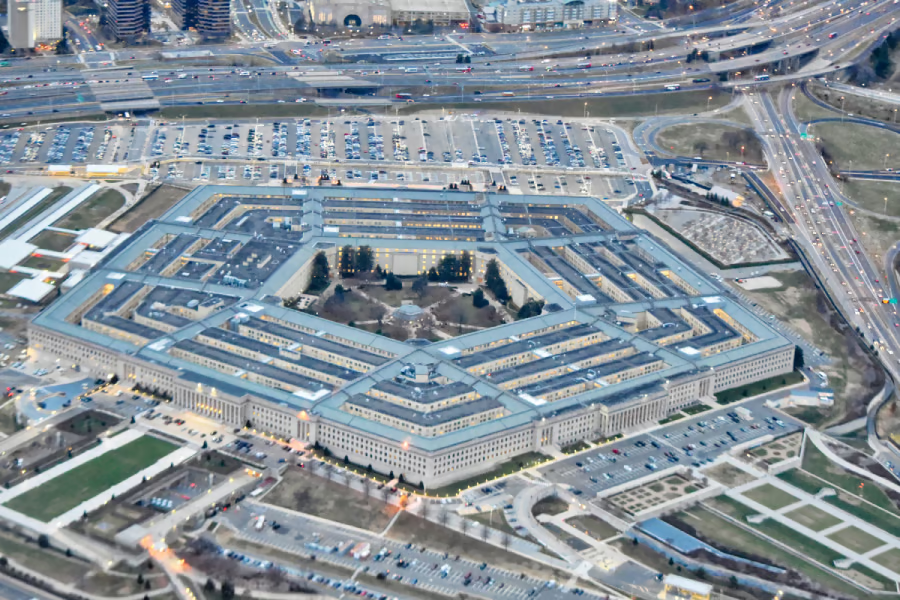
Microsoft has thrown its weight behind Anthropic in a contentious legal clash with the U.S. Department of Defense. At the heart of the dispute lies the Pentagon’s decision to label Anthropic’s Claude AI platform a “supply chain risk.” Microsoft argues this move could destabilize critical defense contracts and disrupt military AI operations. Let’s break down the key players, arguments, and implications of this tech showdown.
Why the Pentagon Banned Anthropic
The Department of Defense’s decision stems from concerns over AI security and supply chain vulnerabilities. By designating Claude as a risk, the Pentagon aims to prevent potential data leaks or adversarial manipulation through third-party AI tools. This aligns with broader efforts to tighten cybersecurity standards across federal agencies.
Key Pentagon Concerns
- Supply chain integrity: Anthropic’s AI models rely on external infrastructure, raising red flags about control and transparency.
- Compliance gaps: Military contracts require strict adherence to federal security protocols, which Anthropic may not fully meet.
- Operational continuity: A sudden ban could force rapid reconfiguration of AI-dependent defense systems.
Microsoft’s Legal Counterargument
Microsoft’s court filing frames the ban as an overreach that could backfire. The tech giant warns that blocking Anthropic’s platform would:
Disrupt Critical Defense Contracts
Existing military projects using Claude for tasks like threat analysis or logistics planning would face immediate operational gaps. Microsoft emphasizes that replacing AI tools mid-contract is both technically complex and financially costly.
Stifle AI Innovation
By limiting access to cutting-edge models like Claude, the Pentagon risks slowing the adoption of AI in national defense. Microsoft argues this creates a false choice between security and progress.
Broader Implications for Tech and Defense
This dispute highlights a growing tension between government regulators and private tech firms. Key takeaways include:
- Regulatory clarity: The case could set a precedent for how AI tools are evaluated in federal contracts.
- Vendor diversification: Defense agencies may push for multi-vendor AI strategies to mitigate single-point risks.
- Collaborative frameworks: The outcome may influence future partnerships between tech companies and government bodies.
What’s Next in the Microsoft vs Pentagon Anthropic Dispute?
The federal court’s decision will determine whether the ban remains in place. Meanwhile, this case underscores the need for balanced policies that address security concerns without stifling technological advancement. As AI becomes increasingly vital to national security, the lines between innovation, regulation, and risk management will continue to blur.
Stay informed: Follow this evolving story as it impacts the future of AI in defense and beyond.