Full-Stack Thinking in Data Science
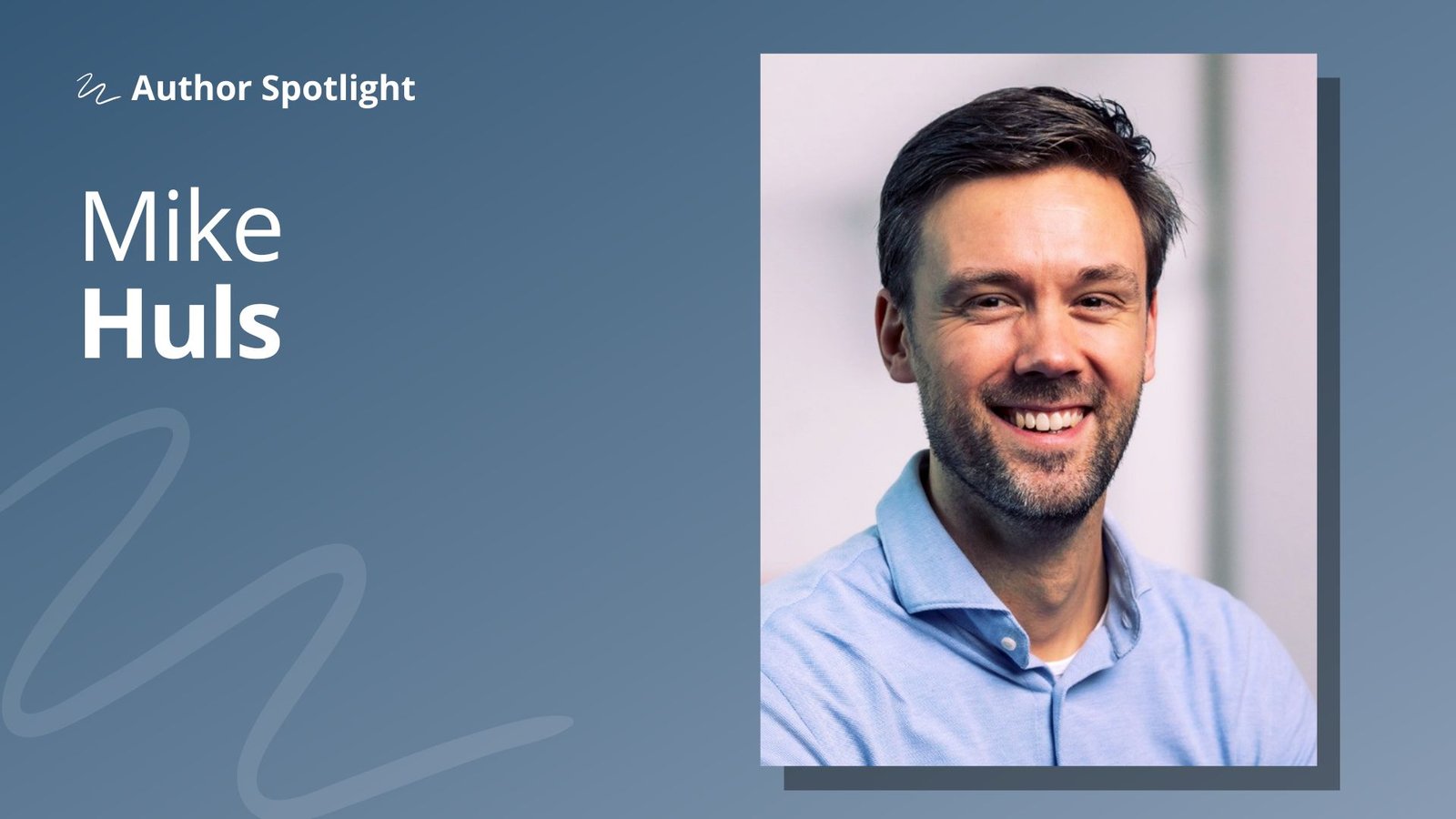
Mike Huls, a tech lead at the intersection of data engineering, AI, and architecture, emphasizes that full-stack expertise isn’t about building every layer personally. Instead, it’s about understanding how architectural decisions shape system behavior over time. This perspective is critical for designing systems that adapt to change while balancing technical depth with business value.
Embedding Models in Production Systems
Mike highlights that data science models in notebooks are just the starting point. Real impact emerges when these models are integrated into production systems with robust data pipelines, APIs, governance, and user interfaces. Treating data science as part of a larger system—not an isolated activity—ensures long-term success.
Addressing Structural Friction
Mike’s content strategy revolves around solving recurring friction points. When multiple teams face similar challenges, he addresses them at the architectural or process level. He experiments with new technologies to understand trade-offs and writes about topics that solve real problems or reveal hidden risks.
AI Agents: Beyond the Hype
Mike debunks the misconception that AI agents are simple. While easy to assemble, they become complex in production. State management, permissions, cost control, and failure handling are often underestimated. He stresses that agents are long-lived systems requiring rigorous engineering, not just prompts with tools.
Layered Architecture for Scalability
For small teams, Mike advises optimizing for change rather than initial speed. Separating domain logic, application flow, and infrastructure creates clear boundaries that allow systems to evolve without constant rewrites. Small upfront discipline pays dividends as systems grow.
Choosing Safety Over Speed
In production ML pipelines, Mike prioritizes correctness over throughput. Transactional safety and validation are essential for pipelines feeding regulatory reporting or financial decisions. Silent data corruption risks outweigh minor performance gains in these scenarios.
Privacy-First AI Development
Mike’s self-hosted AI platform prioritizes privacy and control. By avoiding cloud-based LLMs, he ensures data remains private and systems are auditable. This approach aligns with European privacy standards and empowers users to choose models that balance capability, cost, and risk.
The Future of Data Professionals
Mike predicts data professionals will spend more time on system design and stakeholder alignment. Agent-assisted development will accelerate implementation, but clear goals and constraints are vital to avoid confusion. Full-stack thinking and system-level design will define AI’s responsible, large-scale adoption.
2026 Trends: Generative AI Maturity
Generative AI and agent-based systems will mature into production-ready tools. This shift demands trustworthy data and robust engineering. Organizations that embrace full-stack thinking will lead in applying AI responsibly at scale.
Follow Mike Huls
Stay updated with Mike’s insights on data engineering, AI systems, and architecture. Follow him on Towards Data Science or LinkedIn.