
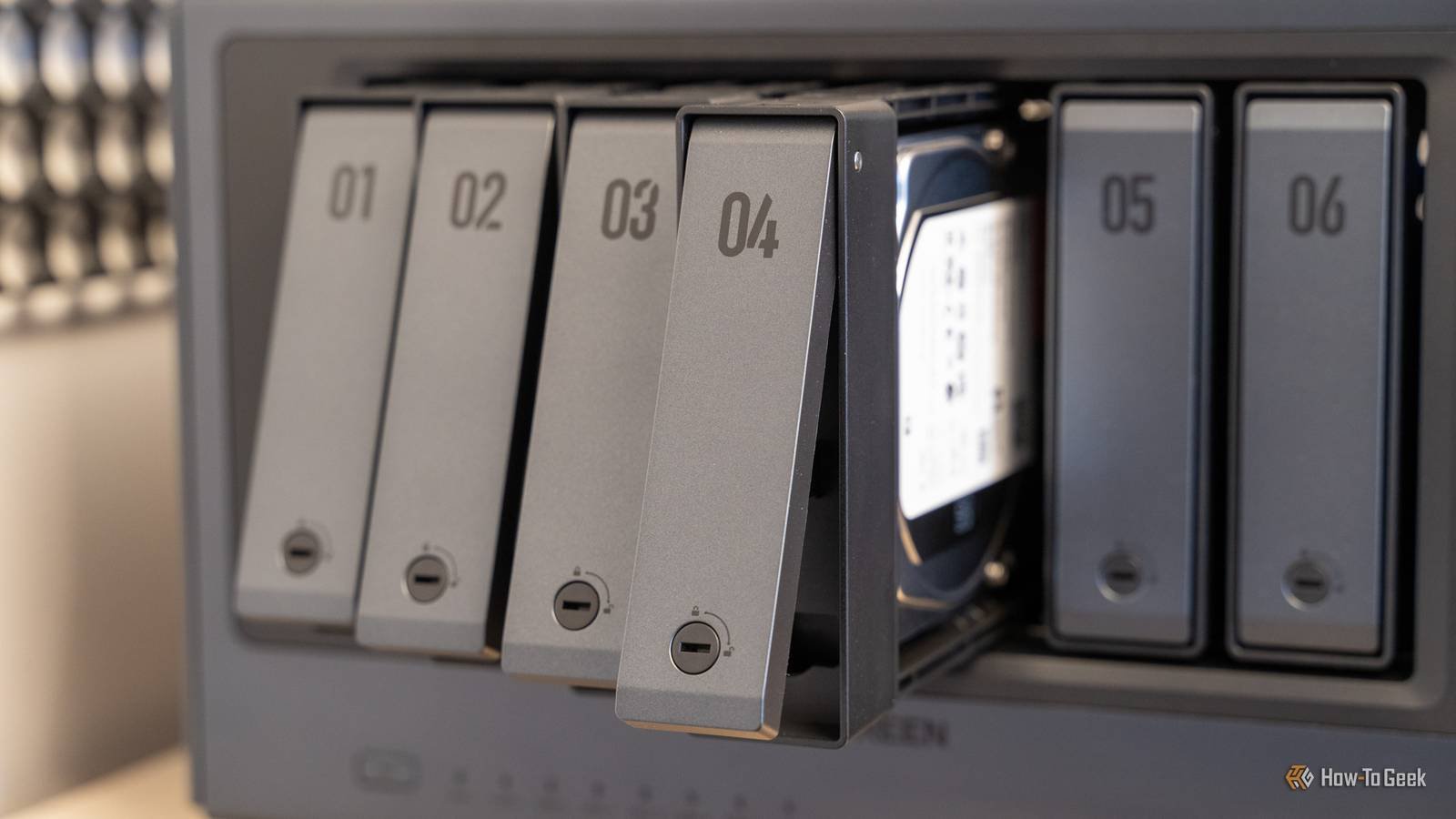
Setting Up Your First NAS: Common Mistakes to Avoid
Setting up a Network-Attached Storage (NAS) device can be a daunting task, especially for those who are new to the world of networking and storage. However, with the right guidance, you can avoid common mistakes and ensure a smooth setup process. For example, choosing the right NAS device for your needs is crucial, as it can affect the overall performance and scalability of your storage system.
Understanding NAS and Its Benefits
NAS devices provide a centralized storage solution for your network, allowing you to store and share files, videos, and music across multiple devices. Additionally, NAS devices offer advanced features such as data backup, security, and remote access. Meanwhile, when selecting a NAS device, consider factors such as storage capacity, processor speed, and compatibility with your existing devices.
Furthermore, it’s essential to plan your NAS setup carefully, taking into account the number of users, the type of data being stored, and the required level of security. Therefore, research and compare different NAS devices to find the one that best fits your needs and budget.
Common Mistakes to Avoid When Setting Up Your NAS
One common mistake is not configuring the NAS device correctly, which can lead to poor performance and security vulnerabilities. To avoid this, follow the manufacturer’s instructions carefully and ensure that you configure the device correctly. Moreover, regularly update your NAS device’s firmware to ensure you have the latest security patches and features.
Another mistake is not backing up your data regularly, which can result in data loss in case of a hardware failure or other disaster. Therefore, set up a regular backup schedule to ensure your data is safe and can be easily recovered in case of an emergency.
In conclusion, setting up a NAS device requires careful planning and attention to detail. By avoiding common mistakes and following best practices, you can ensure a smooth and successful setup process.
Best Practices for NAS Setup
- Choose the right NAS device for your needs
- Configure the device correctly
- Regularly update the firmware
- Set up a regular backup schedule
Finally, by following these tips and avoiding common mistakes, you can enjoy the benefits of a well-configured NAS device and ensure your data is safe and secure.








