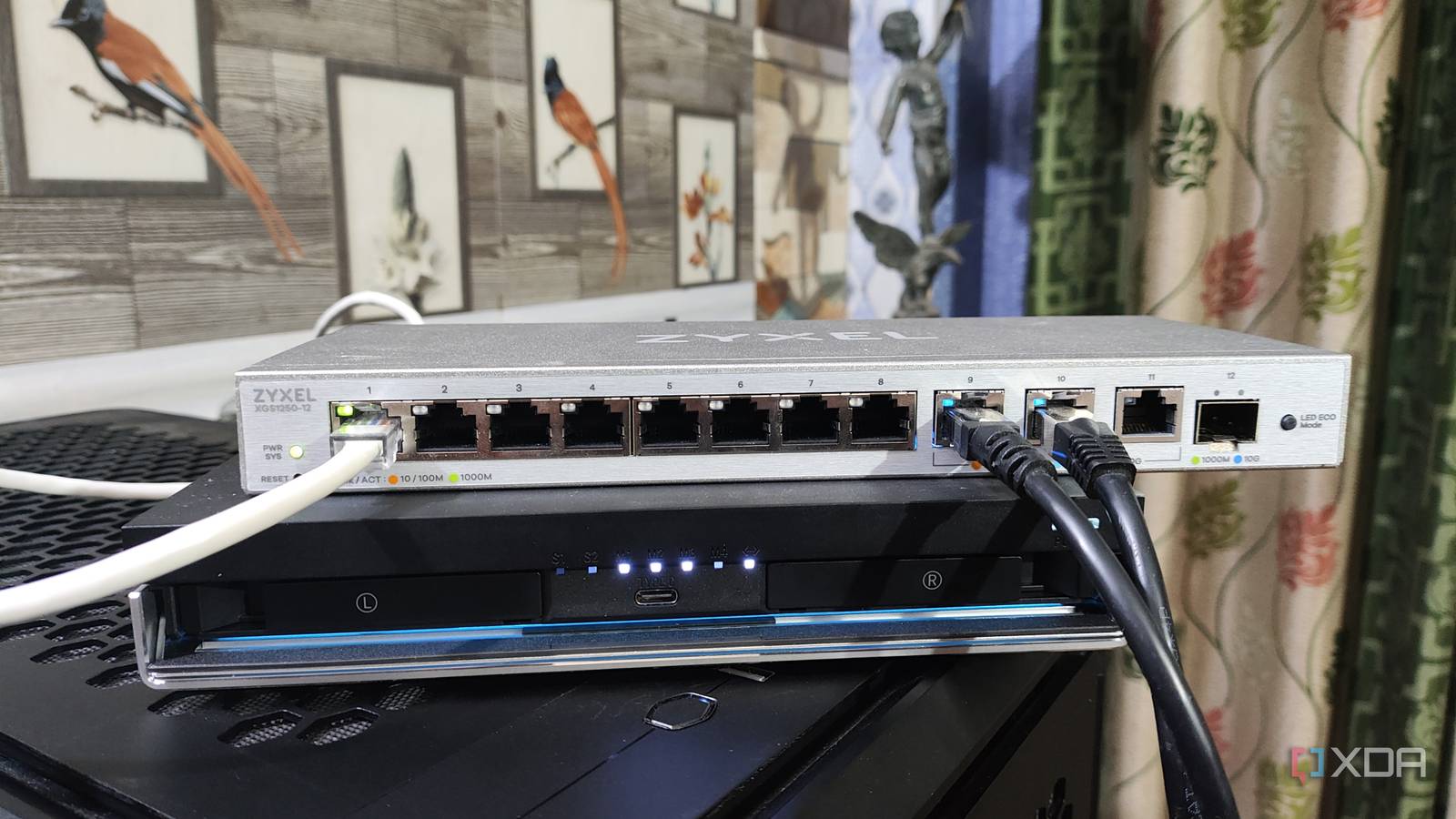
Why NAS Specification Matters More Than You Think
When it comes to setting up a network-attached storage (NAS) system, there are several factors to consider. However, one aspect that often gets overlooked is the NAS specification. Meanwhile, many users focus on the NIC speeds and other features, but the truth is, the NAS specification matters more than everything else.
Understanding NAS Specification
Therefore, it’s essential to understand what NAS specification entails. For example, it includes the processor, memory, and storage capacity of the NAS device. Additionally, it also covers the operating system, compatibility, and scalability of the system. Meanwhile, these factors play a crucial role in determining the overall performance and efficiency of the NAS.
Moreover, a good NAS specification ensures that your system can handle multiple tasks simultaneously without any lag or downtime. However, a poor specification can lead to slow data transfer rates, crashes, and other issues. Finally, it’s crucial to choose a NAS device with a specification that meets your needs and requirements.
Key Components of NAS Specification
The key components of NAS specification include:
- Processor: The brain of the NAS device, responsible for handling tasks and operations.
- Memory: The amount of RAM available for running applications and services.
- Storage Capacity: The amount of space available for storing files and data.
- Operating System: The software that manages the NAS device and its operations.
Meanwhile, these components work together to provide a seamless and efficient NAS experience. However, it’s essential to choose a NAS device with a specification that balances these components. Additionally, consider the scalability and compatibility of the system to ensure it can adapt to your growing needs.
Why NAS Specification Matters More Than NIC Speeds
Although NIC speeds are essential for data transfer rates, the NAS specification matters more. Therefore, a good NAS specification can compensate for slower NIC speeds, but a poor specification can’t be overcome by faster NIC speeds. Meanwhile, the NAS specification determines the overall performance and efficiency of the system.
For example, a NAS device with a fast processor, ample memory, and sufficient storage capacity can handle multiple tasks simultaneously. However, a NAS device with a slow processor, limited memory, and inadequate storage capacity will struggle to keep up, regardless of the NIC speeds. Finally, it’s crucial to prioritize the NAS specification when choosing a NAS device.
In conclusion, the NAS specification is a critical factor to consider when setting up a NAS system. Therefore, it’s essential to understand the key components of NAS specification and choose a device that meets your needs. Meanwhile, don’t overlook the importance of NAS specification in favor of NIC speeds or other features. By prioritizing the NAS specification, you can ensure a seamless and efficient NAS experience.
Additionally, consider the following tips when choosing a NAS device:
- Assess your needs and requirements to determine the necessary specification.
- Research and compare different NAS devices to find the best fit.
- Read reviews and check the specifications of each device.
- Consider the scalability and compatibility of the system.
Finally, by following these tips and prioritizing the NAS specification, you can ensure a reliable and efficient NAS system that meets your needs and requirements.