Introduction
NASA has announced a significant delay in its plans to return astronauts to the lunar surface. The moon landing, initially scheduled for next year, will now take place in 2028. This decision aims to improve safety, accelerate mission frequency, and better compete with China’s growing space program.
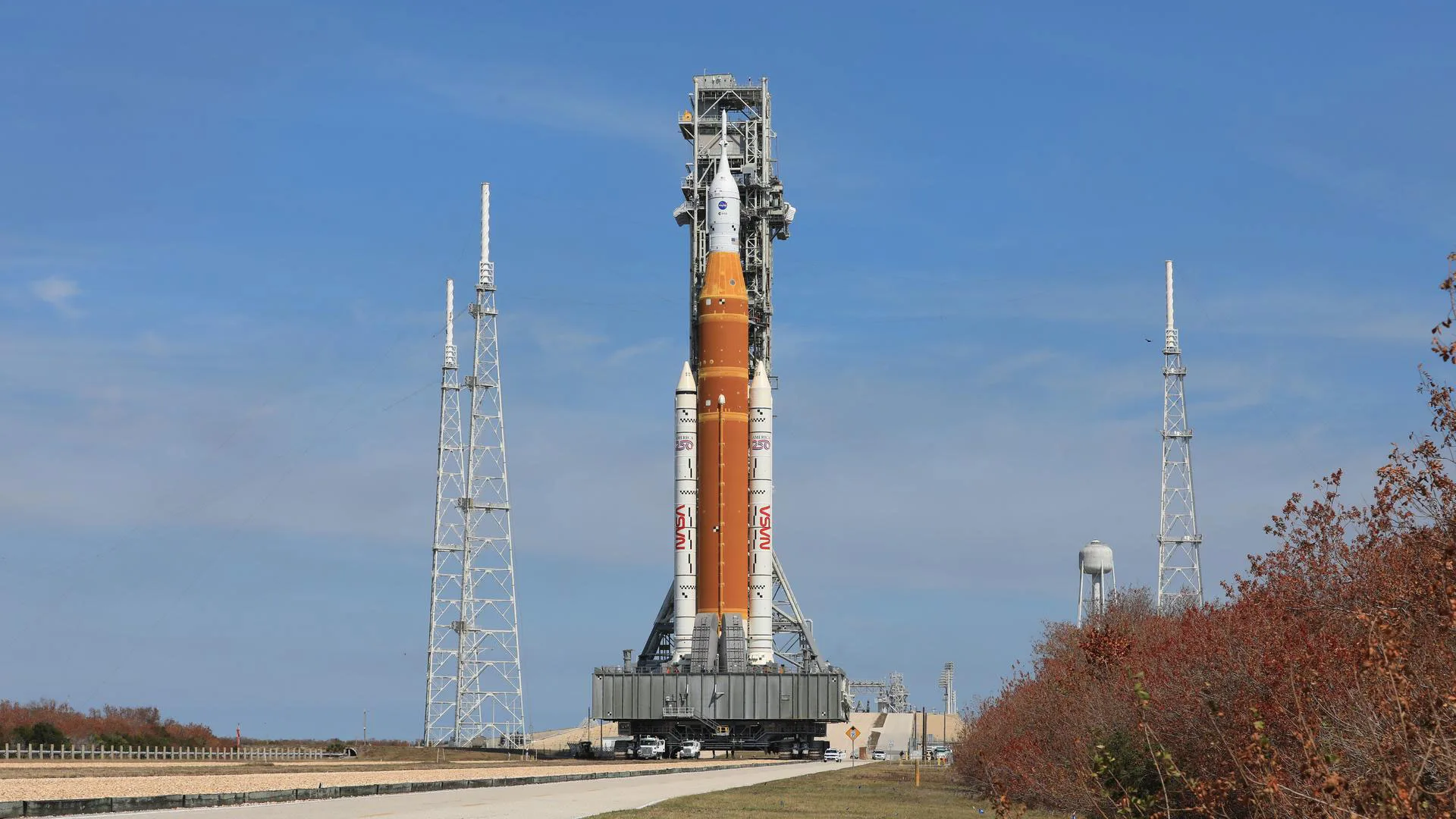
Meanwhile, NASA will focus on streamlining its rocket production and workforce. The agency plans to standardize its massive Space Launch System (SLS) rocket configuration and align workforces with private contractors.
Revamped Schedule
The revamped schedule calls for launching missions as frequently as every 10 months. Artemis III, which was initially slated to return astronauts to the lunar surface, will instead conduct tests in low-Earth orbit. These tests will validate systems and operational capabilities ahead of an Artemis IV landing in 2028.
Additionally, NASA plans to use the mission to rebuild core strengths within its workforce. This includes more hands-on, side-by-side development with private partners, such as SpaceX and Blue Origin.
Safety Concerns
The agency’s Aerospace Safety Advisory Panel report prompted the revamp, after flagging numerous safety concerns about an overambitious Artemis III. The report deemed the three-year gap between Artemis I and II too long to maintain skills and recommended smaller steps and more testing.
For example, the report noted that launching every three years can cause skills to atrophy, and muscle memory to be lost. Therefore, NASA has decided to take a more cautious approach to ensure the success of its missions.
Conclusion
In conclusion, NASA’s decision to delay the moon landing to 2028 is a necessary step to ensure the success of its missions. By streamlining its rocket production and workforce, the agency can improve safety, accelerate mission frequency, and better compete with China’s growing space program.
Finally, NASA’s plans to conduct tests in low-Earth orbit and rebuild core strengths within its workforce will help to ensure the success of its future missions. As the space program continues to evolve, it is essential to prioritize safety and take a cautious approach to ensure the success of its missions.
Frequently Asked Questions
- What is the new target date for the moon landing? The new target date for the moon landing is 2028.
- Why did NASA delay the moon landing? NASA delayed the moon landing to improve safety, accelerate mission frequency, and better compete with China’s growing space program.
- What will Artemis III do instead of landing on the moon? Artemis III will conduct tests in low-Earth orbit to validate systems and operational capabilities ahead of an Artemis IV landing in 2028.
- What is the main goal of NASA’s revamped schedule? The main goal of NASA’s revamped schedule is to launch missions as frequently as every 10 months.
- How will NASA rebuild core strengths within its workforce? NASA will rebuild core strengths within its workforce by focusing on more hands-on, side-by-side development with private partners.