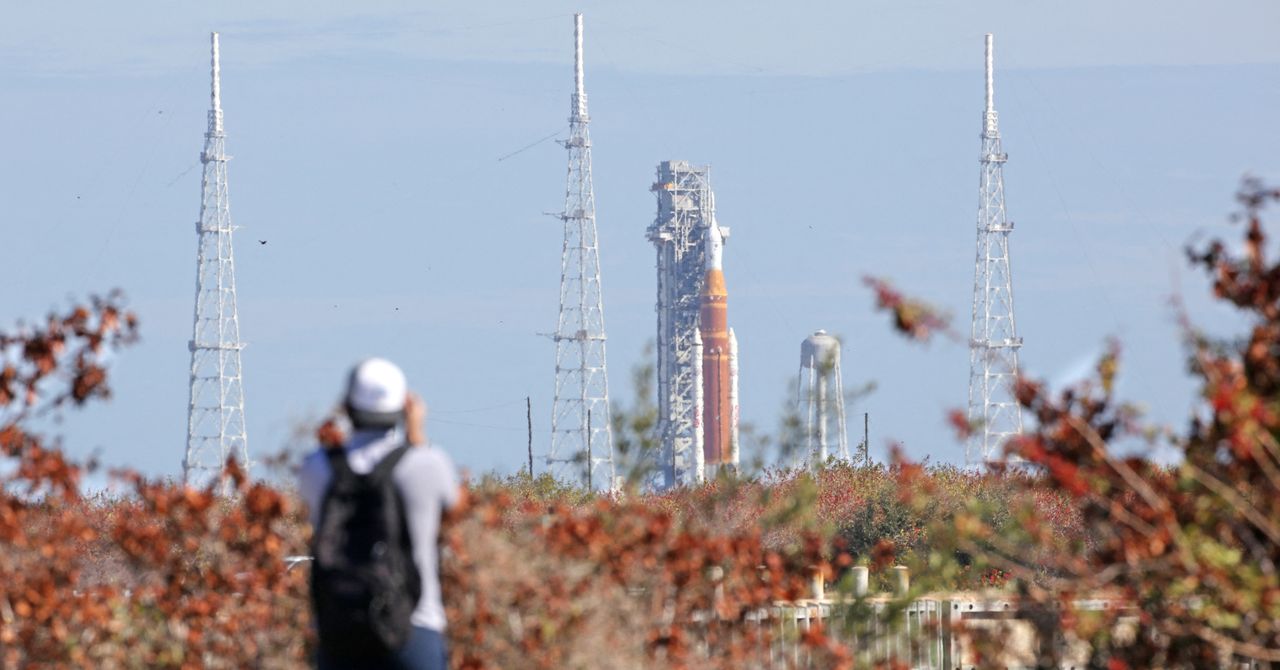
NASA’s ambitious plan to return humans to the lunar surface by 2025 just hit another roadblock. The Artemis II mission, which was initially scheduled to launch in 2023, has been delayed once again. This time, the new target launch date is sometime in 2025, but NASA officials say they’re aiming for a more realistic timeline, which could push the launch to 2026 or even later.
The Artemis II mission is a critical step towards NASA’s ultimate goal of establishing a sustainable human presence on the lunar surface. The mission will send the first woman and the first person of color to the Moon, marking a major milestone in the history of space exploration. However, the repeated delays have raised concerns about the agency’s ability to meet its deadlines and stay within budget.
So, what’s causing the delay this time around? According to NASA officials, the main culprit is the ongoing development of the Space Launch System (SLS) rocket and the Orion spacecraft. The SLS rocket is the most powerful rocket ever built, and it’s designed to carry astronauts and cargo on deep space missions. However, the development process has been plagued by technical issues, manufacturing delays, and funding constraints.
The Orion spacecraft is also experiencing its own set of challenges. The spacecraft is designed to carry astronauts to the Moon and beyond, but it requires a reliable and efficient life support system, navigation system, and communication system. NASA is working closely with its contractors to resolve these issues, but it’s taking longer than expected.
NASA is also facing a tight budget, which is limiting its ability to speed up the development process. The agency has been allocated a significant amount of funding for the Artemis program, but it’s still not enough to meet the ambitious timeline set by the previous administration. The current administration has been supportive of the program, but it’s clear that NASA needs more resources to make it happen.
Despite the delays, NASA is making progress on other aspects of the Artemis program. The agency has successfully completed several critical tests, including the Ascent Abort-2 test, which demonstrated the Orion spacecraft’s ability to abort a launch in case of an emergency. NASA has also made significant progress on the development of the lunar Gateway, a space station that will serve as a base for missions to the lunar surface.
The lunar Gateway is a critical component of the Artemis program, as it will provide a reliable and efficient way to transport astronauts and cargo to the Moon. The Gateway will be equipped with a state-of-the-art life support system, navigation system, and communication system, making it an ideal base for deep space missions. NASA is working closely with its international partners to develop the Gateway, which is expected to be launched in the mid-2020s.
The delay of the Artemis II mission is not just a setback for NASA; it’s also a disappointment for the thousands of people working on the program. The astronauts, engineers, technicians, and scientists who are part of the Artemis team are passionate about the mission and are working tirelessly to make it happen. The delay is a reminder that space exploration is a complex and challenging endeavor that requires patience, perseverance, and dedication.
As NASA continues to work on the Artemis program, it’s clear that the agency is committed to making it happen. The delay of the Artemis II mission is a setback, but it’s not a failure. NASA has a proven track record of overcoming challenges and achieving great things, and there’s no reason to believe that the Artemis program will be any different.
The next few years will be critical for the Artemis program, as NASA works to resolve the technical issues, manufacturing delays, and funding constraints that are holding back the mission. The agency will need to work closely with its contractors, international partners, and stakeholders to make it happen. With persistence, dedication, and a bit of luck, NASA will eventually succeed in sending humans back to the Moon and establishing a sustainable presence on the lunar surface.
The Artemis program is not just about sending humans to the Moon; it’s about expanding our knowledge of the universe, driving innovation, and inspiring future generations of scientists, engineers, and explorers. The delay of the Artemis II mission is a reminder that space exploration is a long-term effort that requires patience, perseverance, and dedication. But with NASA at the helm, we can be confident that the mission will eventually succeed and that humans will set foot on the Moon once again.
Tags: #NASA #ArtemisII #LunarMission #SpaceExploration #MoonLanding