
NASA Revamps Artemis Program to Speed Up Lunar Missions
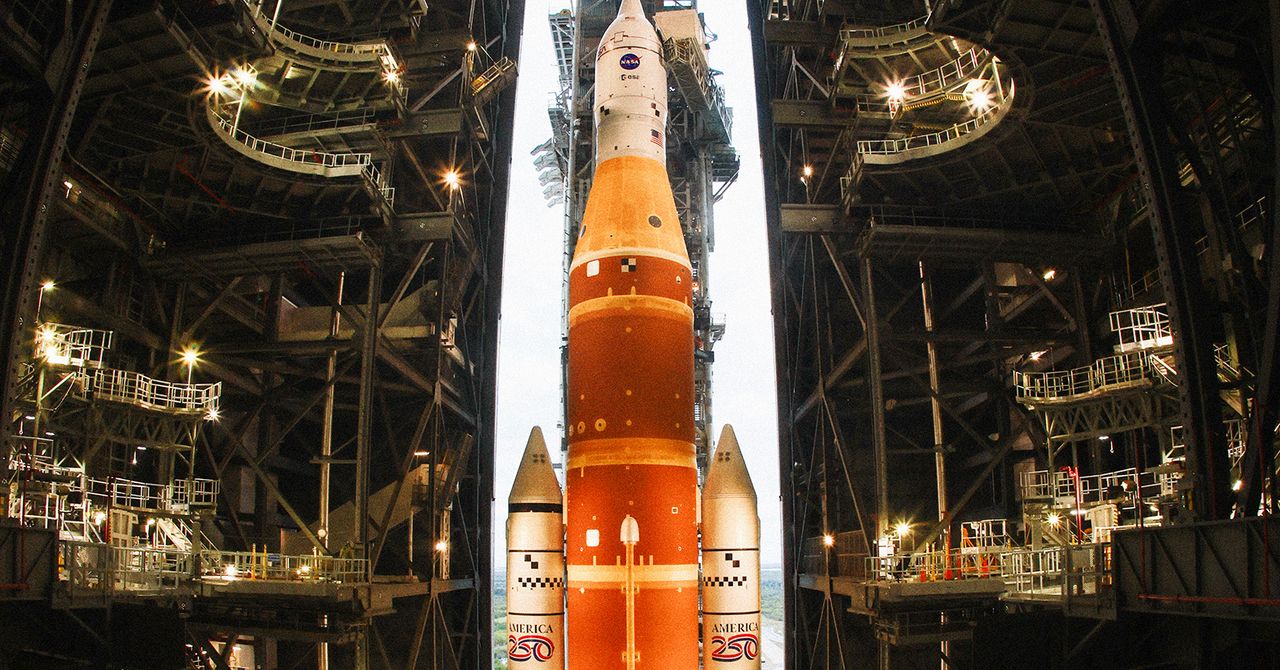
NASA Administrator Jared Isaacman has announced significant changes to the Artemis program, aiming to accelerate the agency’s journey back to the moon. The new approach includes an increased cadence of missions and the cancellation of an expensive rocket stage.
Key Changes to the Artemis Program
The changes announced by Isaacman are designed to standardize the Space Launch System (SLS) rocket and increase the flight rate. The key changes include:
- Cancellation of the Exploration Upper Stage and Block IB upgrade for the SLS rocket
- Artemis II and Artemis III missions will use the SLS rocket with the existing upper stage
- Artemis IV and subsequent missions will use a standardized upper stage
- Artemis III will no longer land on the moon; instead, Orion will launch on SLS and dock with Starship and/or Blue Moon landers in low Earth orbit
- Artemis IV is now the first lunar landing mission
Accelerating the Artemis Program
NASA aims to fly Artemis missions annually, starting with Artemis III in mid-2027, followed by at least one lunar landing in 2028. The agency is working with SpaceX and Blue Origin to accelerate the development of commercial lunar landers for Artemis IV and beyond.
Standardizing the SLS Rocket
The goal is to standardize the SLS rocket into a single configuration to make it as reliable as possible and launch as frequently as every 10 months. NASA will fly the SLS vehicle until there are commercial alternatives to launch crews to the moon.
Industry Reaction and Next Steps
The NASA official said all key contractors are on board with the change, and senior leaders in Congress have been briefed on the proposed changes. Boeing, the prime contractor for the Exploration Upper Stage, has expressed support for the revised plans.
Return to the Apollo Philosophy
NASA’s new approach to Artemis reflects a return to the philosophy of the Apollo program. The agency will fly a series of preparatory crewed missions before the lunar landing, including Artemis II and Artemis III.
Conclusion and Future Plans
NASA’s revamped Artemis program aims to accelerate the agency’s journey back to the moon. With the new approach, NASA is poised to make significant progress in the coming years. As the agency moves forward, it will be essential to monitor the progress and address any challenges that arise.
For more information on the Artemis program and NASA’s plans for lunar exploration, visit the NASA website.
Frequently Asked Questions
- What is the main goal of the Artemis program? The main goal of the Artemis program is to return humans to the lunar surface by 2028.
- What changes has NASA made to the Artemis program? NASA has announced significant changes to the Artemis program, including the cancellation of the Exploration Upper Stage and the standardization of the SLS rocket.
- When will the first lunar landing mission take place? The first lunar landing mission, Artemis IV, is scheduled to take place in 2028.
- What is the role of commercial lunar landers in the Artemis program? Commercial lunar landers, such as those developed by SpaceX and Blue Origin, will play a crucial role in the Artemis program, providing a means for astronauts to land on the lunar surface.
- How will NASA’s revamped Artemis program impact the agency’s plans for lunar exploration? The revamped Artemis program will enable NASA to accelerate its plans for lunar exploration, with the goal of establishing a sustainable presence on the lunar surface.








