
NASA Shakes Up Artemis Program to Speed Up Lunar Return
NASA Administrator Jared Isaacman announced sweeping changes to the Artemis program, including an increased cadence of missions and cancellation of an expensive rocket stage. The upheaval comes as NASA has struggled to fuel the massive Space Launch System rocket for the upcoming Artemis II lunar mission.
Changes to the Artemis Program
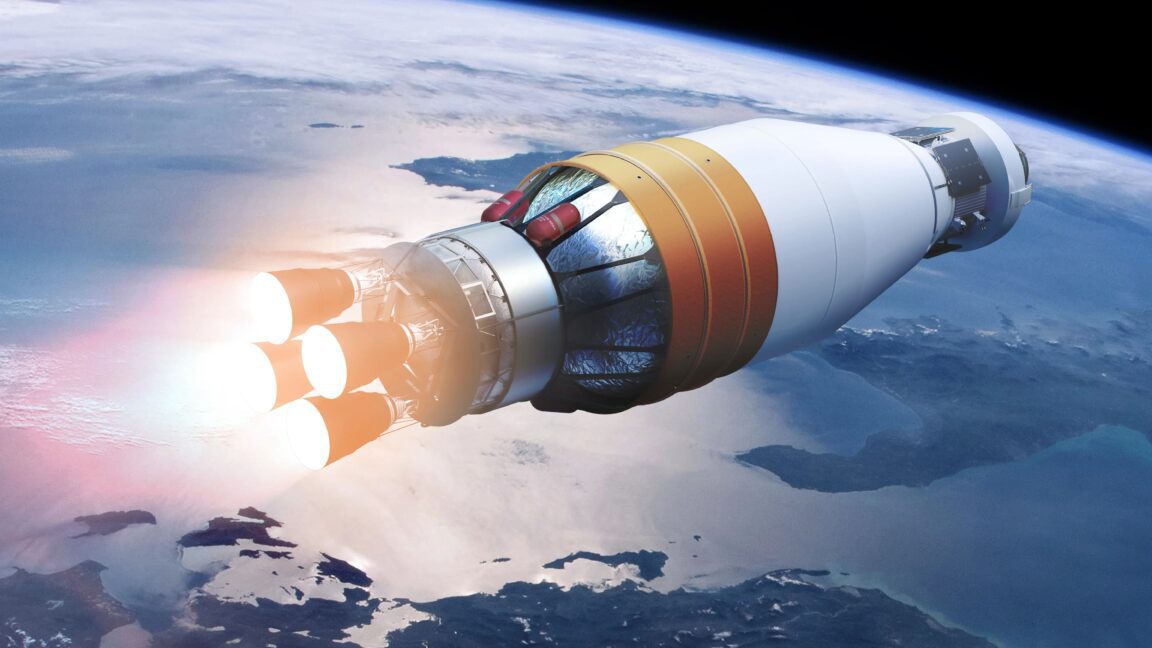
The announced changes to the Artemis program include the cancellation of the Exploration Upper Stage and Block IB upgrade for SLS rocket. Artemis II and Artemis III missions will use the SLS rocket with existing upper stage. Meanwhile, Artemis IV, V (and any additional missions, should there be) will use a “standardized” upper stage.
Artemis III will no longer land on the Moon; rather Orion will launch on SLS and dock with Starship and/or Blue Moon landers in low-Earth orbit. Artemis IV is now the first lunar landing mission. NASA will seek to fly Artemis missions annually, starting with Artemis III in “mid” 2027, followed by at least one lunar landing in 2028.
Accelerating Commercial Lunar Landers
NASA is working with SpaceX and Blue Origin to accelerate their development of commercial lunar landers for Artemis IV and beyond. The goal is to standardize the SLS rocket into a single configuration to make it as reliable as possible and to launch it as frequently as every 10 months.
A senior NASA official noted that the space agency has experienced hydrogen and helium leaks during both the Artemis I and Artemis II pre-launch preparations, and these problems have led to monthslong delays in launch. The official said, “Launching SLS every three and a half years or so is not a recipe for success.”
Return to Apollo Philosophy
NASA’s new approach to Artemis reflects a return to the philosophy of the Apollo program. During the late 1960s, the space agency flew a series of preparatory crewed missions before the Apollo 11 lunar landing. The new approach will “buy down” some of the risk for a 21st-century lunar landing, including performance and handling of a lunar lander, rendezvous and docking, communications, spacesuit performance, and more.
The timeline to bring the Orion spacecraft to readiness for a mid-2027 launch will need to be accelerated, and efforts to integrate that vehicle with one or both lander providers will need serious attention. Meanwhile, Boeing, the prime contractor for the Exploration Upper Stage, has offered support for the revised plans.
Conclusion
In conclusion, NASA’s shake-up of the Artemis program is a significant step towards accelerating the lunar return mission. With the cancellation of the Exploration Upper Stage and the adoption of a standardized upper stage, NASA aims to increase the flight rate of the SLS rocket and reduce delays. The new approach also reflects a return to the philosophy of the Apollo program, with a series of preparatory crewed missions before the lunar landing.
As NASA moves forward with the revised Artemis program, it is essential to monitor the progress and challenges that arise. With the help of commercial partners like SpaceX and Blue Origin, NASA can accelerate the development of commercial lunar landers and achieve its goal of returning humans to the Moon by 2028.
Frequently Asked Questions
- What is the main goal of the revised Artemis program? The main goal is to accelerate the lunar return mission and increase the flight rate of the SLS rocket.
- What is the role of commercial partners like SpaceX and Blue Origin in the revised program? Commercial partners will help accelerate the development of commercial lunar landers for Artemis IV and beyond.
- What is the timeline for the revised Artemis program? Artemis III is scheduled to launch in mid-2027, followed by at least one lunar landing in 2028.
- What are the benefits of the revised approach? The revised approach will “buy down” some of the risk for a 21st-century lunar landing and increase the challenges for NASA.
- How will the revised program affect the development of the Orion spacecraft? The timeline to bring the Orion spacecraft to readiness for a mid-2027 launch will need to be accelerated.








