NASA Trials AI Medical Imaging Aboard ISS to Enhance Medical Capabilities
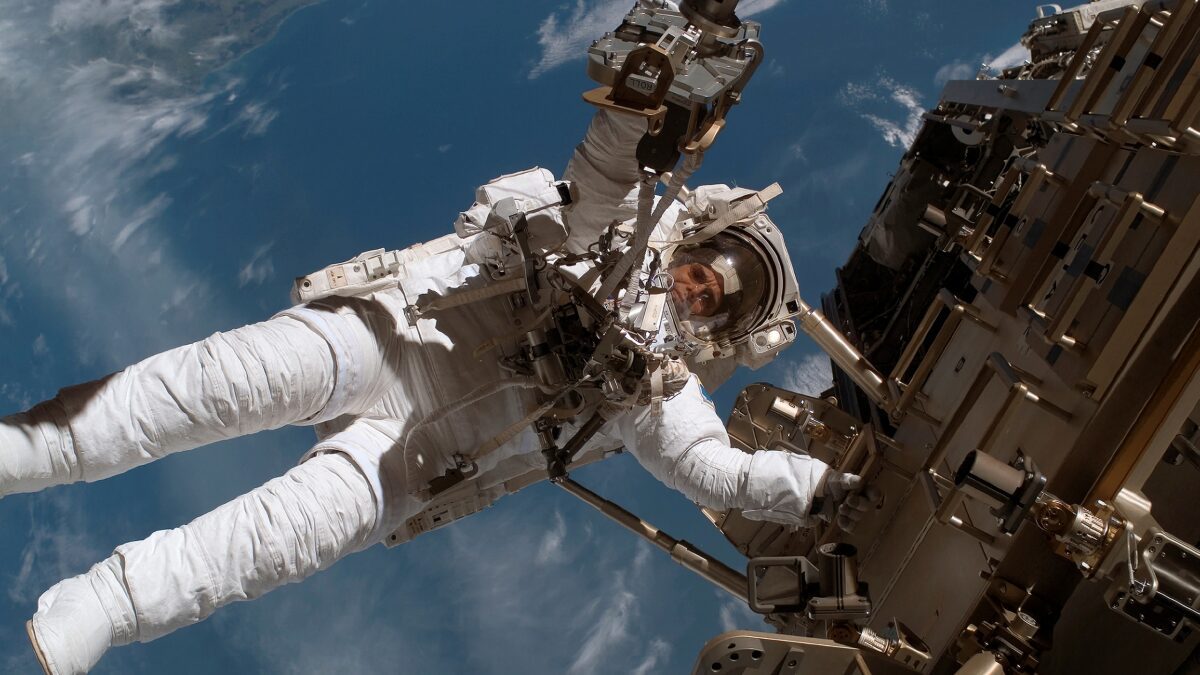
Astronauts aboard the International Space Station (ISS) have tested new technologies to improve in-orbit medical capabilities and reduce reliance on ground support. They used augmented reality to guide an ultrasound scan of their organs, and then had artificial intelligence (AI) identify the organs.
Augmented Reality and AI in Medical Imaging
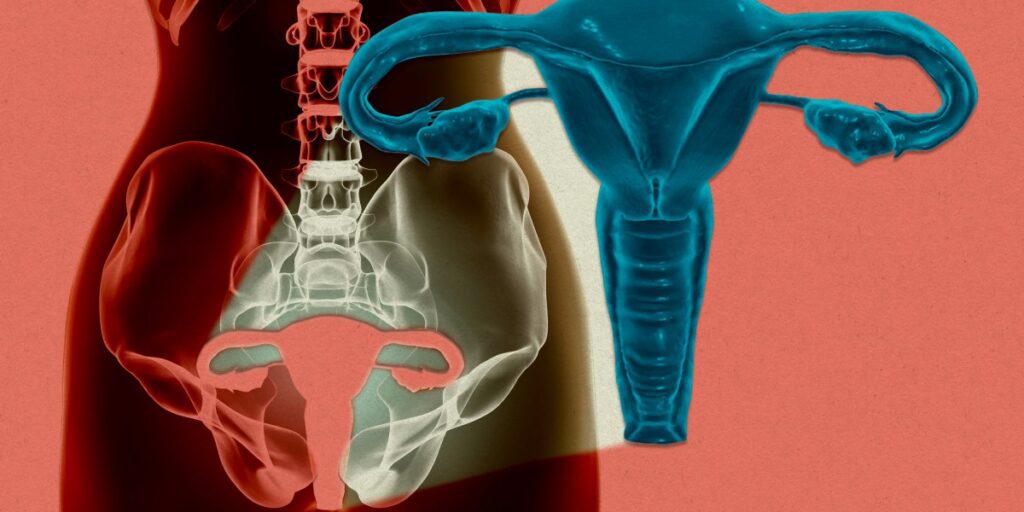
The astronauts conducted ultrasounds of one another using augmented reality assistance, which guided them in using the ultrasound tool and updated the instructions as they completed the task. The ultrasound images were fed into an AI model, which correctly identified the astronauts’ internal organs.
Although this is relatively basic functionality for augmented reality and AI, it’s just a first taste of what future capabilities might be possible with such a system. As astronauts travel beyond the Moon, set up lunar bases, and potentially travel to further planets, they’ll need to rely on each other much more, as ground support systems will take several minutes (or longer) to respond.
Benefits of AI and Augmented Reality in Space Exploration
Using AI and augmented reality could allow for immediate expertise in areas where the astronauts themselves may not be fully proficient. It also provides a backup of knowledge in case certain astronauts become incapacitated, and could provide important immediate assistance instead of having to wait for NASA to respond.
For example, on Mars, NASA recently used AI to map the Perseverance rover’s route. This technology can be applied to various aspects of space exploration, including medical imaging.
Future of AI and Augmented Reality in Space Exploration
As space agencies like NASA continue to push the boundaries of space exploration, the use of AI and augmented reality will become increasingly important. These technologies can help astronauts to stay safe and healthy during long-duration missions, and can also provide critical support in emergency situations.
In conclusion, the use of AI and augmented reality in medical imaging aboard the ISS is a significant step forward for space exploration. As astronauts travel further into space, these technologies will play a critical role in keeping them safe and healthy.
Meanwhile, NASA is preparing the Expedition 74 crew for a spacewalk this week to reroute cables on the port side of the ISS’s orbital power outputs for a new solar array. The spacewalk is estimated to take six and a half hours in total, and astronauts are conducting intensive preparations ahead of it to ensure it goes off without a hitch.
Call to Action
As we continue to explore the possibilities of AI and augmented reality in space exploration, it’s essential to stay up-to-date with the latest developments and advancements in these fields. By doing so, we can unlock new opportunities for space travel and discovery, and push the boundaries of what is possible.
Frequently Asked Questions
- What is the purpose of using AI and augmented reality in medical imaging aboard the ISS? The purpose is to enhance medical capabilities and reduce reliance on ground support.
- How does the AI model identify the astronauts’ internal organs? The AI model is fed ultrasound images, which it uses to correctly identify the organs.
- What are the benefits of using AI and augmented reality in space exploration? The benefits include immediate expertise, backup of knowledge, and critical support in emergency situations.
- How will AI and augmented reality be used in future space missions? These technologies will be used to support astronauts during long-duration missions, and to provide critical support in emergency situations.
- What is the focus keyword for this article? The focus keyword is AI Medical Imaging.