NASA’s Vision for a Lunar Base
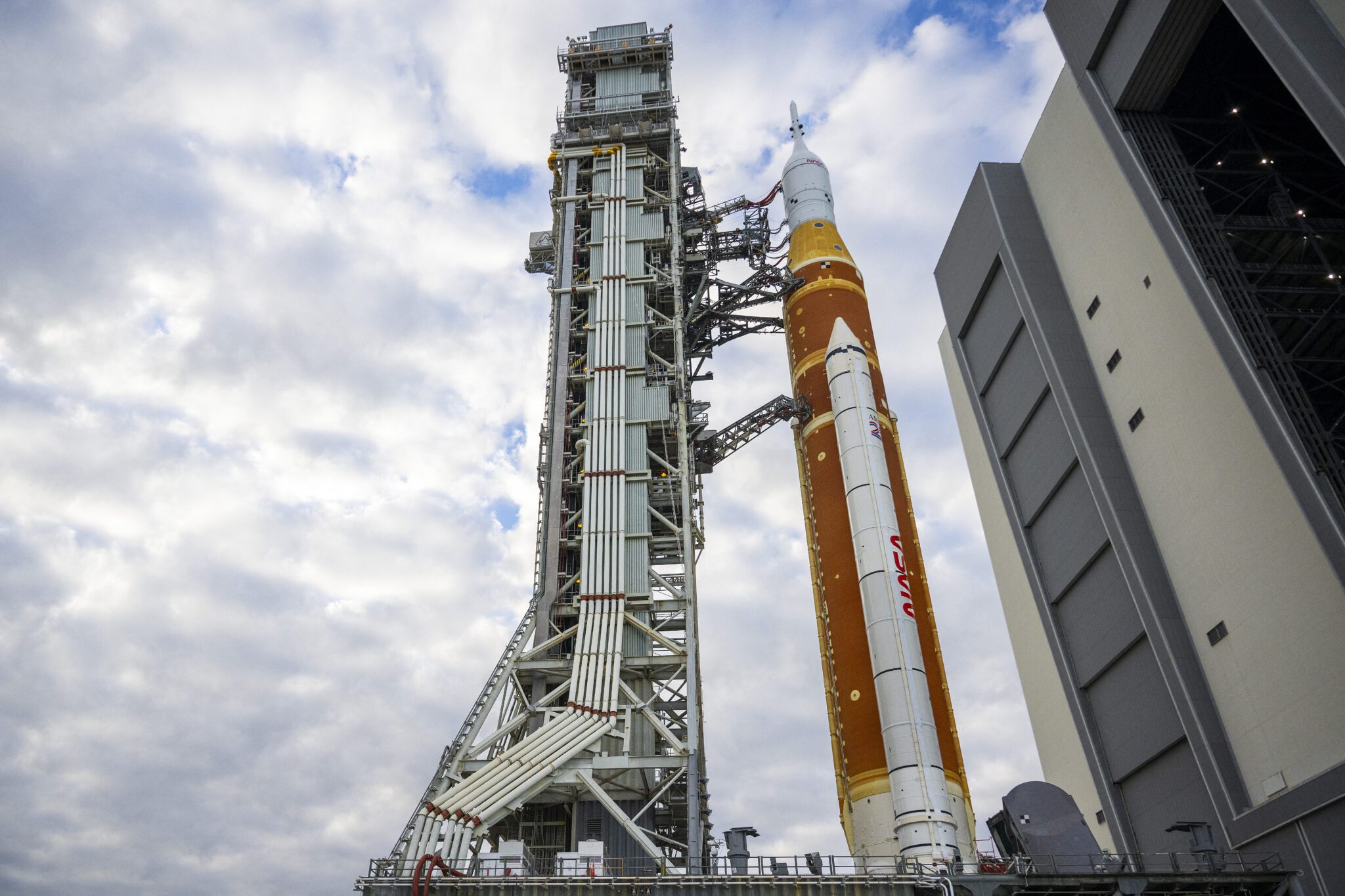
NASA Administrator Jared Isaacman has unveiled plans for a $20 billion lunar base, aiming to establish an enduring presence on the Moon. This ambitious project is part of NASA’s efforts to expand its space exploration capabilities.
Phased Construction of the Lunar Base
The construction of the lunar base will be carried out in three phases. The first phase involves the development of communications and navigation systems, as well as the delivery of robotic landers and vehicles to facilitate astronaut movement on the Moon.
Meanwhile, the second phase will focus on recurring astronaut operations on the surface of the Moon. Additionally, the third phase will involve the establishment of a long-duration human presence, enabling the delivery of heavier infrastructure to create a permanent lunar base.
Challenges in Building a Lunar Base
However, building a lunar base that can support human life will not be without its challenges. For example, NASA will need to contend with extreme temperatures, space radiation, and a low-gravity environment that can affect bone mass, muscle strength, and blood flow.
Furthermore, the lunar surface is constantly bombarded by micrometeorites, which can pose a significant threat to both astronauts and the base’s infrastructure. Therefore, NASA will need to develop innovative solutions to mitigate these risks and ensure the base’s sustainability.
NASA’s Nuclear-Powered Spacecraft to Mars
In addition to the lunar base, NASA has also announced plans to launch a nuclear-powered spacecraft to Mars by the end of 2028. The Space Reactor-1 Freedom will be the first nuclear-powered interplanetary spacecraft, and it will deploy a payload with helicopters similar to Ingenuity, which completed the first powered, controlled flight on Mars in 2021.
Meanwhile, the success of this mission will depend on NASA’s ability to overcome the technical challenges associated with nuclear-powered propulsion. However, if successful, this mission could pave the way for future human exploration of Mars and beyond.
Competition with China
Meanwhile, NASA is facing increasing competition from China, which aims to bring humans to the lunar surface by 2030 and build a base on the Moon. Therefore, NASA must accelerate its efforts to establish a sustainable presence in space and maintain its leadership in the global space race.
Finally, the construction of a lunar base and the launch of a nuclear-powered spacecraft to Mars are just the beginning of NASA’s ambitious plans for space exploration. As the space agency continues to push the boundaries of what is possible, it will be exciting to see what the future holds for human spaceflight and exploration.
Therefore, it is essential to stay up-to-date with the latest developments in space exploration and to support NASA’s efforts to advance our understanding of the universe. By doing so, we can ensure that the United States remains a leader in the global space race and that we continue to push the boundaries of what is possible.
Additionally, the success of NASA’s lunar base and Mars mission will depend on the agency’s ability to collaborate with international partners and to leverage the latest advancements in technology. By working together, we can achieve great things and create a brighter future for humanity.
However, the road ahead will not be easy, and NASA will need to overcome numerous challenges to achieve its goals. Nevertheless, with determination, hard work, and a commitment to excellence, the agency can succeed in its mission to explore the vast expanse of space and to push the boundaries of human knowledge.
Conclusion and Call to Action
In conclusion, NASA’s plans for a $20 billion lunar base and a nuclear-powered spacecraft to Mars are ambitious and exciting. However, they also pose significant challenges that the agency must overcome to succeed.
Therefore, it is essential that we support NASA’s efforts to advance our understanding of the universe and to push the boundaries of what is possible. By doing so, we can ensure that the United States remains a leader in the global space race and that we continue to inspire future generations of scientists, engineers, and explorers.
Finally, we urge you to stay informed about the latest developments in space exploration and to support NASA’s mission to explore the vast expanse of space. Together, we can achieve great things and create a brighter future for humanity.