
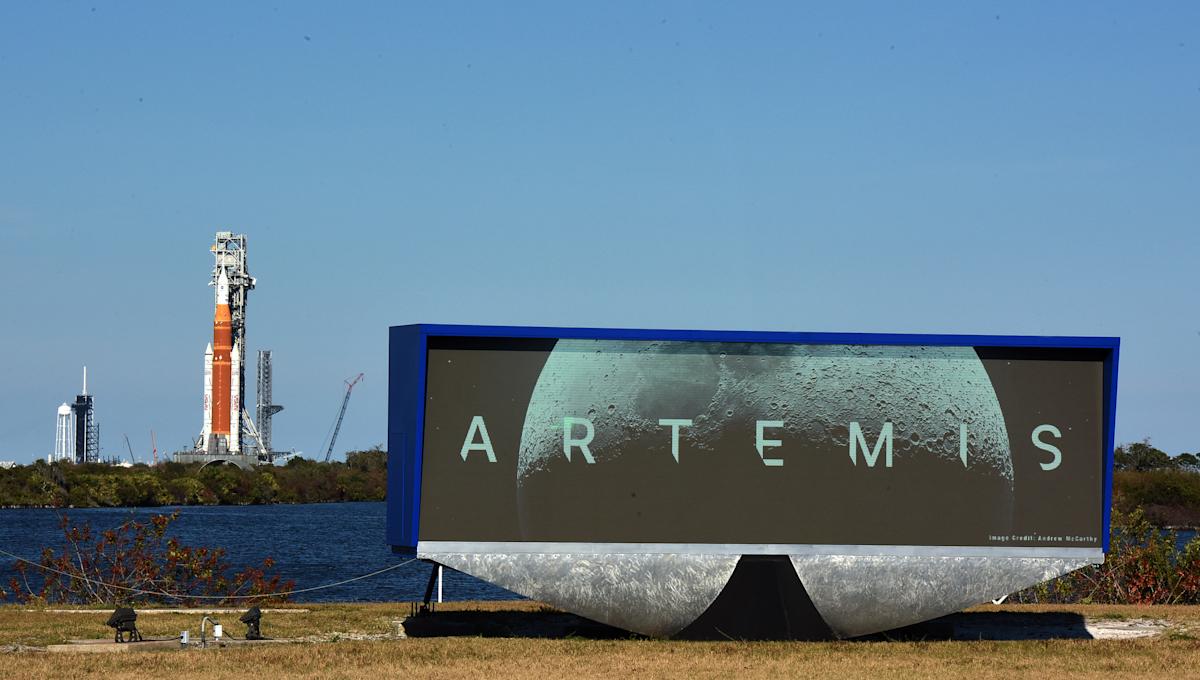
NASA’s Artemis II Launch: April Dates and Mission Details
After months of delays and technical hurdles, NASA is preparing for a critical milestone in its Artemis program. The Artemis II mission, the first crewed lunar flight since the 1970s, is now targeting April 1, 2026, with four potential launch windows between April 1 and 6. This mission will carry four astronauts on a 10-day journey around the Moon, marking a pivotal step toward future lunar landings.
Artemis II Launch Dates: What You Need to Know
NASA’s primary launch window is April 1 at 6:24 PM ET, followed by a secondary opportunity on April 2 at 7:22 PM ET. The agency has identified four total launch chances during this six-day period, though weather, technical readiness, and hardware status will ultimately determine the final date.
Key Timeline Updates
- March 19, 2026: Artemis II will roll back to the launch pad for final preparations.
- April 1–6, 2026: Four potential launch opportunities based on hardware readiness.
Mission Preparations and Challenges
Acting NASA Associate Administrator Lori Glaze emphasized that the agency remains “guided by what the hardware is telling us.” Recent setbacks, including a helium flow blockage in the rocket’s upper stage, forced delays from February to March and now to April. While NASA is confident in the April 1 target, Glaze warned, “There are still things that need to be done within the Vehicle Assembly Building and out at the pad.”
Why April? The Science Behind the Schedule
The April timeframe aligns with optimal lunar orbital mechanics and Earth-Moon alignment. NASA’s decision to prioritize this window reflects a balance between technical readiness and mission efficiency. As John Honeycutt, Artemis II Mission Management Team chair, noted, “We will launch when we’re ready.”
Artemis II: A New Era in Lunar Exploration
This mission is more than a test flight. It’s the first crewed use of the Orion spacecraft and a precursor to the Artemis III Moon landing, now scheduled for 2028. The 10-day journey will test life support systems, navigation, and crew endurance in deep space. For NASA Administrator Jared Isaacman, Artemis II represents a “renewed commitment to lunar exploration and international collaboration.”
What Went Wrong Before?
The initial February 2026 launch was postponed due to issues during a wet dress rehearsal. A subsequent March attempt was canceled after engineers discovered a helium leak in the rocket’s upper stage. These delays highlight the complexity of human spaceflight but also underscore NASA’s commitment to safety.
Why This Mission Matters
Artemis II bridges decades of space exploration. Since Apollo 17 in 1972, no human has traveled beyond low Earth orbit. This mission will:
- Validate Orion’s systems for deep space travel.
- Test emergency abort procedures.
- Prepare for sustainable lunar exploration.
As Lori Glaze stated, “Artemis II is about proving we can take humans to the Moon and bring them back safely.”
Stay Tuned for Updates
Follow NASA’s official channels for real-time updates on Artemis II. With launch day approaching, the world will watch as this historic mission takes flight. Whether April 1 or April 6, the Artemis II launch is a testament to human ingenuity and the enduring spirit of exploration.








