Introduction: A Controversial Step in Space Exploration
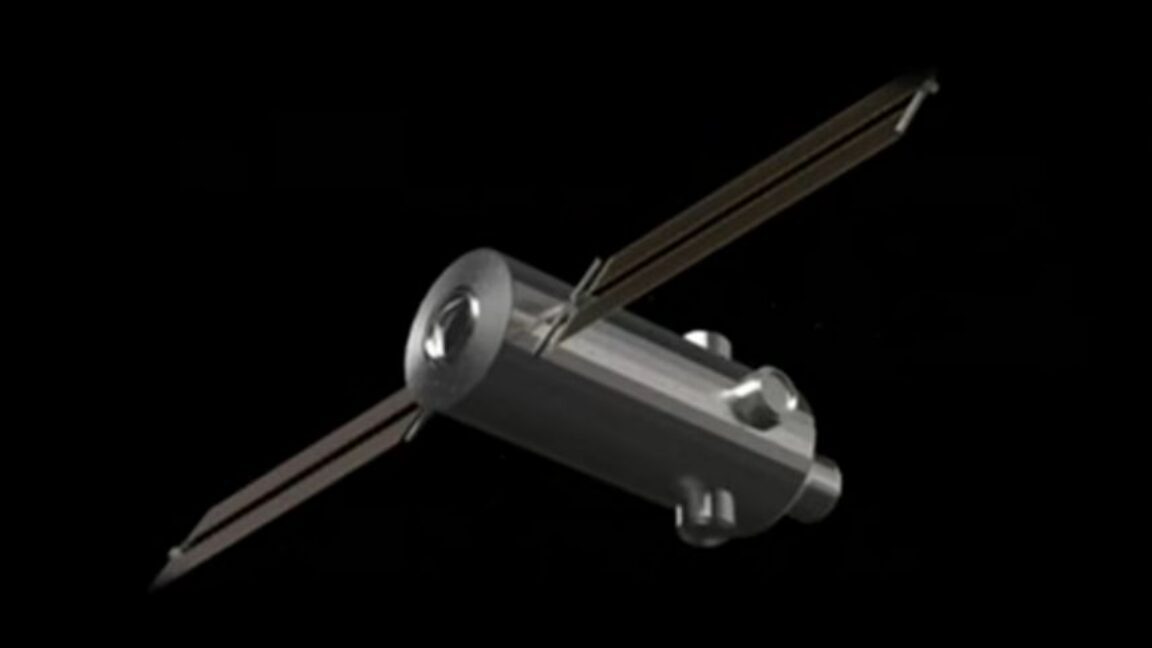
NASA’s recent proposal to add a new core module to the International Space Station has ignited fierce debate among industry leaders and policymakers. While the agency aims to extend the ISS’s lifespan, private companies argue the plan undermines their efforts to build independent commercial space stations. This shift has left many questioning NASA’s strategy—and the future of low-Earth orbit (LEO) commercialization.
What NASA Proposed—and Why It’s Causing Fuss
At its Ignition event in March 2026, NASA outlined a revised approach to LEO development. Instead of supporting standalone commercial space stations, the agency now wants private companies to build modules that dock with the ISS. This move, led by ISS program manager Dana Weigel, has been met with skepticism. Critics argue it delays the transition to a fully commercial ecosystem and creates uncertainty for investors.
Industry Pushback: A “Lucy and Charlie Brown” Scenario
Commercial space advocates, including the Commercial Spaceflight Federation’s Dave Cavossa, have likened NASA’s approach to the Peanuts comic where Lucy repeatedly pulls the football away from Charlie Brown. Cavossa stated the proposal “sows confusion” among companies like Axiom Space and Blue Origin, which had already invested heavily in independent station designs. The lack of a clear roadmap, he argued, risks stifling innovation.
Why NASA Is Reversing Course
NASA’s hesitation stems from practical challenges. Building commercial space stations is technically complex and costly. The agency’s own Lunar Gateway project, for example, has faced delays and corrosion issues in its modules. With no clear timeline for private companies to deliver viable stations by 2030, NASA is doubling down on its control over LEO infrastructure.
Challenges in Commercializing Low-Earth Orbit
- Uncertain Demand: Private companies lack guaranteed customers for space station services.
- Funding Gaps: NASA’s financial support has been inconsistent, forcing companies to pivot strategies.
- Regulatory Hurdles: Outdated policies slow progress in space station development.
Lessons from Past Transitions
NASA’s history of abrupt shifts—from the Space Shuttle to the ISS—has often left industry partners scrambling. The 2011-2020 gap, when the U.S. relied on Russia for astronaut transport, highlights the risks of delayed planning. Today’s commercial space sector faces similar challenges without the same level of government backing.
What’s Next for LEO Development?
Industry leaders are calling for clarity. Axiom Space CEO Michael Lopez-Alegria emphasized the need for a “stable, long-term partnership” with NASA. Meanwhile, lawmakers are pushing for a formal request for proposals (RFP) to define NASA’s requirements. Without this, the path to commercial space stations remains murky.
Conclusion: A Critical Juncture for Space Policy
NASA’s core module proposal reflects a broader tension between government oversight and private innovation. While the agency seeks to mitigate risks, its approach risks alienating the very companies it hopes to collaborate with. For LEO to thrive, stakeholders must find a balance between regulation and autonomy. What do you think? Share your perspective on NASA’s strategy in the comments below.