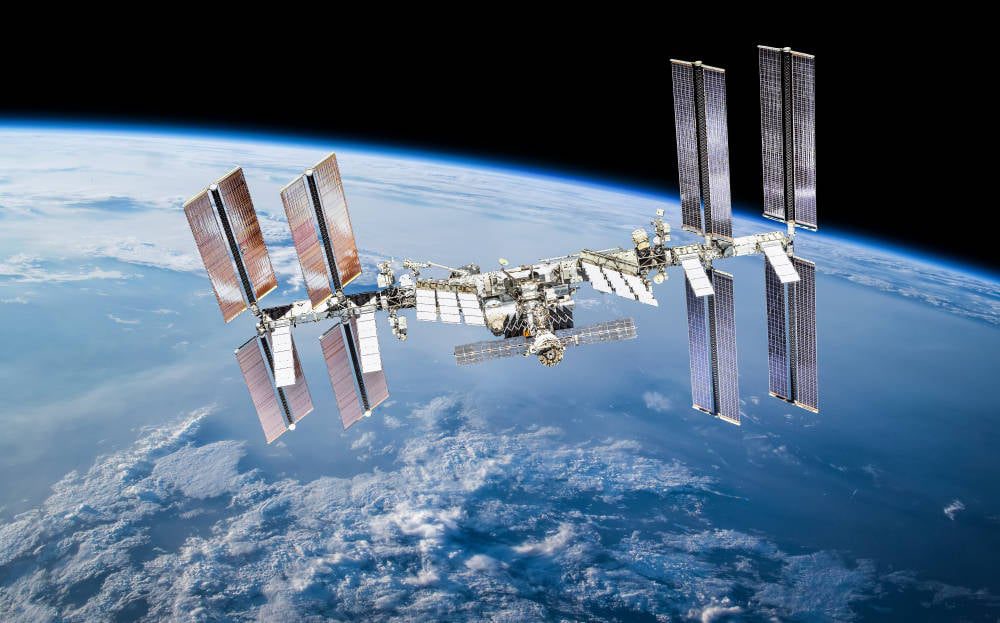
NASA’s Shifting ISS Policy Sparks Industry Concern
When NASA adjusts its plans, the ripple effects can shake the entire commercial space sector. Recent changes to the International Space Station (ISS) replacement strategy have left private companies frustrated, with some comparing the agency’s approach to “Lucy and Charlie Brown with the football.” Here’s why this shift matters—and what it means for the future of space exploration.
Industry Frustration Over Shifting Goals
The core issue lies in NASA’s evolving vision for low Earth orbit (LEO). For years, private companies have been tasked with building the next generation of space stations after the ISS is deorbited by 2032. However, NASA’s latest proposal—a government-built core module that would compete with commercial designs—has thrown the industry into disarray.
The “Lucy and Charlie Brown” Analogy
Dave Cavossa, President of the Commercial Space Federation, likened NASA’s changing requirements to the classic Peanuts comic. “Every time the industry prepares to act, the goalposts shift,” he said during a House Committee hearing. This unpredictability makes it hard for companies to secure funding or finalize designs.
Ripple Effects on Investment and Innovation
Uncertainty isn’t just a buzzword—it’s a barrier to progress. Cavossa highlighted how NASA’s shifting timelines and requirements are eroding investor confidence. For example, the agency’s recent “Ignition” plan proposes a core module that would require commercial stations to dock with the ISS to meet “unknown requirements.” This adds complexity and delays to an already tight schedule.
NASA’s New Approach and Industry Response
While the commercial sector grapples with these changes, NASA defends its pivot as necessary. The agency argues that previous plans for LEO development fell short, creating a potential gap between the ISS’s retirement and the next phase of space infrastructure.
The Core Module Plan
Joel Montalbano, NASA’s Acting Associate Administrator for Space Operations, outlined the agency’s new strategy: a core module attached to the ISS, with docking ports for commercial providers. The goal is to transition this module into a free-flying station after 2032. However, critics question how this can be achieved within the ISS’s operational window.
Challenges in Execution
- Timeline Constraints: Building even a single ISS module typically takes a decade. With the ISS set for deorbiting by 2032, NASA’s “shortcut” approach faces logistical hurdles.
- Resource Allocation: Competing with private companies for funding and expertise could stifle innovation rather than foster it.
- Regulatory Uncertainty: Vague requirements force companies to guess at NASA’s evolving priorities.
The Path Forward for LEO Development
For NASA and the commercial sector to align, both sides must prioritize stability and collaboration.
Balancing Ambition with Realism
George Whitesides (D-CA) raised a critical point during the hearing: “Where are we going to get this new thing?” The answer lies in realistic timelines and clear communication. NASA’s RFI (Request for Information) process is a step in the right direction, but it must avoid creating new bottlenecks.
The Need for Stability and Collaboration
Cavossa’s advice is simple yet profound: “Don’t yank the football away just as we’re ready to kick it.” A stable policy framework would allow companies to innovate without constant disruption. This includes:
- Fixed deadlines for ISS deorbiting and replacement.
- Transparent guidelines for commercial partnerships.
- Shared funding models to reduce financial risk.
Conclusion: A Call for Clarity and Confidence
The ISS has been a symbol of international cooperation and scientific progress. Its successor must be built on the same principles—only this time, with a clear roadmap. For the commercial space industry to thrive, NASA must stop moving the goalposts and start delivering on its promises. The future of LEO depends on it.
Stay informed: Follow our blog for updates on NASA’s ISS replacement plans and their impact on space innovation.