Introduction: NATO Unveils Ambitious 2025 Defense Strategy
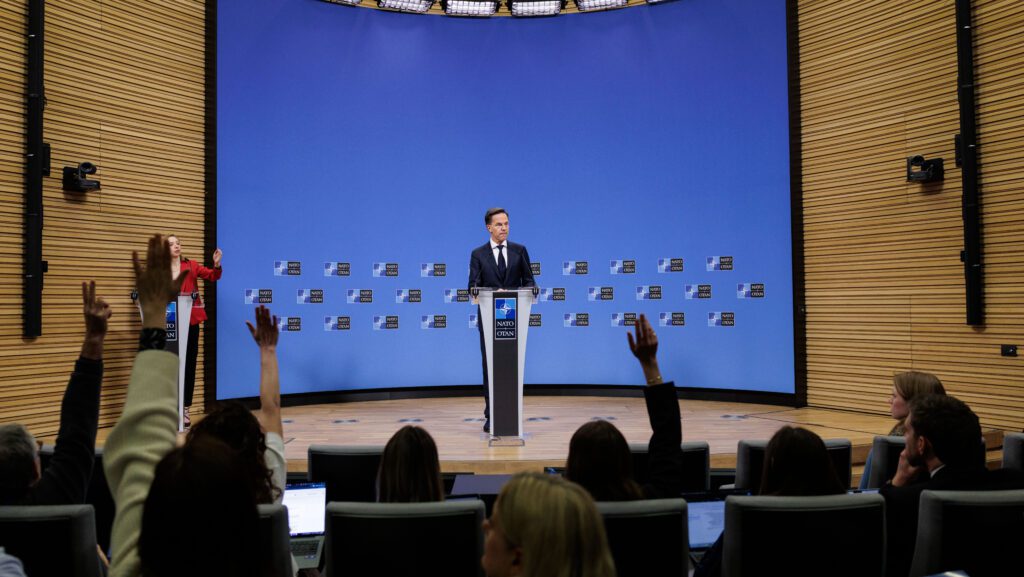
Brussels has become the epicenter of global defense planning as NATO Secretary General Mark Rutte launched the alliance’s 2025 Annual Report on March 26. The report highlights a staggering $145 billion shared requirement for munitions and air defense systems across member states—a figure that underscores the alliance’s commitment to modernizing its military capabilities. With U.S. President Donald Trump’s influence credited for pushing defense spending benchmarks, this report marks a pivotal shift in NATO’s strategic priorities.
Key Highlights from the 2025 Report
Defense Spending Milestone
For the first time, all 32 NATO members met or exceeded the 2% GDP defense spending target in 2024. Rutte attributed this achievement to sustained pressure from the U.S. administration, which has long criticized European allies for underfunding their militaries. While the U.S. still covers 60% of NATO’s defense costs, European and Canadian contributions rose by 20% year-over-year, reflecting a growing sense of collective responsibility.
Shift in Spending Priorities
Modernization is now the name of the game. Unlike past years, where budgets heavily favored personnel and operations, 2025 spending is focused on advanced weaponry. The Reoccurring Process for Aggregating Demand (REPEAD) identified $145 billion in urgent needs for missiles, bombs, drones, and precision strike systems. This pivot signals a strategic move toward technological superiority and rapid response capabilities.
The U.S. and Europe: A New Balance of Power
Washington’s dominance in NATO funding remains unchallenged, but European nations are stepping up. A $94 billion increase in European defense spending in 2024 demonstrates this shift. Rutte emphasized that the alliance is now collaborating with industry partners to meet these demands “quickly and economically.” This partnership model aims to reduce delays and ensure cost efficiency in production.
Challenges and Opportunities
- Supply Chain Coordination: Pooling requirements across 32 nations requires seamless logistics and industrial cooperation.
- Technological Innovation: Investments in AI-driven systems and next-gen drones are critical for maintaining a competitive edge.
- Political Will: Sustaining the 2% benchmark will depend on continued political alignment, especially with shifting U.S. administrations.
What This Means for Global Security
The $145 billion plan isn’t just about numbers—it’s a statement of intent. By prioritizing munitions and air defense, NATO is preparing for hybrid threats, cyber warfare, and regional conflicts. The alliance’s ability to translate this funding into operational readiness will determine its effectiveness in the coming decade.
Conclusion: A Call for Strategic Transparency
As NATO moves forward with its 2025 defense agenda, transparency and accountability will be key. Readers are encouraged to follow updates on how these funds are allocated and how they impact global stability. Share your thoughts in the comments below—what role do you think emerging technologies should play in NATO’s modernization efforts?