
NATO Defense Strategy Shift: Europe’s Path to Self-Defense
Eastern Sentry Initiative and the 2035 Timeline
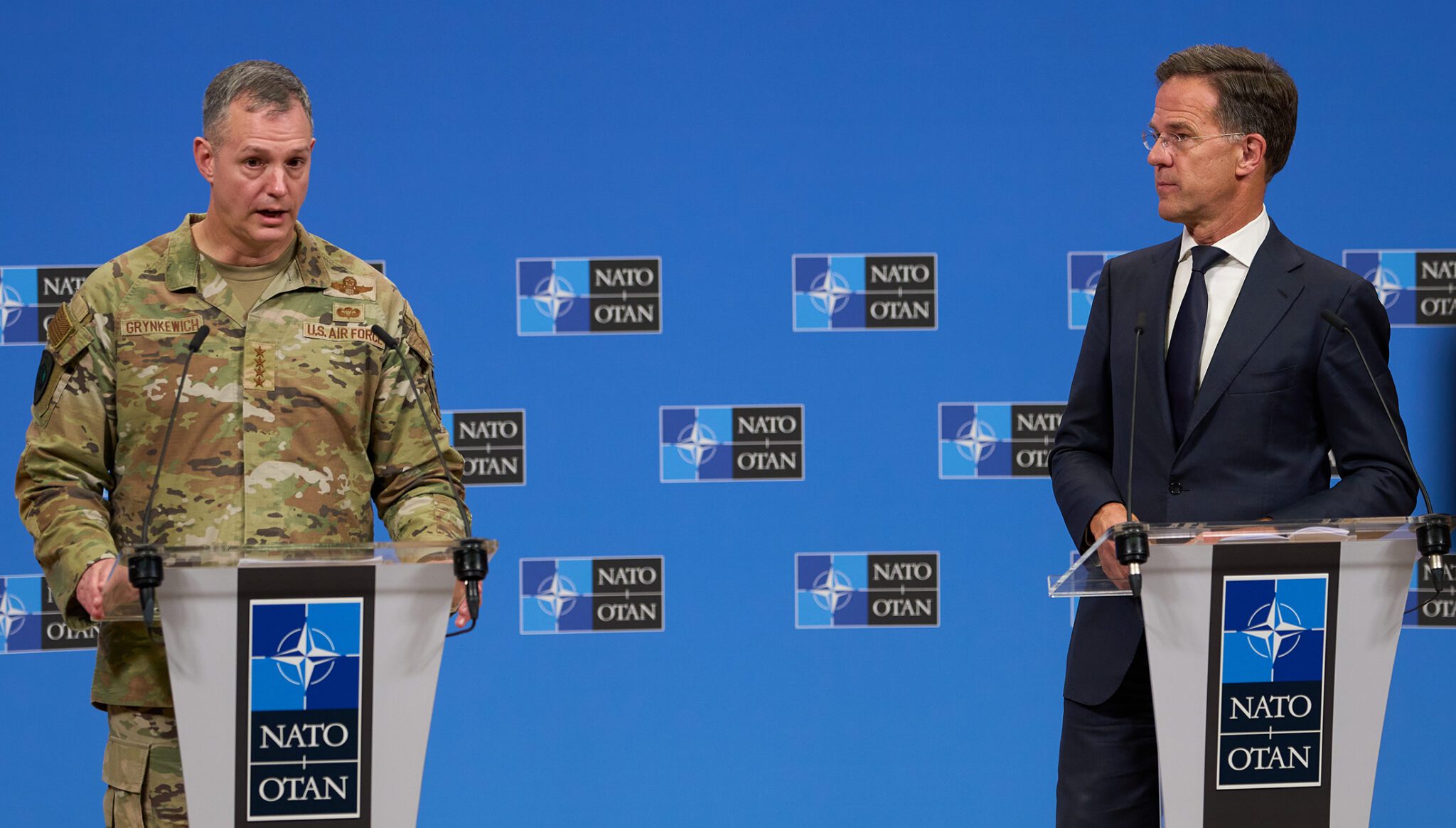
NATO Secretary General Mark Rutte and Supreme Allied Commander Europe, Gen. Alexus Grynkewich, recently announced the Eastern Sentry initiative, signaling a strategic pivot in transatlantic defense. The plan envisions Europe taking the lead in its own defense by 2035, a timeline rooted in increased military spending and industrial capacity.
Progress Toward 5% GDP Defense Spending
Grynkewich highlighted that several NATO members are nearing or have met the alliance’s 5% GDP defense spending target. However, he emphasized that building a self-sufficient defense industrial base will take time. “By the end of this decade, they will have made great progress,” he stated, projecting full readiness by 2035.
U.S. Strategy and the ‘NATO 3.0’ Controversy
The shift aligns with the Trump administration’s push to reduce the U.S. military footprint in Europe, freeing resources for the Indo-Pacific. Critics, including Senate Armed Services Committee Chair Roger Wicker, have rejected the “NATO 3.0” vision, warning it could create vulnerabilities amid Russia’s ongoing war in Ukraine. Wicker’s committee has since imposed a “floor” on U.S. force reductions in Europe.
Challenges and Regional Responses
European Rearmament and Nuclear Deterrence
Faced with Russian aggression and U.S. strategic realignment, European nations are accelerating rearmament. France, for instance, has explored assuming a leading role in European nuclear deterrence. Yet, lingering concerns about U.S. commitment persist, particularly after the 2023 withdrawal of a U.S. brigade from Romania.
Supply Chain Vulnerabilities
The ongoing Iran-Israel conflict has exposed risks to global supply chains. Gen. Randall Reed, Commander of U.S. Transportation Command, noted disruptions in commercial shipping through the Strait of Hormuz but stressed alternative routes remain viable. TRANSCOM continues to rely on commercial carriers despite heightened risks.
Future of NATO Defense Planning
Updating Integrated Air and Missile Defense
Grynkewich confirmed NATO’s plan to revise its integrated air and missile defense strategy, the first overhaul in decades. This update aims to address emerging threats and technological advancements.
Strategic Implications
The 2035 timeline represents a pivotal moment for NATO. As Europe builds its defense capabilities, the alliance must balance self-reliance with transatlantic unity. The success of Eastern Sentry will depend on sustained investment, industrial innovation, and political cooperation.
Conclusion: A New Era for European Defense
The shift toward European-led defense marks a historic evolution in NATO’s strategy. While challenges remain, the 2035 goal offers a clear roadmap. For readers interested in defense policy, tracking progress on Eastern Sentry and regional spending trends will be critical. Stay informed as this strategic transition unfolds over the next decade.








