
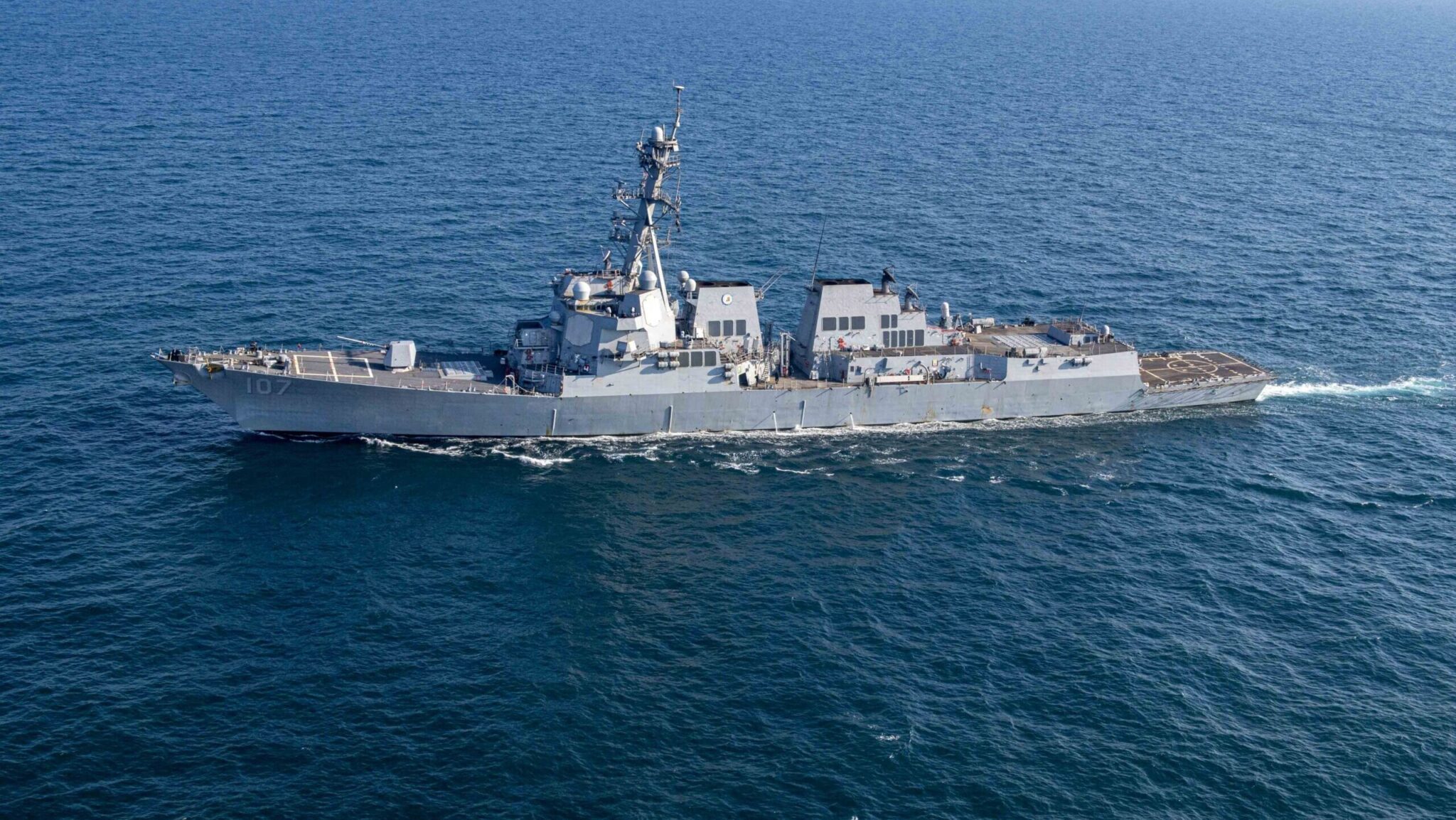
U.S. Navy Tanker Escorts in the Strait of Hormuz: A New Security Strategy
President Donald Trump recently announced plans for the U.S. Navy to escort tankers through the Strait of Hormuz, a critical energy corridor. This move aims to safeguard global energy flows amid rising tensions in the region. But how does this strategy compare to past operations, and what risks remain? Let’s break down the details.
Historical Precedent: From Red Sea to Persian Gulf
The U.S. has a history of naval escorts in volatile regions. In 2023, the Dwight D. Eisenhower Carrier Strike Group led Operation Prosperity Guardian to counter Houthi attacks in the Red Sea. Guided-missile destroyers like the USS Gravely played a key role, downing drones and missiles to protect civilian ships.
Operation Earnest Will: Lessons from the 1980s
- In the 1980s, the Navy escorted Kuwaiti tankers during the Iran-Iraq War.
- Ships like the USS Joseph Strauss and USS John S. McCain patrolled the Persian Gulf.
- These missions highlighted the risks of direct confrontation with Iranian forces.
Current Strategy: Trump’s Announcement and Risks
Trump’s proposal to deploy Navy escorts in the Strait of Hormuz follows recent spikes in oil prices and Operation Epic Fury. However, experts warn of potential escalation. Bryan Clark, a retired Navy strategist, notes that Iran could overwhelm U.S. defenses if attacks intensify.
Key Challenges for Navy Tanker Escorts
- Missile Threats: Houthi and Iranian forces have advanced anti-ship capabilities.
- Coordination Gaps: Multinational efforts require precise logistics and intelligence sharing.
- Escalation Risks: Direct military engagement could trigger broader conflict.
What This Means for Global Energy Markets
Oil prices have already risen following Trump’s announcement. AAA reports gas prices jumped to $3.11 per gallon in March 2026, up from $2.95 the previous week. The administration’s “political risk insurance” for shipping lines aims to stabilize markets but faces skepticism from industry leaders.
Expert Insights: Air Campaigns as a Complement
Clark emphasizes the need for air support to detect and neutralize missile launchers targeting tankers. This layered approach mirrors strategies used in the Red Sea, where destroyers worked alongside drones and fighter jets.
Conclusion: Balancing Security and Stability
While Navy tanker escorts offer a visible deterrent, their success depends on coordination with allies and proactive threat detection. As tensions persist, the U.S. must weigh military readiness against the economic and diplomatic costs of escalation.
Call to Action: Stay informed about global energy security developments. Follow our blog for updates on military operations and their impact on markets.








