Introduction to the Leadership Change
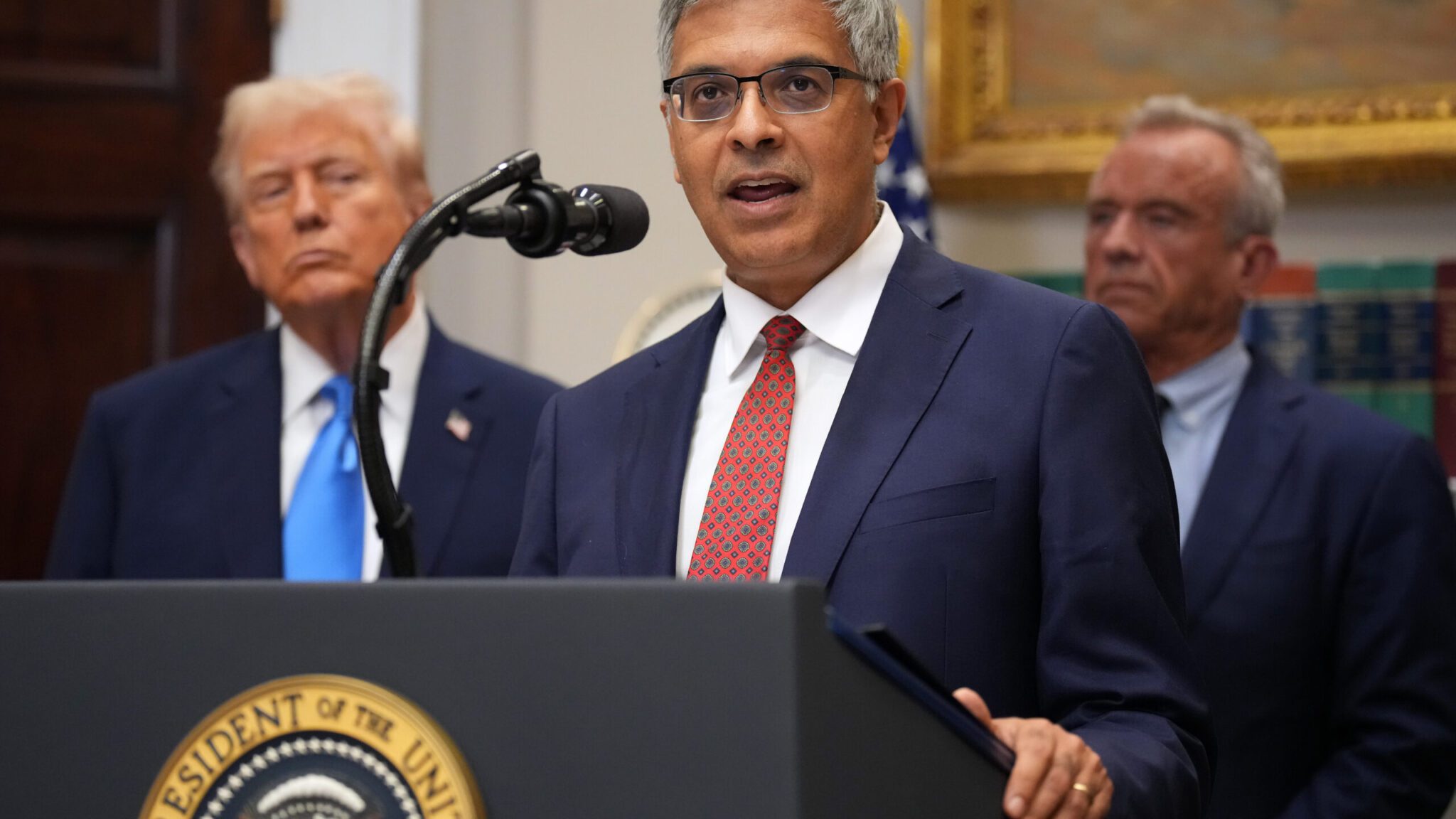
The recent announcement that the NIH director will also be in charge of the CDC has sparked controversy and debate. This unusual dual role has raised questions about the leadership and direction of these two critical health organizations.
The decision to appoint the NIH director to also lead the CDC has been met with criticism, particularly regarding the lack of leadership experience of the individual in question, Bhattacharya. This move is seen as part of a larger shake-up initiated by RFK Jr., which has significant implications for the future of public health in the country.
The Role of the NIH and CDC
The National Institutes of Health (NIH) and the Centers for Disease Control and Prevention (CDC) are two of the most important health organizations in the United States. The NIH is responsible for conducting and supporting medical research, while the CDC focuses on protecting the public from health threats, both domestic and foreign.
The leadership of these organizations is crucial, as it sets the tone for the direction of research, policy, and public health initiatives. The appointment of the NIH director to also lead the CDC has raised concerns about the potential impact on the independence and effectiveness of both organizations.
Criticism and Controversy
The decision to appoint the NIH director to also lead the CDC has been criticized by many, who argue that it undermines the independence of the CDC and could lead to conflicts of interest. The lack of leadership experience of Bhattacharya has also been cited as a concern, with many questioning whether he has the necessary skills and expertise to effectively lead both organizations.
The controversy surrounding this appointment is not limited to the individuals involved, but also reflects broader concerns about the politicization of public health and the potential erosion of trust in these critical institutions.
Technical Insights
- The dual role of the NIH director and CDC director could lead to conflicts of interest and undermine the independence of the CDC.
- The lack of leadership experience of Bhattacharya has raised concerns about his ability to effectively lead both organizations.
- The appointment is seen as part of a larger shake-up initiated by RFK Jr., which has significant implications for the future of public health in the country.
- The leadership of the NIH and CDC is crucial, as it sets the tone for the direction of research, policy, and public health initiatives.
- The controversy surrounding this appointment reflects broader concerns about the politicization of public health and the potential erosion of trust in these critical institutions.
Conclusion
The appointment of the NIH director to also lead the CDC is a controversial move that has raised concerns about the leadership and direction of these two critical health organizations. The lack of leadership experience of Bhattacharya and the potential conflicts of interest have been cited as major concerns. As the country navigates the complex landscape of public health, it is essential to ensure that these organizations are led by individuals with the necessary skills, expertise, and independence to effectively address the challenges ahead.