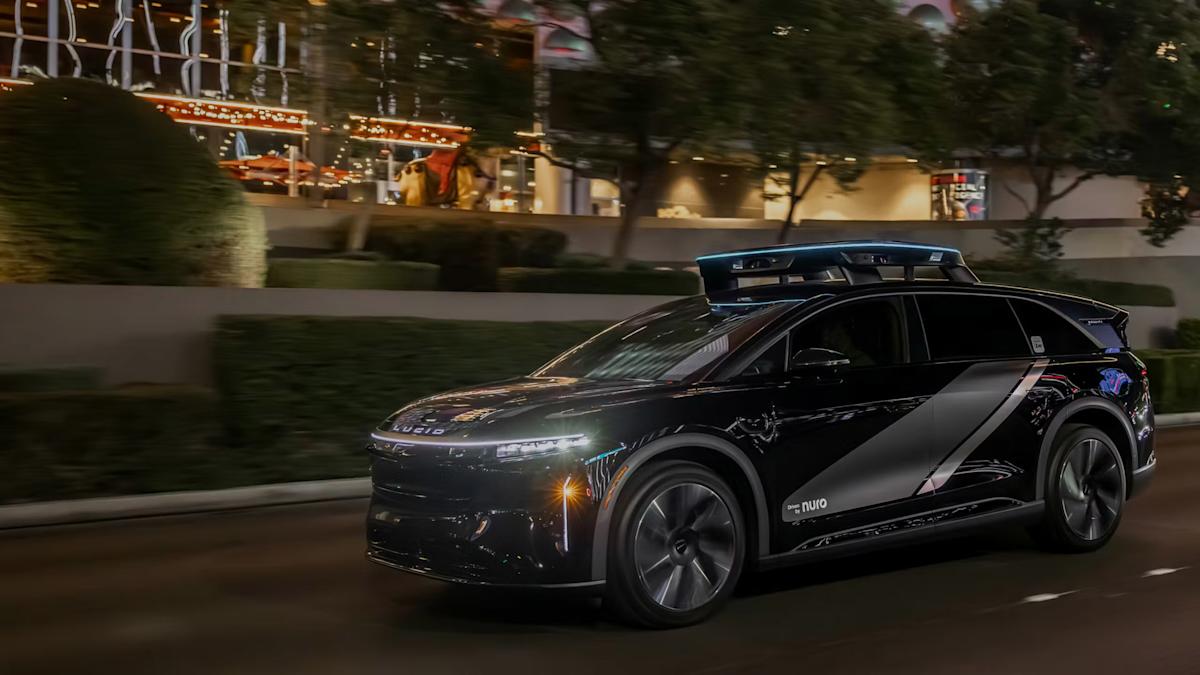
Autonomous Vehicles in Tokyo: A New Challenge
Nuro, a US self-driving startup backed by NVIDIA, Toyota, and Uber, has begun testing its autonomous vehicles in Tokyo. The city’s narrow streets and brutal traffic will present a ‘pressure test’ for the tech, according to CEO Andrew Chapin.
Meanwhile, the company plans to launch a robotaxi service with Uber and Lucid in San Francisco this year. However, Tokyo’s challenging environment will help Nuro refine its autonomy system. For example, the city’s left-side driving and crowded streets require a high level of precision and adaptability.
Autonomous Vehicles in Tokyo: Challenges and Opportunities
Testing autonomous vehicles in Tokyo is a significant step for Nuro. The company will be testing a ‘handful’ of vehicles in the city, with human safety drivers at the wheel, as required by Japanese law. Additionally, Nuro aims to achieve Level 4 autonomy, which allows full self-driving under limited conditions.
Furthermore, Tokyo’s unique environment will help Nuro develop a more robust autonomy system. The company’s ultimate goal is to create a universal autonomy platform that can be extended to various applications and form factors. Therefore, the testing in Tokyo is a crucial step towards achieving this goal.
Partnerships and Collaborations
Nuro has yet to announce which operators or vehicle manufacturers it will be partnering with in Tokyo. However, the company has previously teamed with 7-Eleven on autonomous deliveries in Mountain View, California. Meanwhile, Uber plans to have up to 100,000 autonomous vehicles, including 20,000 robotaxis powered by Lucid and Nuro, with a rollout starting in 2027.
Additionally, Uber is collaborating with Nissan and Wayve to introduce pilot cars in Tokyo by late 2026. The company introduced its new vehicle design recently at CES 2026. Moreover, Waymo is the other major robotaxi operator testing vehicles in Tokyo in collaboration with Japanese taxi operators Nihon Kotsu and the country’s leading taxi app, Go.
Conclusion and Future Plans
In conclusion, Nuro’s testing of autonomous vehicles in Tokyo is a significant step towards achieving Level 4 autonomy. The company’s goal is to create a universal autonomy platform that can be extended to various applications and form factors. Therefore, the testing in Tokyo is a crucial step towards achieving this goal.
Finally, as the autonomous vehicle industry continues to evolve, we can expect to see more companies like Nuro and Waymo testing and refining their technology in challenging environments like Tokyo. For more information on autonomous vehicles and their applications, please visit our website.
Frequently Asked Questions
- What is Nuro, and what does it do? Nuro is a US self-driving startup that develops autonomous vehicles for various applications, including robotaxis and deliveries.
- What is the significance of testing autonomous vehicles in Tokyo? Tokyo’s challenging environment, with its narrow streets and left-side driving, presents a ‘pressure test’ for autonomous vehicle technology.
- What is Level 4 autonomy, and why is it important? Level 4 autonomy allows full self-driving under limited conditions, which is a crucial step towards achieving fully autonomous vehicles.
- Who are Nuro’s partners, and what are their roles? Nuro is backed by NVIDIA, Toyota, and Uber, and has partnered with 7-Eleven on autonomous deliveries in Mountain View, California.
- What are the future plans for Nuro and autonomous vehicles in Tokyo? Nuro plans to launch a robotaxi service with Uber and Lucid in San Francisco this year, and Uber plans to have up to 100,000 autonomous vehicles, including 20,000 robotaxis powered by Lucid and Nuro, with a rollout starting in 2027.