Nvidia AI Chips in China: Universities Bypass US Export Controls?
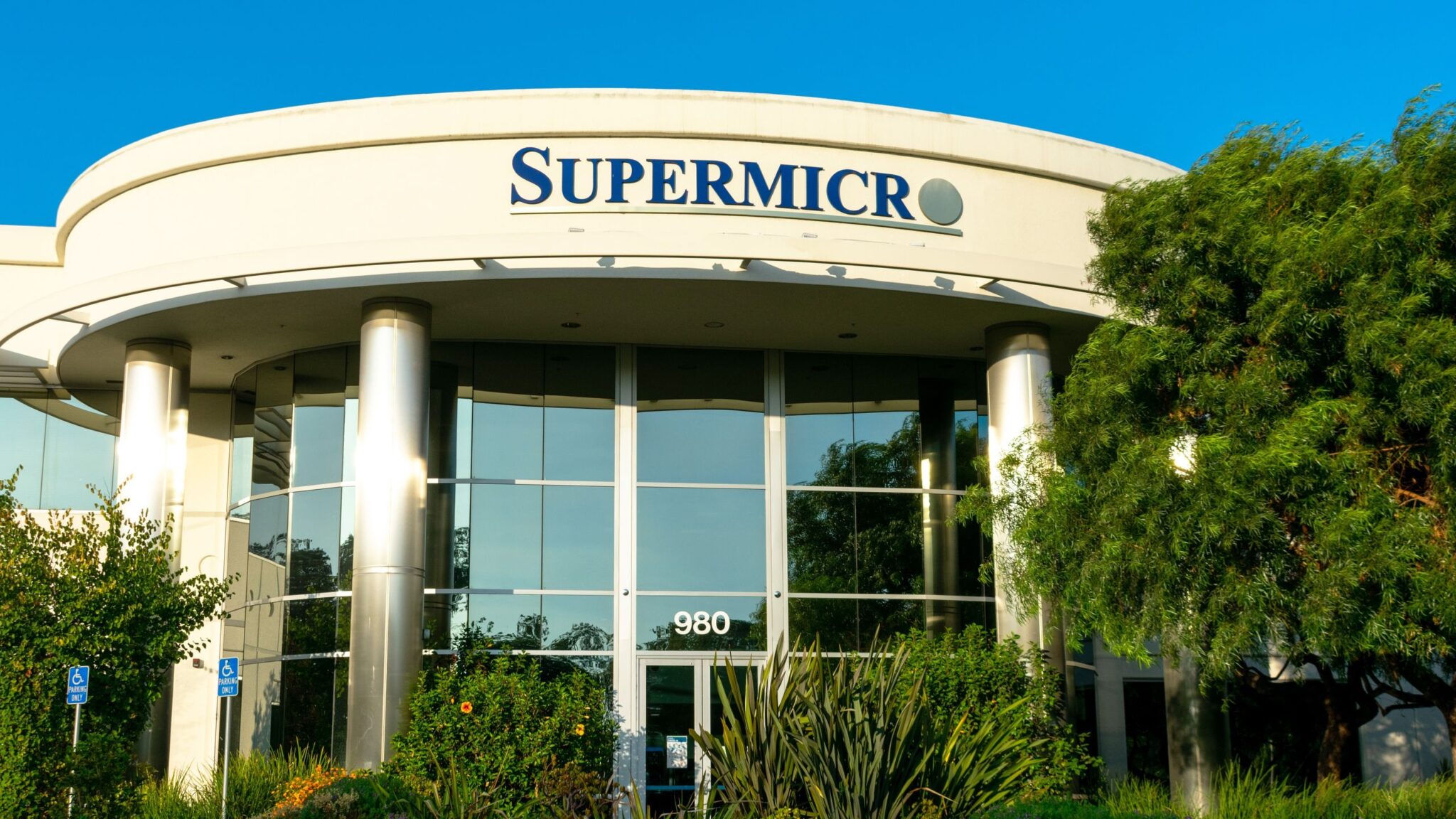
Public documents reveal a startling trend: Chinese universities conducting military research have acquired Super Micro servers equipped with sanctioned Nvidia AI chips. Despite U.S. export controls, these purchases were completed in 2025 and 2026, raising questions about compliance and global tech ethics. This article unpacks the implications and what it means for the future of AI development.
How Did This Happen?
The U.S. government has long restricted the export of advanced AI chips to China due to national security concerns. Nvidia’s high-performance GPUs, such as the A100 and H100, are central to AI research but are explicitly banned for use in military applications. Yet, Chinese institutions have found ways to acquire these chips through Super Micro servers, which are pre-configured systems often bypassing direct chip export rules.
Key Details from the Documents
- Timeline: Purchases occurred in 2025 and 2026, suggesting a deliberate strategy to circumvent regulations.
- Parties Involved: Super Micro, a U.S.-based server manufacturer, supplied the hardware, while Chinese universities handled the research.
- Export Controls: The U.S. Department of Commerce’s Entity List prohibits sales to entities linked to military research, yet these transactions proceeded.
Why This Matters for Global Tech
The acquisition of sanctioned chips by Chinese universities has far-reaching consequences. These institutions are not just advancing AI research—they’re potentially developing technologies that could outpace Western innovations. For example, AI-driven defense systems or quantum computing breakthroughs could emerge from these projects, shifting the balance of global technological power.
Risks and Ethical Dilemmas
1. **Dual-Use Dilemma:** AI chips designed for civilian applications can be repurposed for military use, such as autonomous weapons or surveillance systems.
2. **Supply Chain Vulnerabilities:** Super Micro’s role highlights gaps in how tech companies vet customers, even when contracts are public record.
3. **Geopolitical Tensions:** This issue could escalate trade disputes between the U.S. and China, with ripple effects on global tech collaboration.
What Can Be Done?
Addressing this challenge requires a multi-pronged approach. Here are actionable steps for stakeholders:
- Stricter Export Audits: Governments must enforce real-time tracking of AI hardware sales to ensure compliance with sanctions.
- Corporate Accountability: Tech firms like Super Micro should face penalties for facilitating unauthorized transactions.
- Public Transparency: Disclose all contracts involving sanctioned tech to prevent covert deals.
Conclusion: A Call for Global Oversight
The case of Chinese universities acquiring Nvidia AI chips underscores the urgent need for international cooperation. Without stricter enforcement of export controls, the race for AI dominance could lead to unintended consequences. As consumers and tech professionals, we must advocate for ethical innovation. Share your thoughts in the comments—how do you think the world should respond to this issue?