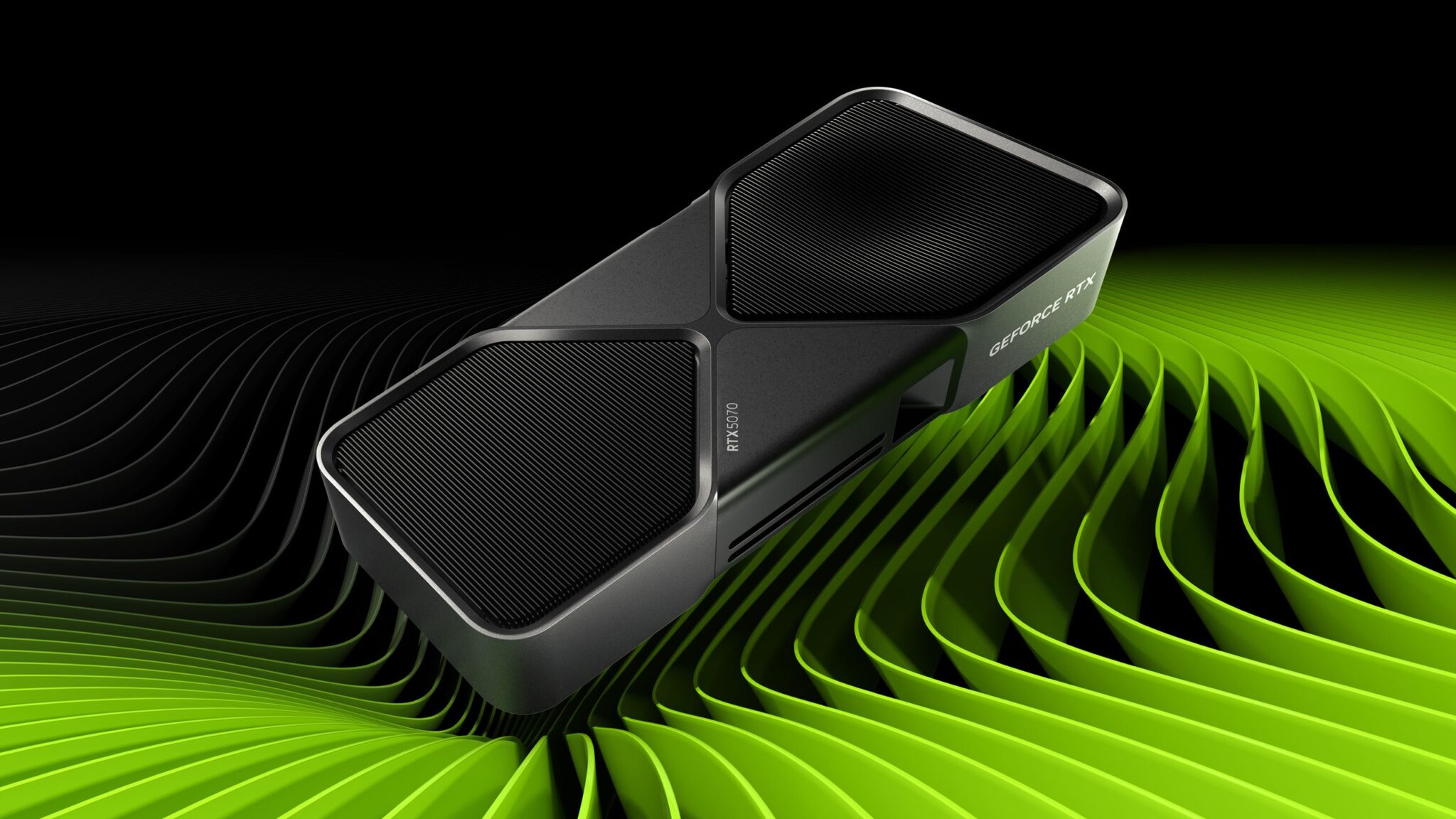
Nvidia GPU Shortages: What Gamers Need to Know
Recent warnings from Nvidia CEO Jensen Huang signal a challenging period for gamers. The company anticipates constrained supply of gaming GPUs for the next few quarters, potentially leading to higher prices and limited availability. This article breaks down the causes, impacts, and what you can do to navigate the situation.
Why Are PC Components in Short Supply?
Nvidia’s shift in production priorities is a key factor. The company is diverting wafer fabrication capacity from gaming GPUs to data center AI GPUs, which generate higher profits. Additionally, memory shortages—specifically GDDR7 SGRAM—are compounding the issue. DRAM manufacturers are prioritizing HBM3E, a more complex and expensive memory type, over GDDR7.
Production Reallocation
- AI Demand: Data center GPUs are in high demand for AI workloads, pushing Nvidia to reallocate resources.
- Memory Constraints: GDDR7 shortages are limiting GPU production, as manufacturers struggle to secure enough memory for gaming cards.
Market Dynamics
Despite supply challenges, demand for Nvidia’s GeForce RTX 50-series GPUs remains strong. In 2025, Nvidia shipped 30.4 million desktop GPUs in the first three quarters alone—surpassing 2024’s total. However, this surge in demand is outpacing supply, creating a perfect storm for price hikes.
Impact on Gamers and the Market
The shortage isn’t just a temporary hiccup. Huang’s statement that “it is going to be very tight for a couple of quarters” suggests prolonged scarcity. Here’s what to expect:
Higher Prices
With limited supply and robust demand, GPU prices are likely to stay elevated. Retailers may also restrict purchases to prevent scalping, making it harder for average gamers to secure a deal.
Choice Limitations
Popular models like the RTX 5090 and 5080 may become rare, forcing gamers to settle for older or less powerful alternatives. Laptop GPU availability could also decline, given the parallel production challenges for mobile GPUs.
What Can Gamers Do?
While the situation is beyond individual control, proactive steps can help:
- Monitor Sales: Set alerts for restocks and prioritize retailers with fair purchase limits.
- Consider Alternatives: AMD’s Radeon lineup, though struggling with its own supply issues, may offer more competitive pricing in some cases.
- Wait Strategically: If you can delay upgrading, the market may stabilize by late 2026 as production ramps up.
FAQs About PC Components and GPU Shortages
1. Will PC Components Become Cheaper in 2026?
Unlikely in the short term. Nvidia’s supply constraints and memory shortages suggest prices will remain high for at least the next two quarters.
2. How Long Will the GPU Shortage Last?
Nvidia’s CEO estimates “a couple of quarters” of tight supply. This could extend into late 2026, depending on production adjustments and memory availability.
3. Are AMD GPUs a Better Option Now?
AMD’s Radeon cards face their own supply challenges, but they may offer better value in some price ranges. However, Nvidia’s RTX 50-series still leads in performance for gaming and AI tasks.
4. Can I Buy a Used GPU Instead?
Used markets may have stock, but be cautious of inflated prices and potential reliability issues with older hardware.
5. What If I Can’t Afford a New GPU?
Optimize your current setup with software tweaks or consider cloud gaming services as a temporary workaround.
Stay Informed and Prepared
The GPU shortage is a complex issue with no quick fix. By understanding the root causes and planning strategically, you can make the most of the current market. Keep an eye on Nvidia’s production updates and consider joining our newsletter for real-time insights on PC components and hardware trends.