Nvidia H200 Chips: Manufacturing Restarted for China Shipments
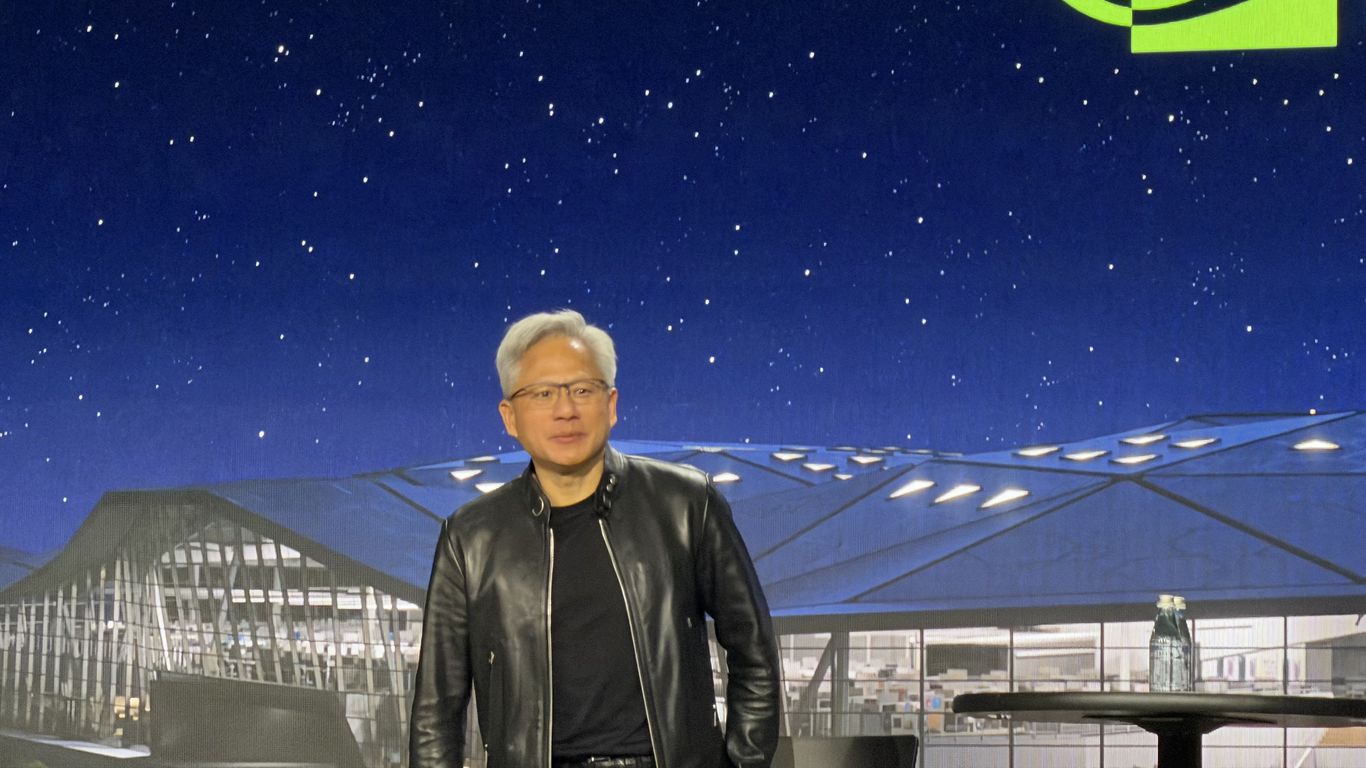
Jensen Huang, CEO of Nvidia, has confirmed the company is restarting production of its H200 AI chips, with shipments to China now in the works. This move comes after a strategic pause to refine manufacturing processes and meet growing demand from global customers. The H200, a high-performance GPU designed for AI and data center workloads, is central to Nvidia’s strategy in the AI semiconductor market.
Why the H200 Chip Matters for AI and Tech
The H200 chip represents a significant leap in AI processing power. Built on advanced manufacturing techniques, it delivers faster compute speeds and improved energy efficiency compared to its predecessor, the H100. For companies relying on AI for tasks like machine learning, autonomous systems, and cloud computing, the H200 offers a competitive edge.
Key Features of the H200 Chip
- Enhanced tensor core performance for AI training
- Support for next-gen data center architectures
- Optimized for hybrid AI and high-performance computing (HPC) workloads
China’s Role in the H200 Supply Chain
China remains a critical market for Nvidia, with demand for AI hardware surging across industries. The resumption of H200 shipments aligns with China’s push to develop its AI infrastructure. However, the move also highlights the complex interplay of global semiconductor policies and export controls.
Challenges and Opportunities
While China’s appetite for cutting-edge AI chips is strong, Nvidia must navigate regulatory hurdles. The U.S. government’s export restrictions on advanced semiconductors to China have forced companies to balance compliance with market access. For Nvidia, the H200 restart signals confidence in its ability to meet these challenges while maintaining profitability.
Impact on the AI Industry
The H200’s return to production will ripple across the tech ecosystem. Cloud providers, AI startups, and enterprise clients will benefit from increased availability of high-performance hardware. This could accelerate AI adoption in sectors like healthcare, finance, and autonomous vehicles.
What This Means for Tech Companies
- Cloud Providers: Access to H200 chips will enhance AI-as-a-Service offerings.
- Enterprises: Faster AI processing will reduce time-to-insight for data-driven decisions.
- Startups: Affordable access to high-end GPUs could lower barriers to innovation.
Looking Ahead: What’s Next for Nvidia?
Nvidia’s focus on the H200 is part of a broader strategy to dominate the AI chip market. With competitors like AMD and Intel also investing heavily in AI hardware, the race for semiconductor supremacy is intensifying. For now, the H200’s restart underscores Nvidia’s position as a leader in shaping the future of AI.
Stay tuned for updates on how the H200 chip will influence global AI trends and semiconductor manufacturing.