Nvidia Unveils Vera Rubin AI Platform: A Game-Changer for Next-Gen Data Centers
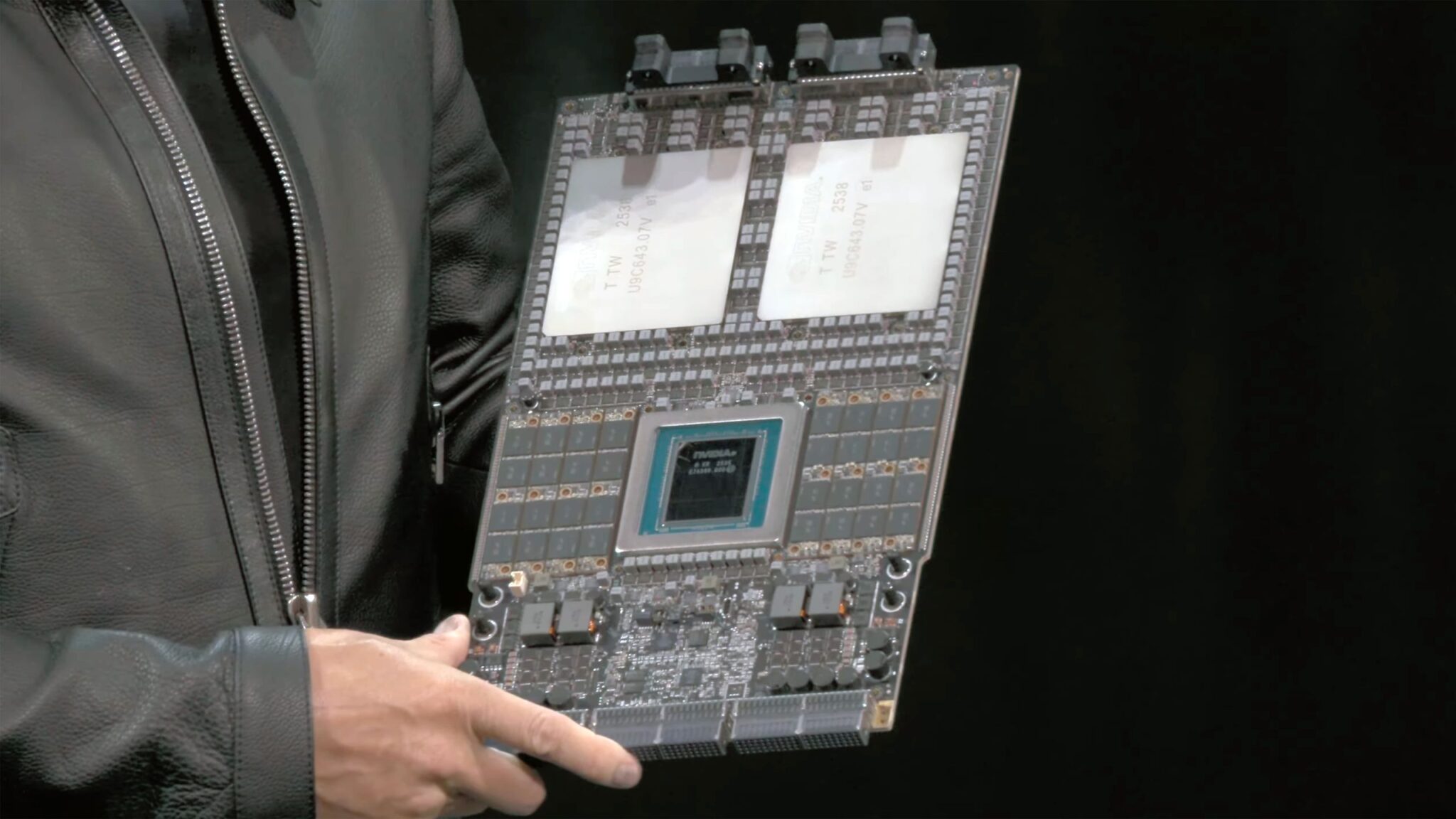
Artificial intelligence is evolving at breakneck speed, and Nvidia is leading the charge with its latest innovation: the Vera Rubin AI platform. This next-generation architecture, designed for AI data centers, promises to redefine computing power, scalability, and efficiency. With 88-core Vera CPUs, Rubin GPUs equipped with 288 GB of HBM4 memory, and cutting-edge connectivity solutions, the platform is set to revolutionize how enterprises and cloud providers handle AI workloads.
Key Features of the Vera Rubin AI Platform
The Vera Rubin platform is a comprehensive ecosystem tailored for AI data centers. Its standout components include:
- 88-core Vera CPU: A high-performance processor optimized for parallel computing tasks.
- Rubin GPU: 288 GB of HBM4 memory ensures seamless handling of massive datasets.
- BlueField-4 DPU: Integrated SSD storage for key-value caching, enhancing data retrieval speeds.
- Photonics Connectivity: Spectrum-X Ethernet and Quantum-CX9 InfiniBand deliver ultra-fast interconnects.
Modular Design for Scalability
Nvidia’s modular, cable-free tray design simplifies deployment and maintenance. This approach reduces downtime and improves serviceability compared to previous architectures like Blackwell. Partners such as Foxconn, Quanta, and Supermicro will receive pre-assembled Level-10 VR200 compute trays, streamlining integration into existing infrastructure.
Partnerships Driving Adoption
Nvidia is collaborating with leading hardware manufacturers to ensure the Vera Rubin platform reaches the market efficiently. These partnerships are critical for scaling production and meeting the growing demand for AI-capable infrastructure. By providing fully assembled compute trays, Nvidia minimizes the design workload for its partners, accelerating time-to-market.
Industry Impact
Cloud model builders and hyperscalers are expected to adopt the Vera Rubin platform en masse. Its advanced NVLink 6.0 switch ASIC and 1.6 Tb/s Photonics InfiniBand NICs enable seamless scale-up and scale-out connectivity, making it ideal for large-scale AI training and inference tasks.
Deployment Timeline and Market Readiness
Nvidia has already begun shipping samples of the Vera Rubin platform to select customers. While full production is slated for the second half of 2026, early adopters are preparing their software and hardware stacks to align with the new architecture. The company remains confident in its timeline, with some deployments potentially starting in early 2027.
Competitive Edge
By freezing performance and power specifications early, Nvidia is positioning itself to maintain leadership in the AI hardware market. Rumors suggest the company may have boosted GPU performance to counter competition from AMD’s Instinct AI accelerators, ensuring its dominance in hyperscaler contracts.
Why the Vera Rubin Platform Matters for Artificial Intelligence
The Vera Rubin platform addresses critical pain points in AI development: memory bandwidth, interconnect speed, and system resiliency. Its 288 GB HBM4 memory allows for larger model training, while the BlueField-4 DPU optimizes data caching. These advancements will empower enterprises to tackle complex AI challenges with unprecedented efficiency.
Future-Proofing AI Infrastructure
As AI models grow in complexity, infrastructure must evolve to keep pace. The Vera Rubin platform’s modular design and photonics-based connectivity ensure it remains adaptable to future demands. This forward-thinking approach positions Nvidia as a key player in shaping the next decade of AI innovation.
Conclusion: Embrace the Future of AI Computing
Nvidia’s Vera Rubin platform is more than a hardware upgrade—it’s a paradigm shift in AI data center design. By combining cutting-edge components with strategic partnerships, the company is setting a new standard for performance and scalability. For organizations investing in artificial intelligence, now is the time to explore how this platform can future-proof their operations.
Call to Action: Stay ahead of the curve by subscribing to our newsletter for updates on AI hardware trends and innovations. Let’s build the future of computing together!
FAQs
1. How does the Vera Rubin platform enhance artificial intelligence computing?
The platform’s 288 GB HBM4 memory and advanced interconnects enable faster data processing and larger model training, accelerating AI development.
2. When will the Vera Rubin platform be available for purchase?
Full production shipments are expected in late 2026, with some deployments starting in early 2027.
3. Which companies are collaborating with Nvidia on the Vera Rubin platform?
Partners include Foxconn, Quanta, Supermicro, and Wistron, who will integrate the platform into their AI servers.
4. What makes the Vera Rubin platform more efficient than previous architectures?
Its modular, cable-free design reduces maintenance complexity, while photonics-based connectivity improves speed and scalability.
5. How will the Vera Rubin platform impact cloud AI model builders?
By providing pre-assembled compute trays and optimized hardware, the platform lowers integration barriers, enabling faster deployment of AI infrastructure.