
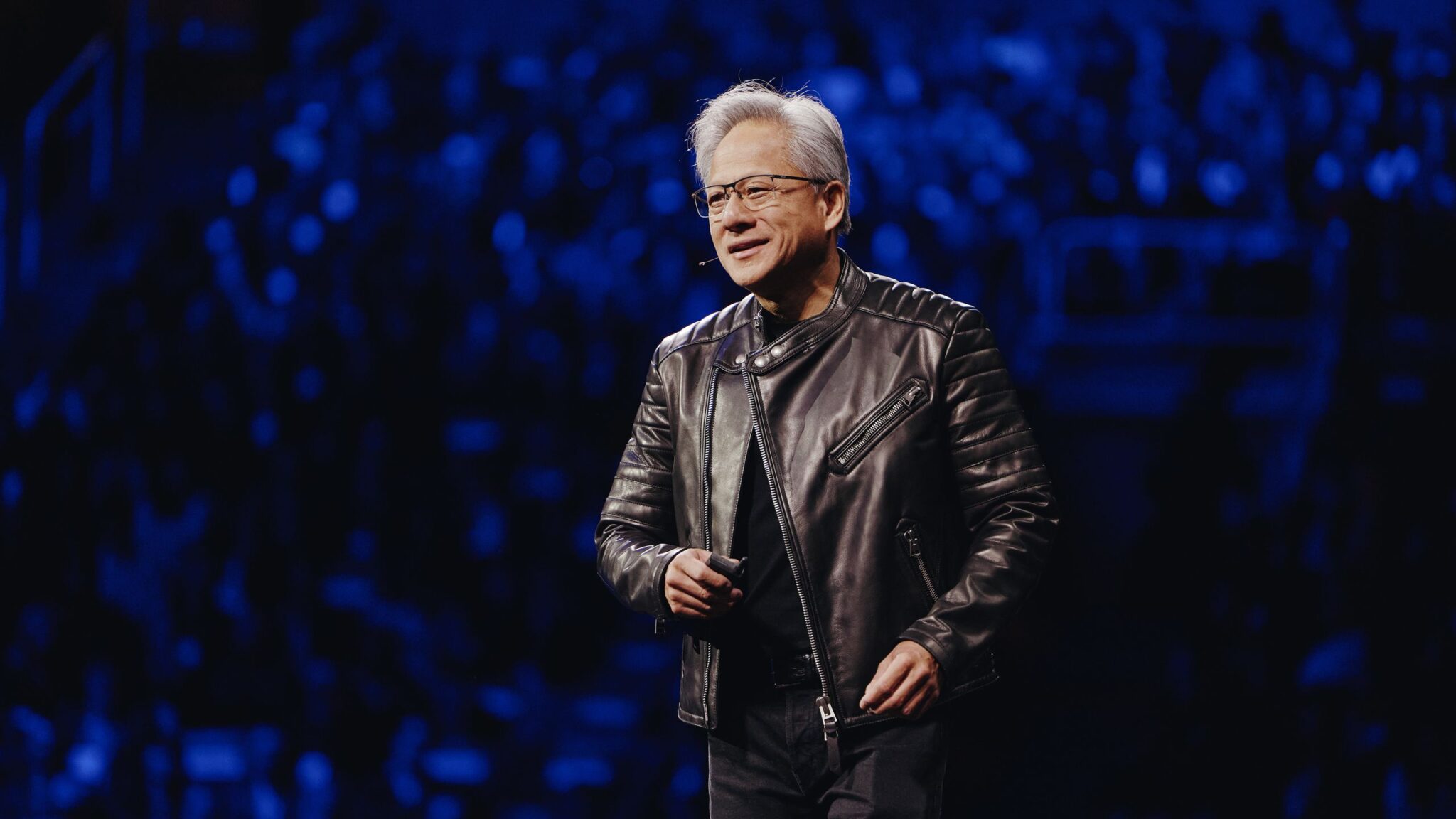
Introduction to Nvidia Vera Rubin AI Chips
Nvidia has begun shipping its Vera Rubin AI chips, marking a significant leap in AI infrastructure. These chips integrate advanced CPU and GPU architectures to tackle the demanding computational needs of modern AI workloads. With high-memory GPUs, specialized CPUs, and fast interconnects, Vera Rubin aims to reduce bottlenecks during training and inference, supporting large generative AI models.
Architecture and Key Features
Unified System Design
The Vera Rubin platform combines CPU, GPU, memory, and networking into a single system. This unified approach ensures efficient handling of both training and inference tasks. Key components include:
- NVLink 6.0 switch ASICs for high-speed data transfer.
- BlueField-4 DPUs with integrated SSDs for enhanced storage performance.
- Photonics-based interconnects to accelerate large-scale computations.
Networking Capabilities
Vera Rubin leverages Spectrum-6 Photonics Ethernet and Quantum-CX9 InfiniBand NICs for scalable connectivity across data center racks. This ensures seamless communication between components, critical for high-performance AI environments.
Early Access and Deployment
Nvidia has delivered Vera Rubin chips to partners like Foxconn, Quanta, and Supermicro. These companies are testing data-intensive AI workloads using fully assembled NVL72 VR200 compute trays. Colette Kress, Nvidia’s CFO, emphasized the platform’s modular design, stating, “Rubin will deliver improved resiliency and serviceability relative to Blackwell.”
Real-World Applications
Autonomous Vehicles and Robotaxi Services
Vera Rubin’s processing density and memory bandwidth are pivotal for Nvidia’s Alpamayo platform and robotaxi initiatives. These applications rely on real-time analytics to deploy AI solutions effectively.
Data Center Integration
Data centers using Vera Rubin will serve as testbeds for major AI applications. Companies like OpenAI and Meta, already reliant on Nvidia’s chips, will benefit from the platform’s scalability and efficiency.
Challenges and Future Outlook
While Vera Rubin promises transformative potential, adoption faces hurdles. Analysts caution that financial complexities and geopolitical tensions—such as U.S. export restrictions—could limit global impact. However, successful integration in data centers may solidify Nvidia’s leadership in AI infrastructure.
Conclusion and Call to Action
Nvidia’s Vera Rubin AI chips represent a milestone in AI hardware. By unifying CPU, GPU, and networking, they enable faster, more efficient AI workloads. As partners optimize software stacks, the platform’s success will hinge on real-world performance. Stay ahead of the curve by exploring how Vera Rubin can enhance your AI projects. Subscribe to our newsletter for updates on AI advancements and tech trends.
FAQs
- What are the key features of Nvidia Vera Rubin AI chips? Vera Rubin integrates CPU, GPU, memory, and networking for unified performance, leveraging NVLink 6.0 and photonics-based interconnects.
- How does Vera Rubin improve AI workloads? By reducing bottlenecks and enhancing memory bandwidth, Vera Rubin accelerates training and inference for large AI models.
- Who are the early adopters of Vera Rubin? Partners like Foxconn, Quanta, and Supermicro are testing the platform in data centers.
- What challenges does Vera Rubin face? Geopolitical restrictions and financial complexities may hinder global adoption.
- How can businesses benefit from Vera Rubin? The platform enables real-time analytics and scalable AI solutions, ideal for autonomous vehicles and data centers.








