Nvidia’s Space Computing Breakthrough: The Future of Orbital AI
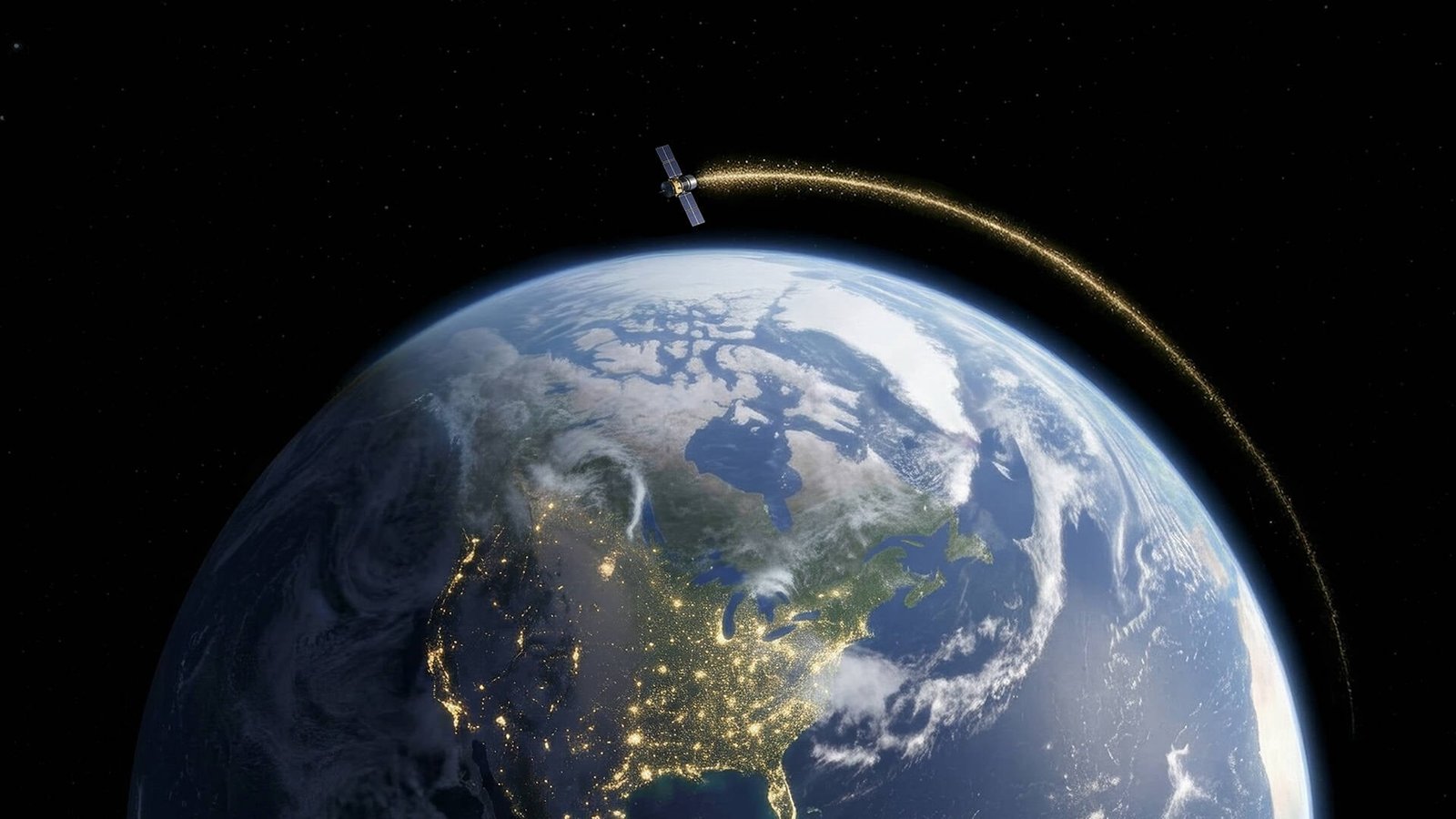
Imagine datacenters orbiting Earth, crunching AI workloads in the vacuum of space. Sounds like science fiction? Not for long. At Nvidia GTC 2026, CEO Jensen Huang unveiled the Space-1 Vera Rubin Module, a GPU designed to power AI in the harshest environments—space. This isn’t just tech for tech’s sake; it’s a bold move toward orbital datacenters and autonomous space operations.
Why Space Computing Matters
Space is the ultimate edge computing frontier. Satellites and orbital datacenters face extreme constraints: limited power, weight, and size. Traditional hardware can’t keep up. Nvidia’s new module delivers 25 times the AI compute of an H100 GPU, enabling real-time processing of geospatial data, autonomous spacecraft navigation, and more—all without relying on ground-based systems.
Key Applications
- Orbital Datacenters: Process sensor data from satellites directly in orbit, reducing latency and bandwidth costs.
- Autonomous Spacecraft: Enable AI-driven navigation and decision-making for deep-space missions.
- Geospatial Intelligence: Analyze Earth imagery in real time for disaster response, agriculture, and defense.
Nvidia’s Space-Ready Ecosystem
The Vera Rubin Module isn’t alone. Nvidia is building a full stack for space:
- IGX Thor: A rugged edge computing unit for spacecraft, handling sensor data locally.
- Jetson Orin: Compact AI module for onboard vision and navigation processing.
- RTX Pro 6000 Blackwell: Ground-based GPU partner for geospatial imaging systems.
Together, these tools create a seamless pipeline from orbit to Earth, optimizing performance and reducing reliance on fragile satellite-to-ground links.
Partnerships and the Space ‘Bubble’ Debate
Nvidia isn’t flying solo. Companies like Aetherflux, Axiom Space, and Planet are already using its tech for orbital missions. Aetherflux plans to launch its first datacenter satellite in Q1 2027. However, critics like Gartner’s Bill Ray warn of a “space datacenter bubble,” citing astronomical launch costs and technical hurdles like thermal management in vacuum conditions.
Is Space Computing Viable?
Huang isn’t deterred. He sees space as the next frontier for AI, even if economics aren’t perfect yet. “Intelligence must live wherever data is generated,” he declared at GTC. While skeptics argue it’s “peak insanity,” Nvidia is betting on readiness over profitability—for now.
What’s Next for Orbital AI?
The road ahead is rocky. Launch costs remain high, and space weather poses risks. Yet, the potential is undeniable. As Huang put it, “Space computing, the final frontier, has arrived.” Whether it’s a bubble or a revolution, one thing’s clear: AI in orbit is no longer a sci-fi dream.
Stay tuned for updates on Aetherflux’s satellite launches and Nvidia’s next-gen space modules. The stars are calling—and they want AI.